













By Isaac Akugizibwe,
OPINION
When Mikel Arteta stood before frustrated Arsenal supporters in 2020 and urged them to “trust the process,” the phrase quickly became a punchline. Rival fans mocked it, pundits questioned it, and even some Arsenal supporters doubted whether the Spaniard truly understood the magnitude of the task before him.
Six years later, the joke is no longer funny to the rest of the sporting World.
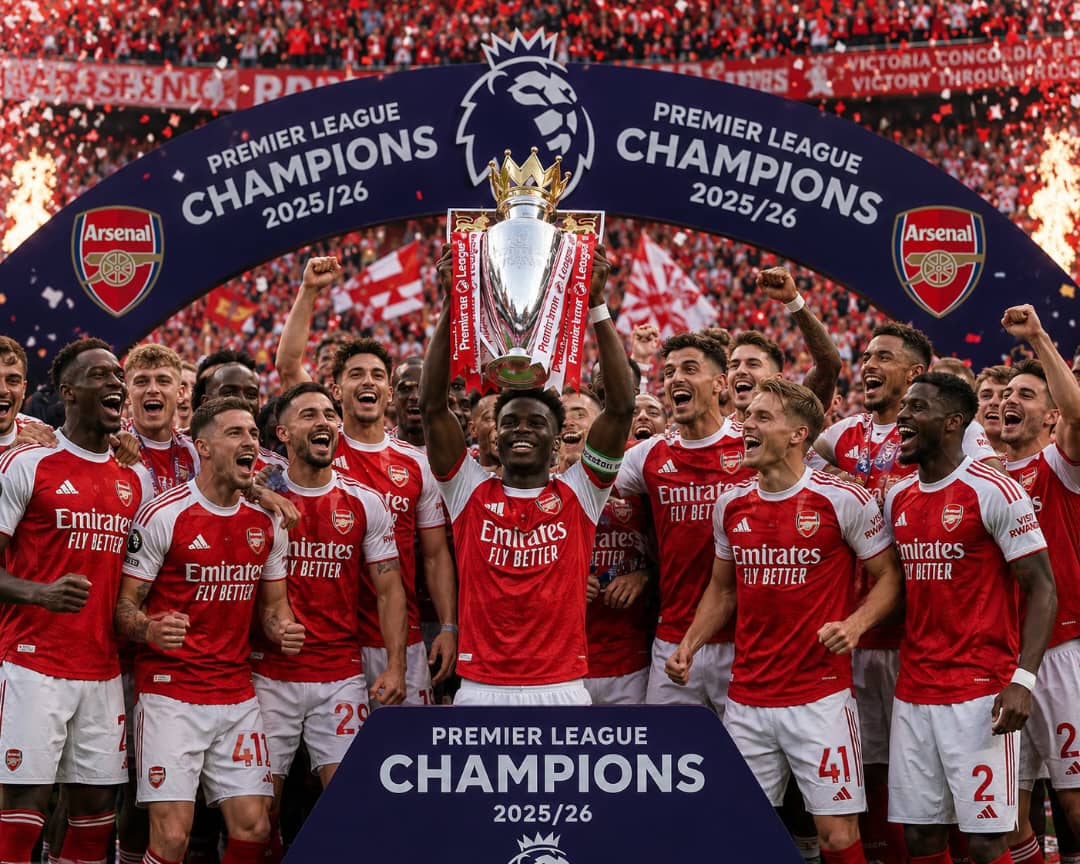
Arsenal are Premier League champions. This triumph is not the story of one miraculous season or a sudden rise to glory. It is the reward for patience, planning, suffering and unwavering belief in a long-term vision that many clubs rarely commit to in modern football.
When Arteta arrived at Arsenal on December 22, 2019, signing a three-and-a-half-year contract as head coach, the club was drifting. The standards had fallen, the dressing room lacked identity, and Arsenal looked miles away from competing with Europe’s elite. Behind the scenes, however, Arteta had a blueprint.
Though he never publicly revealed every detail of his long-term strategy, one objective was always clear: Arsenal had to become winners again.
Only months into his reign, he delivered the FA Cup, defeating Chelsea 2-1 in the 2020 final. It was Arsenal’s first sign of revival and perhaps the first indication that Arteta’s methods could work.
Soon after, Arsenal changed his title from head coach to manager, granting him greater authority over football operations and recruitment. That decision would prove transformative.
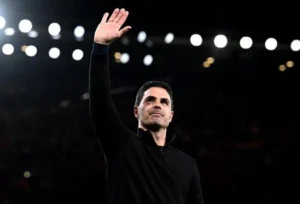
Arteta began a ruthless rebuild.
Big names and fan favourites such as Pierre-Emerick Aubameyang and Mesut Özil eventually departed as Arsenal shifted toward a younger, hungrier and more disciplined squad. In their place emerged a new core built around Bukayo Saka, Gabriel Martinelli and Martin Ødegaard, players who would grow into some of the finest talents in Europe.
Yet Arsenal’s greatest transformation may not have happened on the pitch.
It happened in the boardroom.
Working closely with former sporting director Edu, assistant Jason Ayto, technical director James Ellis and head of football intelligence Mark Curtis, Arsenal completely changed their recruitment philosophy. Instead of short-term fixes and expensive panic buys, the club targeted players who fit a clear tactical identity and long-term profile.
The results became evident.
Ben White, Aaron Ramsdale, Gabriel Jesus, Oleksandr Zinchenko and Ødegaard arrived as part of a squad engineered not only to compete, but to endure.
By the 2022-23 season, Arsenal had reintroduced themselves as genuine title challengers. They won 22 of their opening 27 matches across all competitions and pushed Manchester City harder than anyone expected.
Saka and Ødegaard blossomed into elite attacking forces, while the Emirates Stadium rediscovered the energy and belief that had disappeared for years.
But Arsenal fell short.
The injury to William Saliba exposed the lack of depth in key areas, and City’s relentless experience ultimately overwhelmed them. Arsenal finished second.
Again, instead of panicking, Arsenal doubled down.
In 2023, they shattered their transfer record to sign Declan Rice from West Ham United for £100 million. Kai Havertz arrived from Chelsea, while Jurriën Timber added further quality and versatility. The message was unmistakable: Arsenal were no longer content with merely returning to the Champions League. They wanted to dominate.
That same season, psychological barriers began to crumble. Arsenal beat Manchester United, won at Old Trafford for the first time in 14 years and defeated Chelsea at Stamford Bridge after a decade-long wait.
The fear was gone.
Still, the title slipped away once more.
Despite losing only one league match in the second half of the 2023-24 campaign, Arsenal again finished second. The accusations intensified. Rival fans labeled them “bottlers.” Social media ridicule became relentless.

Then came another painful near-miss in 2025, this time behind Liverpool.
For many clubs, repeated heartbreak would have triggered collapse. Managers would have been sacked. Projects abandoned. Arsenal stayed the course.
And that is why this title matters so much.
This season was built differently. Arsenal strengthened with purpose, adding depth, physicality and balance through signings such as Eberechi Eze, Viktor Gyökeres, Martín Zubimendi, Piero Hincapié and Christian Nørgaard. Every addition addressed a weakness. Every decision reflected years of learning from previous failures.
Most importantly, Arsenal matured mentally. They learned how to survive pressure, injuries and expectation. They stopped looking like hopeful challengers and started behaving like champions.
This title is not simply about trophies. It is about endurance. It belongs to the fans who kept showing up despite years of disappointment. To the players who developed under intense scrutiny. To a manager who stubbornly believed in a vision when almost nobody else did.
Some supporters lost faith along the way. Some walked away entirely. Others stayed, endured the ridicule and continued believing.
Now, they finally have their reward.
So, allow them to celebrate. It has been a while. 22 years!