










By Leticia Ahiriirwe,
Op_Ed
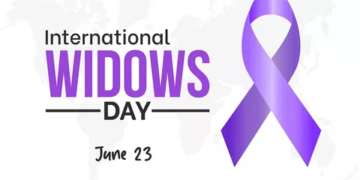
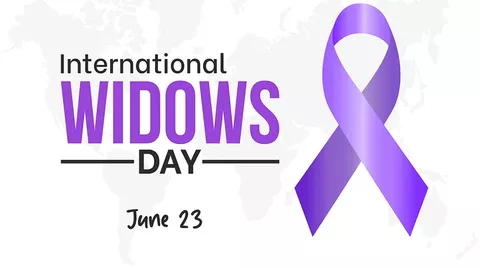
Every year on 23 June, the world commemorates International Widows’ Day, a day dedicated to recognizing the challenges faced by millions of widows globally. While many people use this day to offer condolences and sympathy, widows need more than kind words, they need empowerment, inclusion, and opportunities to rebuild their lives with dignity.
In many communities, widowhood marks the beginning of a difficult journey. The loss of a spouse often comes with emotional pain, economic hardship, social isolation, and increased responsibilities. Many widows become sole providers for their families overnight, yet they often lack access to land, inheritance, credit, education, and employment opportunities. In some cultures, harmful stereotypes and discriminatory practices further marginalize them, leaving them vulnerable to poverty and exploitation.
As someone who works closely with grassroots communities, I have witnessed the resilience of women who continue to provide for their families despite overwhelming challenges. Given the right support, widows are not merely survivors, they are entrepreneurs, farmers, caregivers, community leaders, and agents of change.
Empowering widows requires deliberate action. Governments must strengthen policies that protect widows’ rights to property, inheritance, and social protection. Financial institutions should create accessible and affordable credit facilities tailored to vulnerable women. Civil society organizations and development partners should invest in skills development, entrepreneurship training, and climate-resilient livelihood opportunities that enable widows to achieve economic independence.
Equally important is the need to challenge societal attitudes that view widows through the lens of pity. Widowhood should not define a woman’s worth or limit her potential. Communities must create safe and supportive environments where widows can participate fully in decision-making processes and development initiatives.
At the Women for Green Economy Movement Uganda, we recognize that empowering widows is not an act of charity, it is an investment in stronger families, resilient communities, and sustainable development. When widows are equipped with knowledge, resources, and opportunities, they contribute significantly to local economies and community well-being.
As we commemorate International Widows’ Day, let us move beyond sympathy and commit to meaningful action. Let us amplify widows’ voices, protect their rights, and create pathways for economic and social empowerment. A society that uplifts its most vulnerable members is a society that truly progresses.
The future of widows should not be defined by loss, but by opportunity, dignity, and hope.