













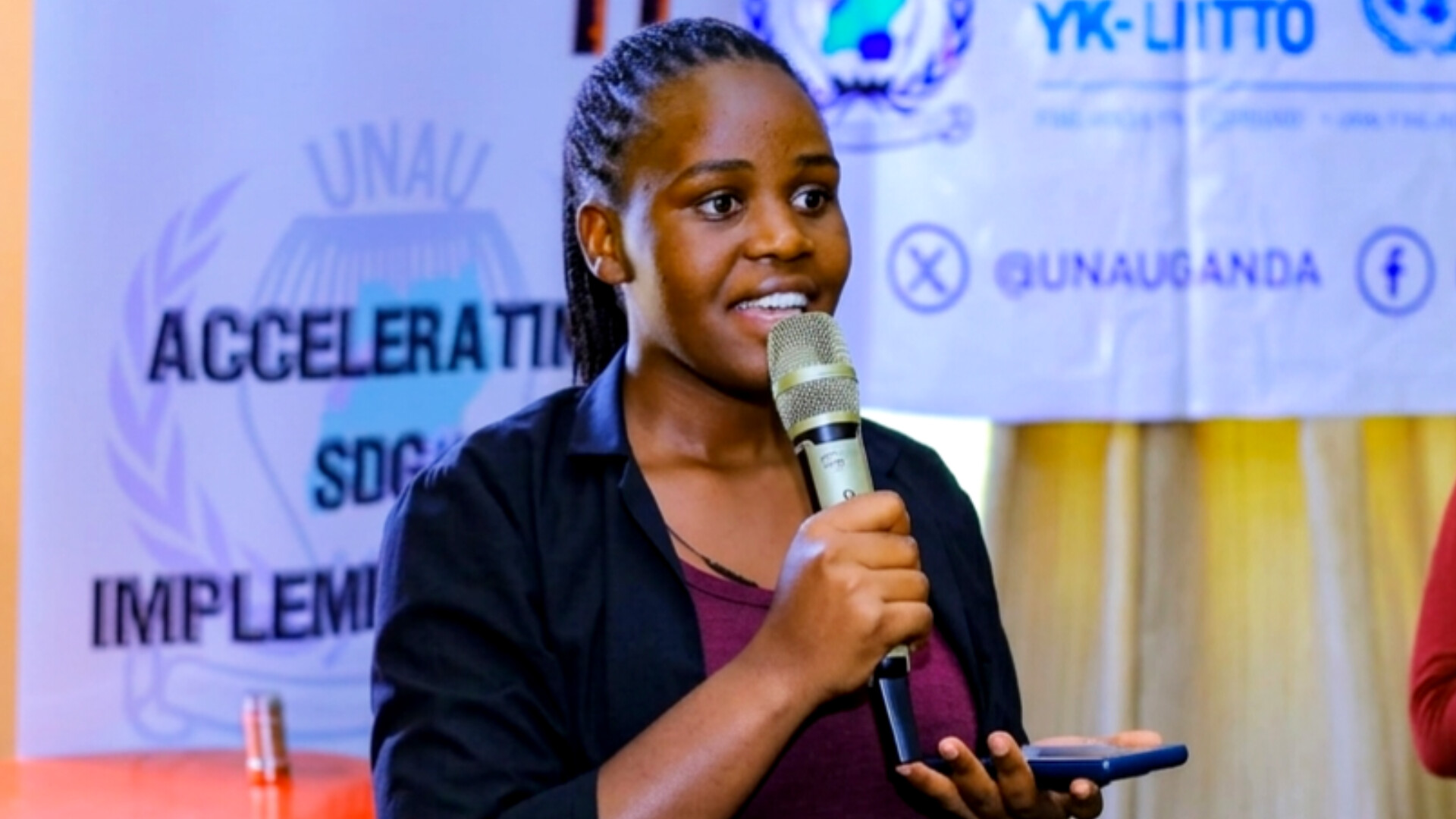
By Shallon Nagasha
Op_Ed
Climate change is no longer a distant threat -it is a lived reality .A cross Uganda and many parts of Africa ,communities are grappling with prolonged droughts ,destructive floods ,declining agricultural productivity ,biodiversity loss and increasing food insecurity .Women ,young people ,indigenous communities and other marginalized groups continue to bear the greatest burden despite contributing the least to global greenhouse gas emissions .
Over the past decades, global community has made significant commitments to climate finance. International climate conferences have repeatedly reaffirmed the need to mobilize billions of dollars annually to help developing countries adapt to climate change, transition to clean energy and build resilience. Yet for many local communities, these commitments remain little more than promises on paper. The gap between international pledges and real action on the ground continues to widen.
Climate finance should not be measured by the size of announcements made at global summits, but by the number of communities whose lives are transformed through practical investments. The true success of climate finance lies in restored ecosystems, resilient farmers, women-led enterprises powered by renewable energy, protected forests, improved water security and stronger local institutions capable of responding to climate shocks.
One of the greatest challenges is accessibility. Many local governments, civil society, organizations, women’s groups and community -based organizations lack the technical capacity or financial resources to navigate the complex application processes required by international climate funds. Lengthy procedures, rigid eligibility criteria and bureaucratic reporting requirements often exclude the very people who understand local climate challenges best. As a result, significant portions of climate finance are absorbed by intermediaries before reaching frontline communities.
We Need Funding That Moves Beyond Commitments to Implementation: Funding That Is Accessible, Accountable and Aligned with Local priorities, Shallon Nagasha.
This reality calls for a fundamental shift in the design and delivery of climate finance. Funding mechanisms must be simplified and intentionally designed to reach local actors directly. Community organizations, women -led initiatives, youth groups, indigenous peoples and grassroots movements should not merely be beneficiaries; they should become trusted partners in designing, implementing and monitoring climate solutions.
Equally important is accountability .Climate Finance must be transparent from commitment to implementation .Citizens have a right to know how much funding has been pledged ,where it is allocated ,who receives it, and what impact it achieves .Governments ,development partners ,financial institutions and implementing agencies should establish robust systems that enable public oversight ,regular reporting and independent monitoring .Transparency builds trust ,improves efficiency and ensures that resources reach their intended beneficiaries rather than being lost through inefficiency or corruption .
Funding must also align with local priorities instead of externally determined agendas. Communities understand their environmental realities better than anyone else. Their priorities may include restoring degraded wetlands, promoting agroecology, expanding access to clean cooking technologies, investing in climate-smart agriculture, strengthening water harvesting systems, protecting forests or supporting renewable energy solutions. Climate finance should respond to these locally identified needs rather than imposing one-size -fits -all interventions.
For women ,equitable climate finance is particularly important .Across rural Uganda ,women are responsible for food production ,water collection ,household energy management and natural resource stewardship .Yet they continue to face barriers in accessing land ownership ,financial services ,technology and decision -making opportunities .Investing directly in women-led climate initiatives not only advances gender equality but also produces stronger environmental and economic outcomes. Numerous studies have shown that when women are empowered with resources and leadership opportunities, communities become more resilient to climate change .
Climate finance must therefore embrace gender responsive budgeting and financing. This means ensuring that women participate meaningfully in climate planning, receive equitable access to financial resources and benefit from investments in renewable energy, sustainable agriculture, conservation and green entrepreneurship. Gender equality should not be treated as a secondary objective but as a central pillar of climate action.
Uganda also has an important role to play. National climate finance strategies should prioritize decentralization so that districts and local governments have greater access to resources for adaptation and resilience -building. Strengthening public financial management, improving coordination among government agencies and increasing investments both effectiveness and public confidence.
Development partners must equally recognize that successful climate action requires long-term partnerships rather than short-term projects. Flexible, predictable and sustained financing enables communities to plan beyond annual funding cycles and invest in lasting solutions that generate environmental, social and economic benefits.
As the world approaches critical climate milestones, there is an urgent need to redefine what climate finance truly means. It should no longer be viewed simply as money transferred from one institution to another. Instead, it should be understood as an investment in people, ecosystems, justice and sustainable development.
The climate crisis demands more than ambitious declarations. It requires financial systems that empower those on the frontlines, strengthen local institutions and deliver measurable results where they matter most. Communities cannot adapt to climate change with promises alone.
The time has come beyond commitments to implementation. We need climate finance that is accessible to local actors, accountable to the public and firmly aligned with community priorities. Only then can climate finance fulfill its true purpose: creating resilient communities, protecting our environment and securing a sustainable future for generations to come.