












By Ainembabazi Shallon
Op_Ed
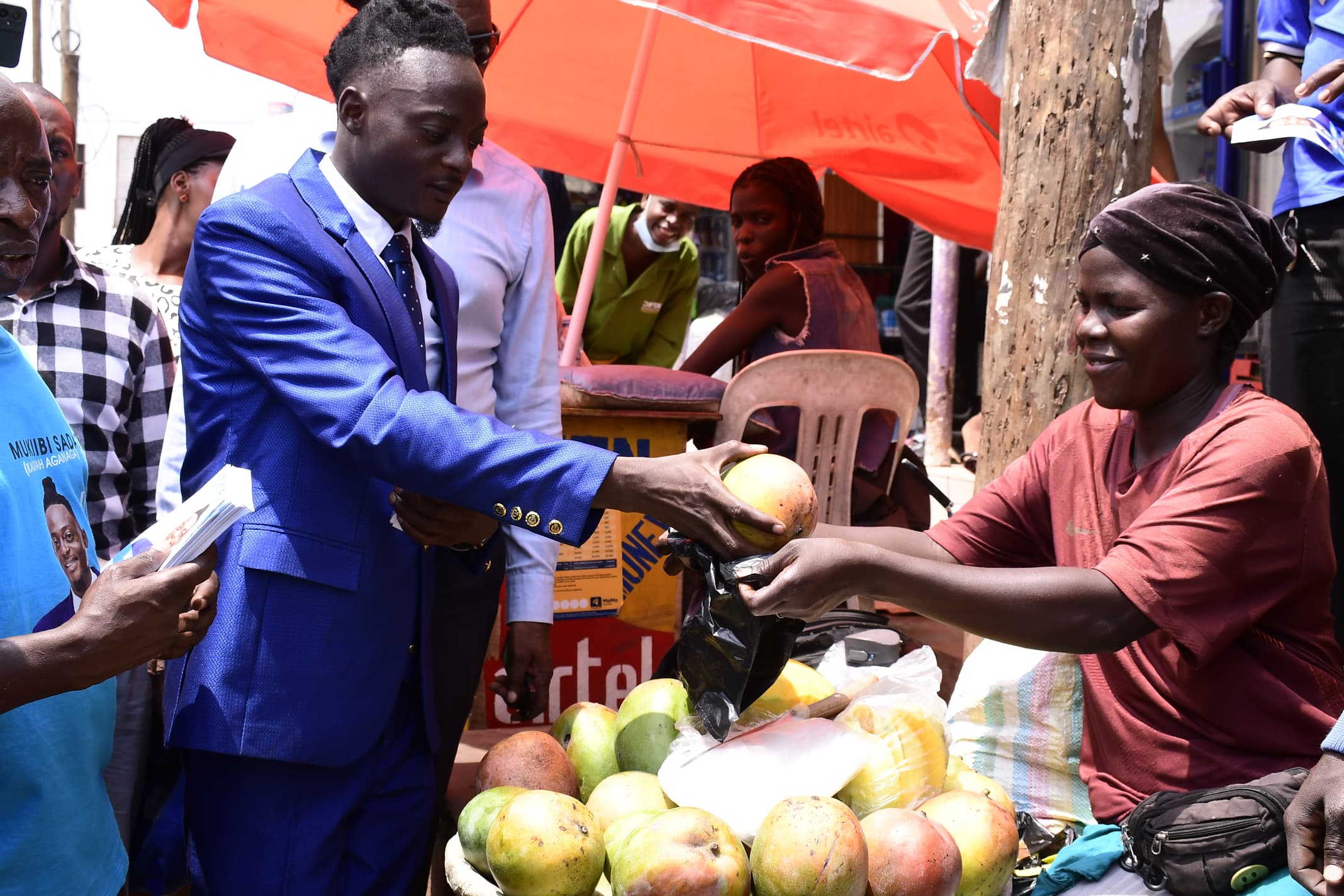
For millions of Ugandans, the most worrying economic story is no longer found in a government report it is seen in the market, in the family kitchen and in the shrinking shopping basket. Money that once bought enough food for a family now buys less. A farmer who once expected a good harvest is increasingly unsure whether the rains will come on time. A mother standing in the market, checking the prices of maize flour, beans, vegetables and cooking oil, may have to decide what her family can do without.
Food prices are putting pressure on Ugandan families and reducing the value of their incomes. But behind this problem is another growing challenge climate change is making it harder to produce and supply food. When drought destroys crops, floods wash away gardens and rainfall becomes unpredictable the effects do not remain on the farm. They move through the food chain and eventually reach consumers in the form of higher prices.
Uganda depends heavily on agriculture where millions of people earn their living directly or indirectly from farming, food trade, transport and processing. When farmers lose their crops, they lose both food and income. They may struggle to pay school fees, buy seeds for the next season or meet medical costs but when many farmers face losses at the same time food supplies can fall and prices can rise.
Weather changes are making farming more difficult in a way that rain will come late after farmers have prepared their gardens or it can stop for weeks when crops need water. Heavy rainfall have also caused floods that destroy crops, roads and bridges. These problems have made it difficult for farmers to take their produce to markets.
The burden is especially heavy on low-income families. Such families already spend a large part of their income on food. When prices rise, they may reduce the number of meals they eat, buy less nutritious food or cut spending on education and healthcare. Children are often among those who suffer most because poor nutrition can affect their health, growth and ability to learn.
Farmers also need support in a way that they need better access to weather information, irrigation, water harvesting, improved seeds, agricultural advice and affordable loans. Depending almost entirely on rainfall is becoming increasingly risky. Helping farmers prepare for changing weather will protect both their incomes and the country’s food supply.
Uganda also needs to reduce the amount of food lost after harvest. Poor storage, bad roads and limited processing facilities cause farmers to lose valuable produce before it reaches consumers. Improving rural roads, storage facilities and markets will help farmers get better prices while making food supplies more reliable.
It is important to note that climate related shocks such as drought ,flooding has increased food prices. Transport costs, the cost of farm inputs, market systems and other economic factors also affect what consumers pay.
Uganda therefore needs to treat food security and climate change as connected issues. Climate action is not only about protecting forests and the environment. It is also about protecting farmers, jobs, household incomes and the food on people’s tables.
The shrinking shopping basket should be a warning. If Uganda wants a secure future, it must invest in farming systems that can withstand difficult weather while ensuring that food remains available and affordable.
The question is no longer simply how much food Uganda can produce. The bigger question is whether ordinary Ugandan families will be able to afford it.When food becomes too expensive, it is not only the shopping basket that shrinks but People’s opportunities, health and hopes for a better life can shrink with it.
The writer is a Programs Officer at
Women for Green Economy Movement (WOGEM) Uganda