








By Leonard Kamugisha Akida
NATIONAL
Copyright offenders in Uganda risk up to 10 years in prison or a fine of Sh50m following amendments to the copyright law aimed at strengthening protection of creative works and improving artists’ earnings.
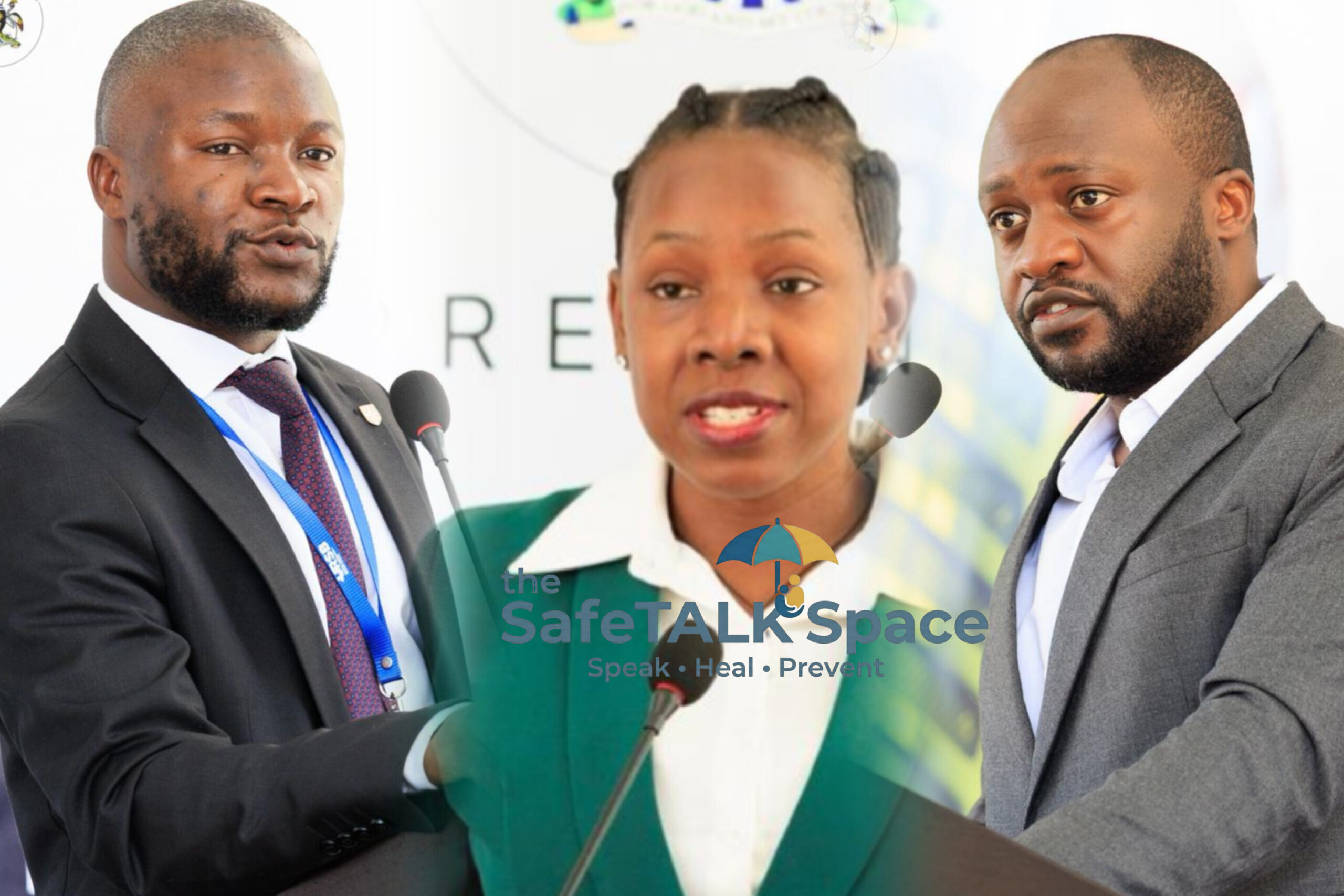
Miriam Nabatanzi, the commissioner for copyright and neighbouring rights at the Uganda Registration Services Bureau (URSB), said the amendments, passed in May 2026, introduced tougher penalties to deter infringement.
“You find imprisonment terms as long as 10 years and fines as high as Sh50m if you are found guilty by a court of law for infringing on someone’s copyright,” Nabatanzi said.
She was speaking during a media briefing at the Uganda Media Centre in Kampala on Wednesday ahead of the African Regional Intellectual Property Organisation (ARIPO) symposium on copyright and related rights management, scheduled for October 19-20 at Speke Resort Munyonyo.
Nabatanzi said the reforms also domesticated five international copyright treaties, extending protection to Ugandan creative works in countries party to the agreements.
She said the changes would enable musicians, filmmakers, authors and photographers to earn royalties from the use of their works abroad.
The law also provides for reciprocal protection of foreign creative works in Uganda, dismissing the misconception that foreign music, films and books can be reproduced or broadcast without permission.
Nabatanzi added that the amendments introduced measures to improve equitable remuneration, including allocating creatives 60% of revenue generated from telephone caller ring-back tones.
The law also allows creators to reclaim copyright sold to another party after 20 years, protecting them against permanently losing valuable intellectual property for small payments.
Mustapher Ntale, the acting URSB registrar general, said copyright infringement and weak commercialisation mechanisms had prevented many creatives from earning sustainable incomes.
He said the symposium would bring together stakeholders to strengthen copyright administration, royalty management and enforcement.
“At least 20 countries from the African continent including the team leader of ARIPO have already confirmed their participation at the symposium,” Ntale said.
In addition, Martin Muhumuza, director of research in the Office of the Senior Presidential Advisor on Creatives, called for transparent royalty systems and digital technologies to track the commercial use of creative works.
He said protecting and commercialising creativity was essential to creating jobs and building a sustainable creative economy.