












KAMPALA
Uganda’s Works and Transport Minister, Fred Byamukama has expressed concerns to strengthen inland water transport safety, improve emergency response and equip boat operators with maritime survival skills amid reports of rising drowning deaths in the country.
Makerere University School of Public Health, reports that Uganda records at least 3,000 drowning deaths annually, translating into an average of nine deaths daily.
The findings have raised concerns over water safety in the East African country, but Byamukama says the government is stepping up efforts to strengthen the country’s maritime transport system one way of ensuring water safety as well as fostering regional trade.
“The Government of Uganda recognises the strategic importance of maritime transport in facilitating international trade, reducing the cost of doing business, creating employment and accelerating economic transformation,” he said.
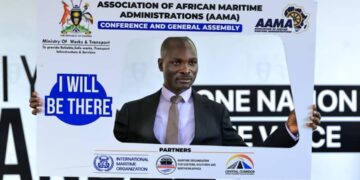
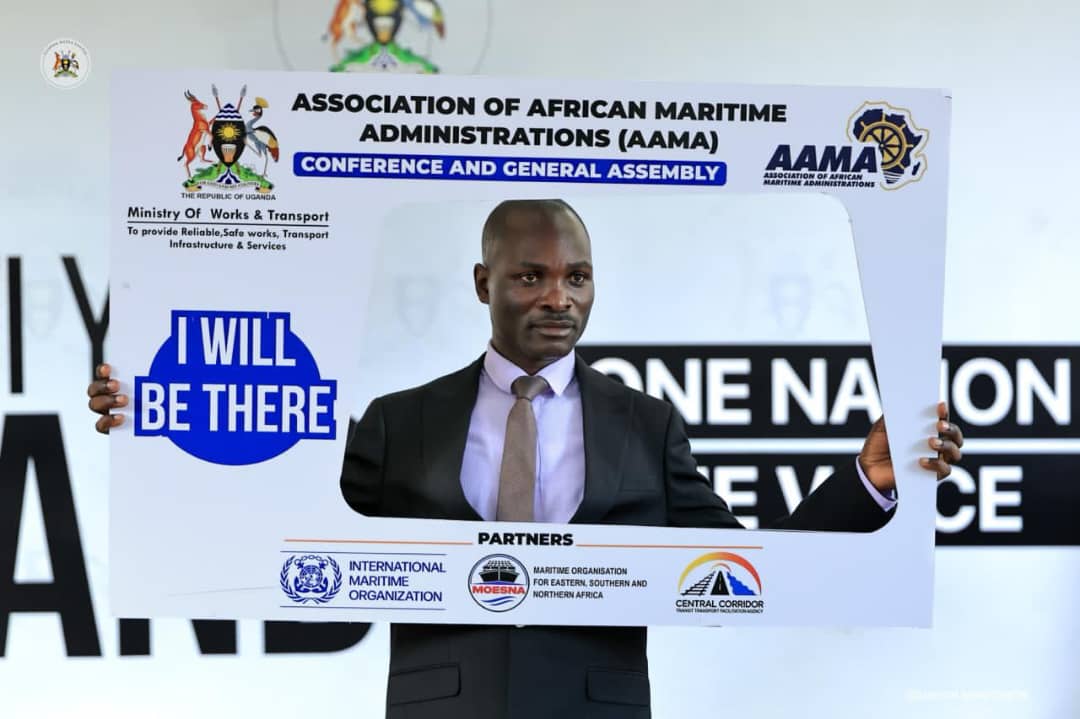
Byamukama made the remarks while outlining Government’s maritime sector priorities ahead of the ninth Association of African Maritime Administrations (AAMA) Annual Conference and General Assembly scheduled for November 17-19, 2026, at Speke Resort Munyonyo in Kampala.
The minister told journalists on Tuesday that Government had established five search and rescue centres strategically located across the country’s major water bodies, equipped with rescue boats and safety communication equipment.
The centres, according to the minister will be coordinated through a Maritime Rescue Coordination Centre in Entebbe to improve emergency response and coordination of rescue operations.
Government has also established a Maritime Survival Training Centre in Entebbe to equip local boat operators with essential safety knowledge and practical survival skills.
The minister said strengthening inland water transport safety and regulatory frameworks was among the key interventions aimed at protecting lives on Uganda’s waters.
“The development of an efficient, safe and competitive maritime transport system is fundamental to our national development aspirations, regional integration and participation in international trade,” he said.

He added that Government was expanding ferry connectivity to improve access for island and lakeside communities.
Besides the existing 13 ferries, two ferries have been commissioned in Buyende, Kaberamaido and Serere districts, while two others are under construction on Lake Bunyonyi.
However, the minister expressed worries about non-compliance on the waters such as wearing of life saving jackets, registration of private canoes and late night fishing something he says has significantly contributed to raising drowning cases in the country.
Additionally, Byamukama disclosed plans to establish a regional university to equip young people with the specialised skills and professional qualifications required to work aboard international vessels.
“Currently, Africa accounts for only 4% of the global sea workforce, which is an opportunity for Uganda to export skilled labour to the shipping industry, thus reducing unemployment levels for our people,” Byamukama explained.
The AAMA conference and General Assembly, to be held under the theme, From Policy to Practice: Advancing Africa’s Maritime Transformation through Effective Governance, Innovation and Sustainable Blue Economy, is expected to attract maritime administrators from across Africa and beyond, including International Maritime Organisation Secretary-General Arsenio Dominguez.
Byamukama said Uganda’s hosting of the conference would provide an opportunity to strengthen regional cooperation and translate continental maritime policies into practical interventions.
“This conference presents an opportunity for African maritime administrations and other stakeholders to deliberate on strategic issues affecting the maritime sector, strengthen regional cooperation and advance a common agenda for the sustainable development of Africa’s maritime industry,” Byamukama added.
He noted that efficient and safe maritime transport was critical to Uganda’s economic transformation, regional integration and participation in international trade.