









SEMBABULE
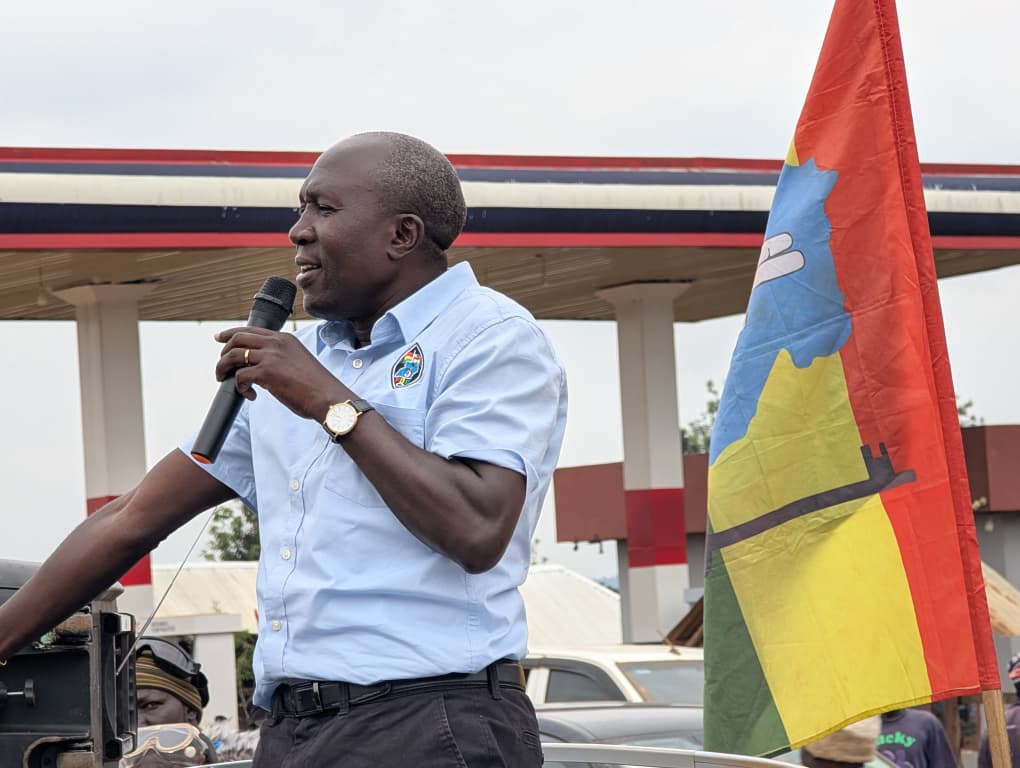
Forum for Democratic Change (FDC) presidential candidate Nathan Nandala Mafabi has challenged voters in Bukomansimbi and Sembabule districts to elect leaders who place citizens’ welfare at the centre of governance, saying the region has suffered years of neglect despite its support for the ruling party.
Addressing a rally at Misanvu Trading Centre in Kibinge Sub-county, Bukomansimbi District, Nandala criticised the Government over what he described as poor service delivery, pointing to dilapidated roads and a heavy tax burden on residents.
He said communities in the area continue to endure poor infrastructure and limited access to social services, yet remain among the most heavily taxed.
“The people here have been loyal, but they have little to show for it,” Nandala told supporters, arguing that public resources are being mismanaged while ordinary Ugandans struggle to meet basic needs.
The FDC flag bearer said a government under his leadership would prioritise the fight against corruption, which he said drains about Shs10 trillion from the economy annually. He argued that curbing corruption would create fiscal space to lower taxes and significantly improve public services.
“If the money lost to corruption every year was saved, taxes would come down and services such as health, education and infrastructure would improve,” he said.
Nandala pledged that his administration would invest in healthcare, education and road infrastructure, while creating jobs, boosting production and increasing citizens’ purchasing power to improve household incomes.
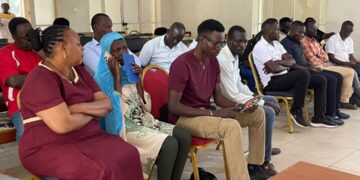
He later took his campaign to Sembabule District, where he reiterated his call for political change and urged voters to support him and other FDC candidates in the next elections.
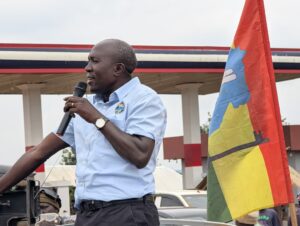
Nandala said Uganda needed leaders who understand the daily struggles of citizens and are committed to accountable governance.
“It is time to elect leaders who care about the people and are ready to serve,” he said, urging residents to use their vote to demand better governance and improved livelihoods.