








GLOBAL REPORT
WASHINGTON
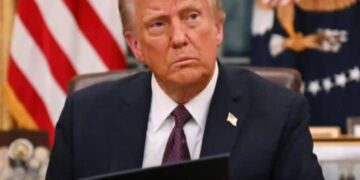
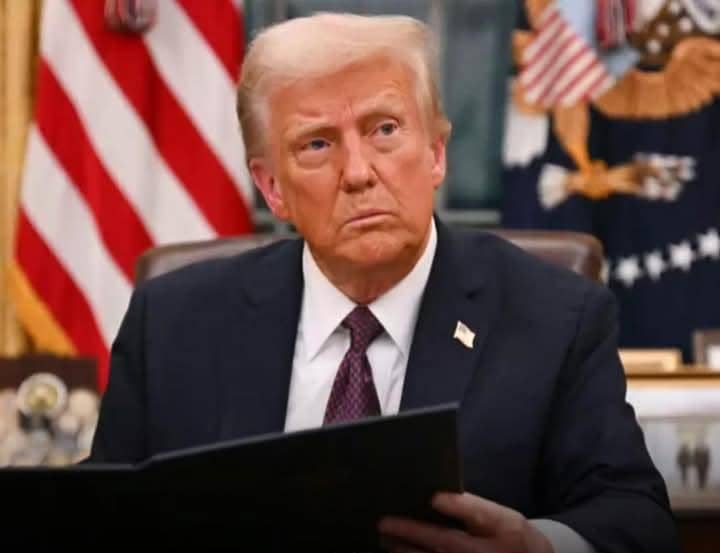
United States President Donald Trump has threatened the withdrawal of the US from 66 United Nations and international organisations, a move that will see Washington quit major global forums on climate change, democracy, peace and humanitarian affairs.
The US withdrawal from the WHO is scheduled to take effect on January 22, 2026, one year after it was ordered.
In a presidential memorandum released by the White House on Wednesday evening, Trump said the decision followed a review of organisations, conventions and treaties found to be “contrary to the interests of the United States”.
The directive will see the US cease participation and cut all funding to the affected bodies.
According to the list published by the White House, the withdrawal targets 35 non-UN organisations, including the Intergovernmental Panel on Climate Change (IPCC), the International Institute for Democracy and Electoral Assistance, and the International Union for Conservation of Nature.
Although classified as a non-UN body in the list, the IPCC operates under the UN system and brings together leading scientists to assess climate change evidence and provide scientific advice to policymakers.
The US is also set to pull out of 31 UN entities, among them the UN Framework Convention on Climate Change (UNFCCC), the UN Democracy Fund and the UN Population Fund (UNFPA), which focuses on maternal and child health.
Other affected UN offices include those working to protect vulnerable groups in conflict situations, such as the Office of the Special Representative of the Secretary-General for Children in Armed Conflict.
Reacting to the announcement, UN spokesperson Stéphane Dujarric said on Wednesday evening that the organisation expected to issue a formal response by Thursday morning.
Despite advocating reduced US involvement in multilateral institutions, Trump has continued to exert influence on international decision-making. In October last year, he threatened sanctions against diplomats who supported a levy on polluting shipping fuels, delaying its implementation for 12 months.
The Trump administration has also sanctioned UN special rapporteur Francesca Albanese following her report on the role of international and US companies in Israel’s war on Gaza.
During his first term, Trump threatened to cut aid to countries that supported a 2017 UN resolution condemning the US decision to recognise Jerusalem as Israel’s capital.
As a permanent member of the UN Security Council, the US retains veto power, which it has repeatedly used to block resolutions aimed at ending Israel’s war on Gaza, before helping to mediate a ceasefire late last year.
Since beginning his second term in January last year, Trump has already withdrawn the US from the World Health Organization (WHO), the Paris Climate Agreement and the UN Human Rights Council. Similar withdrawals during his first presidency were later reversed by former president Joe Biden.
The US withdrawal from the WHO is scheduled to take effect on January 22, 2026, one year after it was ordered.
Between 2024 and 2025, Washington contributed about $261m to the WHO, representing roughly 18% of the organisation’s funding.
The Trump administration has also maintained a US funding ban on the UN agency for Palestinian refugees, UNRWA, first imposed under the Biden administration.