













By Ahirirwe Leticia,
Op_Ed
The growing challenge of waste management has become one of the most pressing environmental issues of our time. As populations increase and consumption patterns change, the amount of waste generated by households, businesses, and industries continues to rise. Without proper management, waste poses serious threats to human health, ecosystems, and efforts to address climate change.
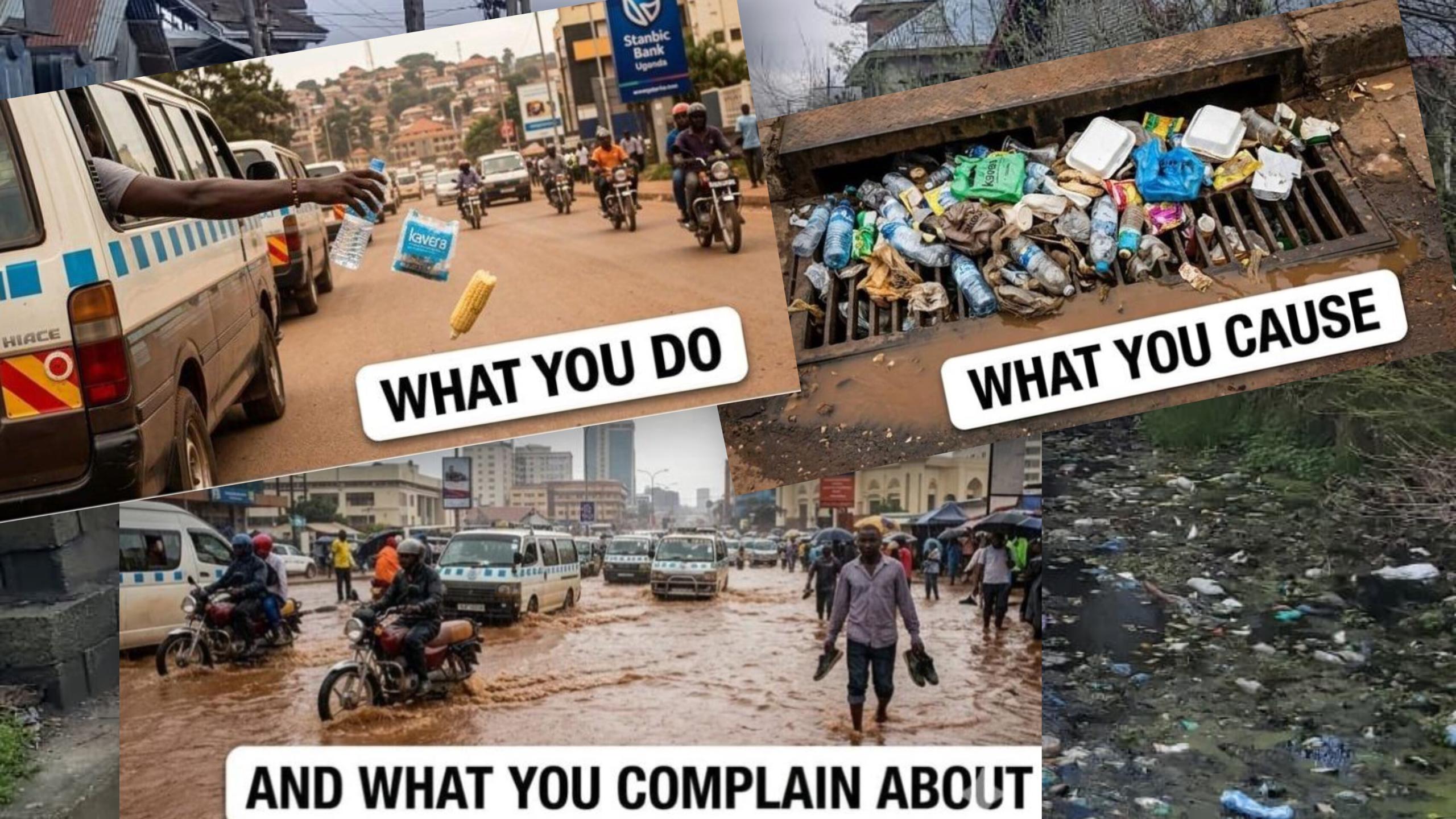
Poor waste disposal practices, such as dumping waste in open spaces, littering, and improper disposal of plastics, have contributed to blocked drainage systems, flooding, pollution of water sources, and the spread of diseases. Communities often suffer the greatest impacts, especially those living in areas with limited waste collection services and inadequate infrastructure.
Effective waste management is not only about removing waste; it is about changing how we think about what we throw away. The principles of reducing, reusing, and recycling should become part of our daily lives. By reducing unnecessary consumption, reusing materials, and separating recyclable waste, individuals and communities can significantly reduce the amount of waste reaching landfills and natural environments.
Plastic pollution remains a major concern because many plastic materials take hundreds of years to decompose. Plastics often end up in rivers and drainage channels, affecting aquatic life and increasing the risk of flooding during heavy rains. Promoting alternatives such as reusable bags, proper recycling systems, and environmentally friendly products can help address this challenge.
Waste management also presents opportunities for economic empowerment. Through recycling, composting, and waste collection initiatives, young people and communities can create green jobs while contributing to environmental conservation. Organic waste can be transformed into compost, supporting sustainable agriculture and reducing dependence on chemical fertilizers.
A clean environment is not created by one person or one organization; it is built through collective responsibility. The choices we make today regarding waste will determine the kind of planet we leave for future generations. Proper waste management is not just an environmental duty, it is an investment in healthier communities and a sustainable future.