









By Leonard Kamugisha Akida,
KAMPALA
As smartphones buzz with breaking updates and social media feeds churn out unverified claims, the responsibility of separating truth from falsehood has never been heavier. With even posts from prominent figures later proving untrue, it is clear that the battle against misinformation is far from over.
Experts attribute the trend partly to the pressure on reporters to publish first, often at the expense of accuracy. The spread of fake news continues to erode media credibility in both legacy mainstream outlets and emerging digital platforms.
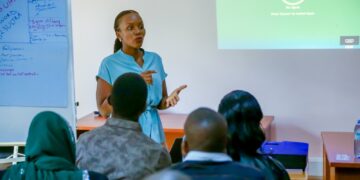
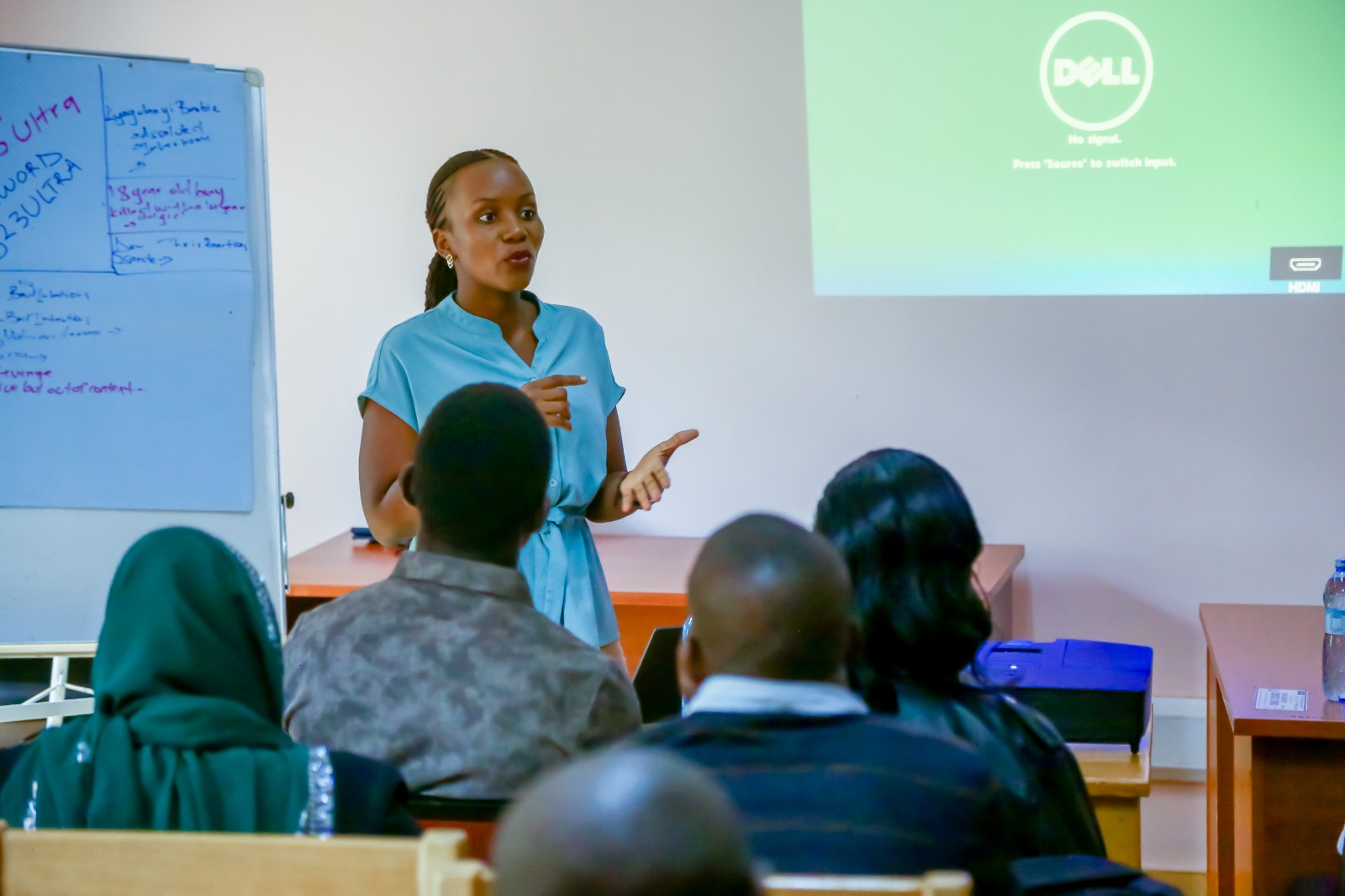
In a move to strengthen ethical journalism and safeguard public trust, more than 15 journalists from radio, television, print and online media outlets across Uganda on Wednesday (February 18) underwent training in fact-checking to effectively debunk fake news, misinformation and disinformation. The training also aimed at building a network of journalists committed to verifying information before publication.
“I urge journalists and media houses to prioritise fact-checking. Do not rush to publish or broadcast a story just to be the first. Take time to confirm your sources, cross-check evidence and ensure the information is credible,” said Mmeeme Leticia, Fact-checking trainer
Mmeeme Leticia, a fact-checking journalist and trainer who facilitated the session, said sharing unverified information can create public anxiety and potentially trigger chaos.
“Fact-checking is essential because it ensures that the information shared with the public is accurate, truthful and reliable. When journalists fail to verify facts, false information can spread quickly, causing confusion, panic and even harm,” Mmeeme said.
She noted that misinformation often goes unnoticed until its impact becomes evident through reports of unrest or public confusion.
“It is very important that our storytellers, the journalists who reach large audiences, understand fact-checking. If they amplify false messages, we risk building a society driven by clickbait, misunderstanding and mistrust,” she added.
During the training, participants were introduced to specialized fact-checking tools such as Google Reverse Image Search, TinEye for image tracking, advanced Google search techniques and InVID for verifying text, URLs and videos, among others.
“If we embrace the practice of fact-checking and use the available verification tools, we will have a more informed society grounded in facts,” Mmeeme said.
She also highlighted the role of artificial intelligence (AI) in modern journalism, urging journalists to adopt to new technologies and incorporate AI in their works.
“AI tools can scan thousands of articles, social media posts, videos and databases within seconds, detect patterns and compare information against verified sources, making research and verification more efficient.,” she said.

Emphasizing on data-based evidence reporting, Mmeeme said, “I urge journalists and media houses to prioritise fact-checking. Do not rush to publish or broadcast a story just to be the first. Take time to confirm your sources, cross-check evidence and ensure the information is credible”.
Journalists who attended the training described it as timely and practical, noting that it strengthened their ability to write fact-check stories and counter misinformation.
“The training gave me a solid toolbox for tightening my work,” said Edith Namwanje, a journalist at Radio Sapientia. “I can now better evaluate the evidence in a story and verify sources by checking and confirming the origin of every claim before reporting or quoting anything.”