












By Leticia Ahiriirwe,
OPINION
The Power of Grassroots Women: The Foundation of Sustainable Change
In conversations about development, climate justice, and land rights, one group is often spoken about, but not always listened to, grassroots women. Yet, these women are not just beneficiaries of change; they are its architects. Their power lies not in titles or positions, but in lived experience, resilience, and an unshakable connection to their communities.
Grassroots women stand at the frontline of some of the world’s most pressing challenges. From climate change to food insecurity and land injustice, they experience these realities daily. They are farmers, caregivers, entrepreneurs, and community leaders. They understand the land not as an abstract resource, but as a source of livelihood, identity, and survival. This deep-rooted knowledge positions them as critical agents of change.
Despite this, their voices are often excluded from decision-making spaces. Policies are drafted in boardrooms far removed from the realities on the ground, resulting in solutions that fail to address the true needs of communities. When grassroots women are left out, development becomes ineffective and at times, harmful. But when they are included, the impact is transformative.
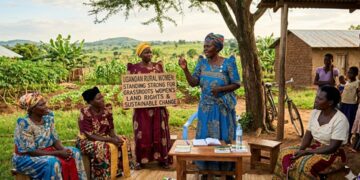
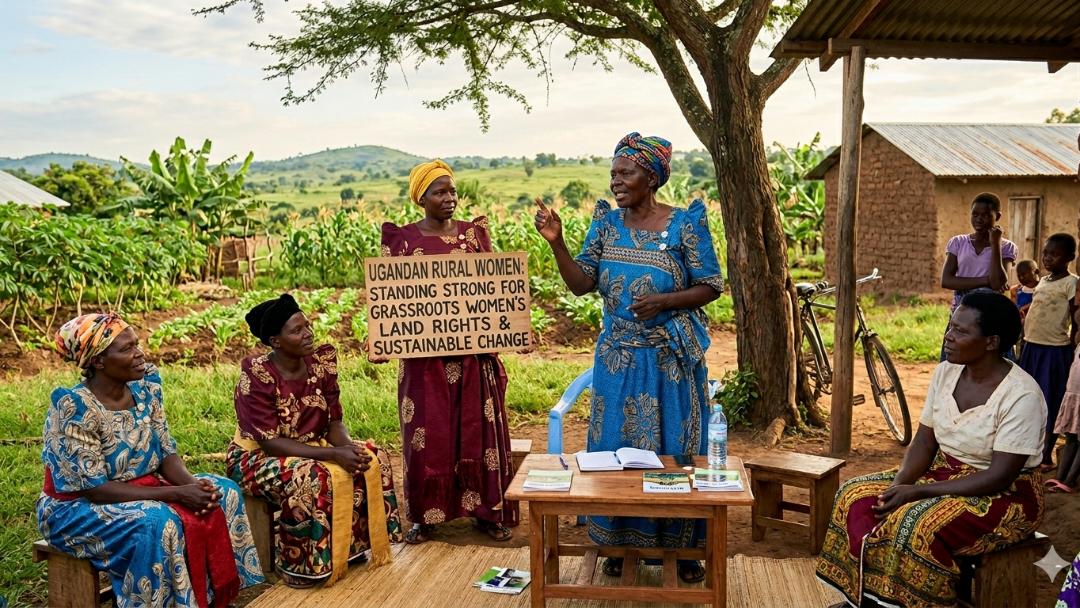
Across communities, women are organizing, mobilizing, and advocating for their rights. They are forming collectives, engaging local leaders, and demanding accountability. Campaigns focused on land rights, for instance, have shown that when women are empowered with knowledge and platforms, they confidently challenge unjust systems and influence decisions that affect their lives.
Their power also lies in collective action. Individually, their voices may be ignored, but together, they become impossible to silence. Through solidarity, they build movements that push for equity, justice, and inclusion. This collective strength not only amplifies their voices but also creates lasting change at community and national levels.
Investing in grassroots women is not an act of charity, it is a strategic and necessary approach to sustainable development. When women have secure land rights, access to resources, and opportunities to participate in governance, entire communities benefit. Food security improves, families thrive, and resilience to climate shocks increases.
However, true empowerment goes beyond participation. It requires shifting power; ensuring that grassroots women are not just present in spaces, but are actively shaping agendas, influencing policies, and leading initiatives. It means recognizing their knowledge as expertise and their experiences as valuable evidence.
The future of sustainable development depends on our ability to center those who are most affected. Grassroots women are not waiting to be empowered, they are already leading change in their communities. What is needed now is for institutions, governments, and organizations to listen, support, and stand alongside them.
Because when grassroots women rise, communities transform, and when communities transform, nations move forward.