











By Leonard Kamugisha Akida,
NATIONAL
A new report by the Auditor General has revealed that a total of 216 private mental health rehabilitation centres are operating illegally and without accreditation or supervision across the country, exposing thousands of vulnerable patients to unsafe and unregulated care.
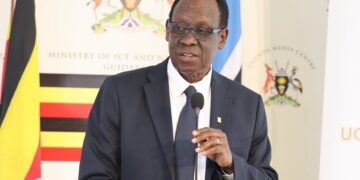
In a Value for Money audit assessing government interventions in mental health service delivery between the 2021/22 and 2023/24 financial years, Auditor General Edward Akol warned that the facilities are operating outside the oversight of the Ministry of Health, raising serious concerns about patient safety.
“216 unaccredited private rehabilitation centres were operating without oversight, posing safety risks to patients,” Akol stated in the report. “Many facilities lack professional mental health staff, struggle to provide proper treatment and rehabilitation, and are hardly supervised.”
The audit notes that the facilities are serving a population where mental health disorders are rapidly rising.
Uganda is among the top six African countries with the highest prevalence of mental health conditions. As of 2022, an estimated 32 percent of the population — about 14 million people — were living with some form of mental disorder, yet only about 10 percent were receiving treatment.
According to the report, Mental, Neurological and Substance use (MNS) cases increased by 27 percent between 2021 and 2023, highlighting a growing public health concern.
Akol also pointed to a severe shortage of mental health professionals in the country.
Uganda currently has only 53 psychiatrists, translating to roughly one psychiatrist per one million people, far below the World Health Organization recommendation of one psychiatrist per 10,000 people.
Most regional referral hospitals and district health facilities, the audit found, lack trained mental health personnel, specialised equipment and essential medicines required to manage mental disorders effectively.
The report also cites weak infrastructure and limited specialised clinics, particularly for children and pregnant mothers, as well as inadequate rehabilitation and psychosocial follow-up services.
Supervision by the Ministry of Health’s Mental Health Division and regional referral hospitals was also found to be irregular, with incomplete monitoring reports for several facilities.
Although Parliament enacted the Mental Health Act, 2019, the audit revealed that key regulations required to operationalise the law have not been developed six years later.
The Mental Health Advisory Board and District Mental Health Focal Persons were also not fully constituted for most of the audit period, leaving mental health units in regional hospitals operating without standardised infrastructure and safety protocols.
Funding constraints further compound the challenge.
Out of UGX58.5 billion allocated to mental health over the three-year period, only UGX1.1 billion (two percent) was directly allocated to the Ministry’s Mental Health Division, which is responsible for implementing mental health programmes.
The audit also found that only 19 out of 65 sampled health facilities (29 percent) conducted mental health outreach activities.
In addition, the Ministry did not implement targeted awareness programmes for faith leaders, traditional healers and local government structures, contributing to persistent stigma and misinformation. As a result, more than 60 percent of patients reportedly seek care first from traditional healers.
Akol warned that unless government strengthens regulation, funding and community-based mental health services, Uganda risks failing to meet both national and international commitments on mental health care.
“The Ministry of Health has made progress in developing laws and policies,” he noted. “However, there are still areas that need attention to improve the provision of mental health services.”