










By Vivian Ainembabazi,
OPINION
As Uganda joins the rest of the world to commemorate Earth Day 2026, the country must reflect on one urgent question: how can we meet growing energy needs without destroying the very environment that sustains us? This year’s theme, ‘Our power, Our planet’ focuses on accelerating the transition to renewable energy and tripling global clean electricity generation by 2030. Renewable energy is known as power that is generated from natural, self-replenishing sources that do not run out such as sunlight, wind, water and geothermal heat. They provide clean sustainable alternatives to fossil fuels because they produce little or no green house gas emissions and are therefore essential in the fight against climate change.
Like other developing countries, Uganda is facing the wrath of climate change and the transition to renewable energy is very crucial in combating this crisis. Uganda has set targets to expand access to electricity and increase the share of renewable energy in the country’s energy mix by 2030. It is important to note that Uganda is richly endowed with renewable energy resources including hydropower, solar, wind and geothermal power.
Despite the country’s vast potential, access to clean and affordable energy remains limited for many households especially in rural communities. Moreso, large hydropower projects continue to dominate electricity generation through the national grid while other renewable energy sources remain underdeveloped. At the same time, over dependence on traditional biomass, mainly firewood and charcoal continue to supply the majority of Uganda’s energy needs.
This has contributed significantly to deforestation, land degradation, indoor air pollution and increased vulnerability to climate change and its impacts. Additionally, water resources are being stressed by the effects of climate change which affects the hydro-power dam’s generation capacity and costs of power.
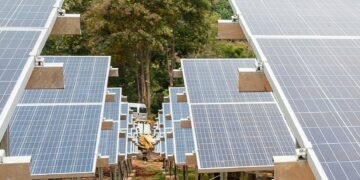
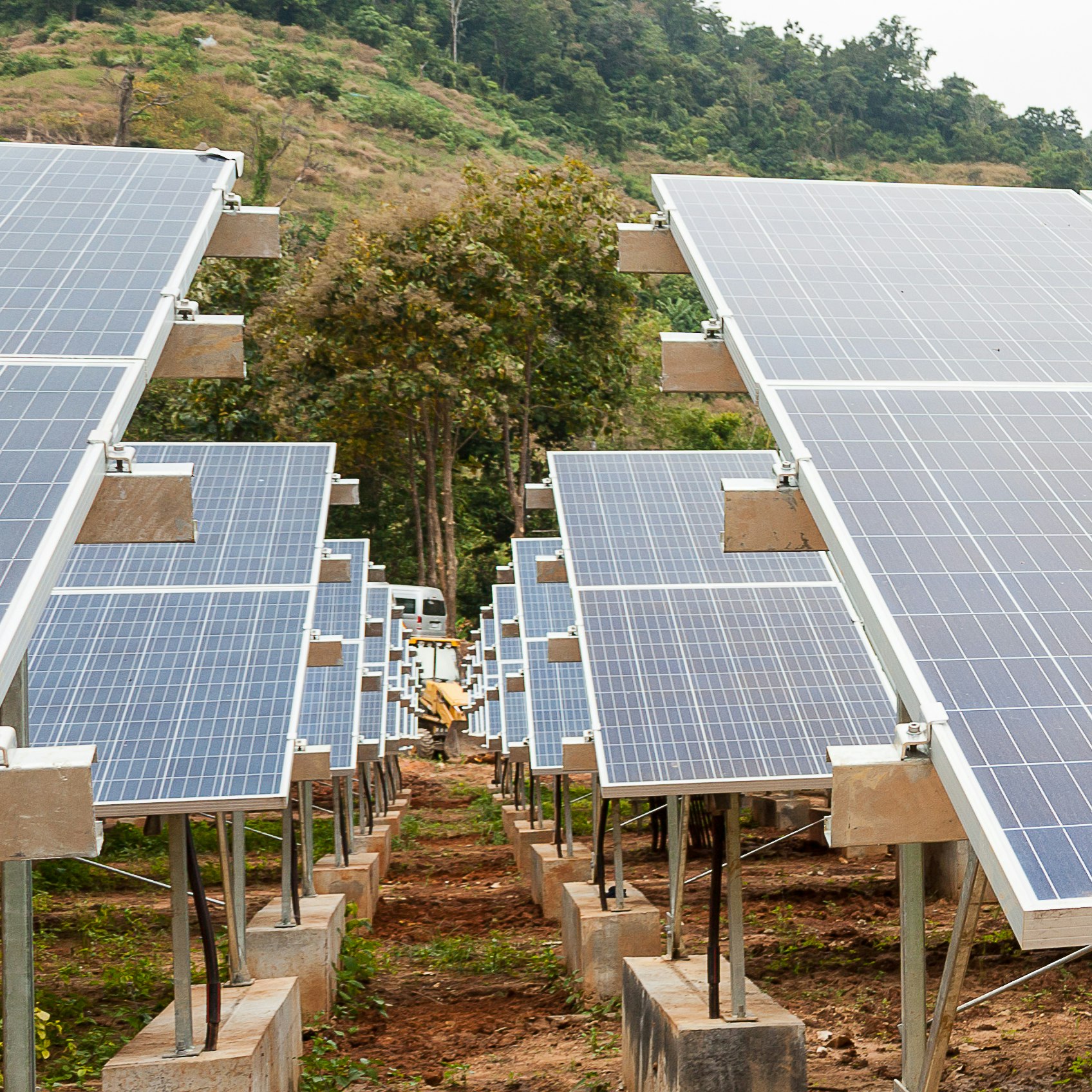
Therefore, there is a need to promote alternative renewable energy sources to expand access for a sustainable future. The Government of Uganda must also treat off-grid and mini-grid systems as the primary solution not the back-up.
Rural electrification in Uganda remains very low and off-grid solar which already supplies a large share of basic energy services in rural Uganda can scale faster than grid extension. This calls for expansion in financing models that reduce upfront costs. Upfront costs are a major barrier and without financial innovation, adoption stalls.
Besides, quality control and after-sales service failures must be fixed as substandard equipment and poor maintenance are a key issue in the market. Promotion of the productive use of energy to more than just lighting is also vital in expanding renewable energy.
Finally, diversification is key because over-reliance creates risk making investment in alternatives such as solar, geothermal and wind are more critical.