








By Leticia Ahirirwe
Op_Ed
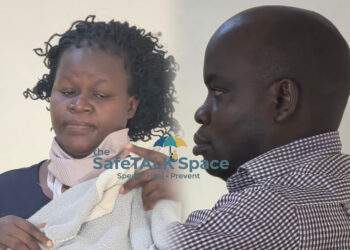
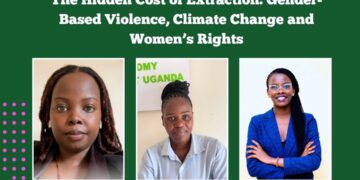
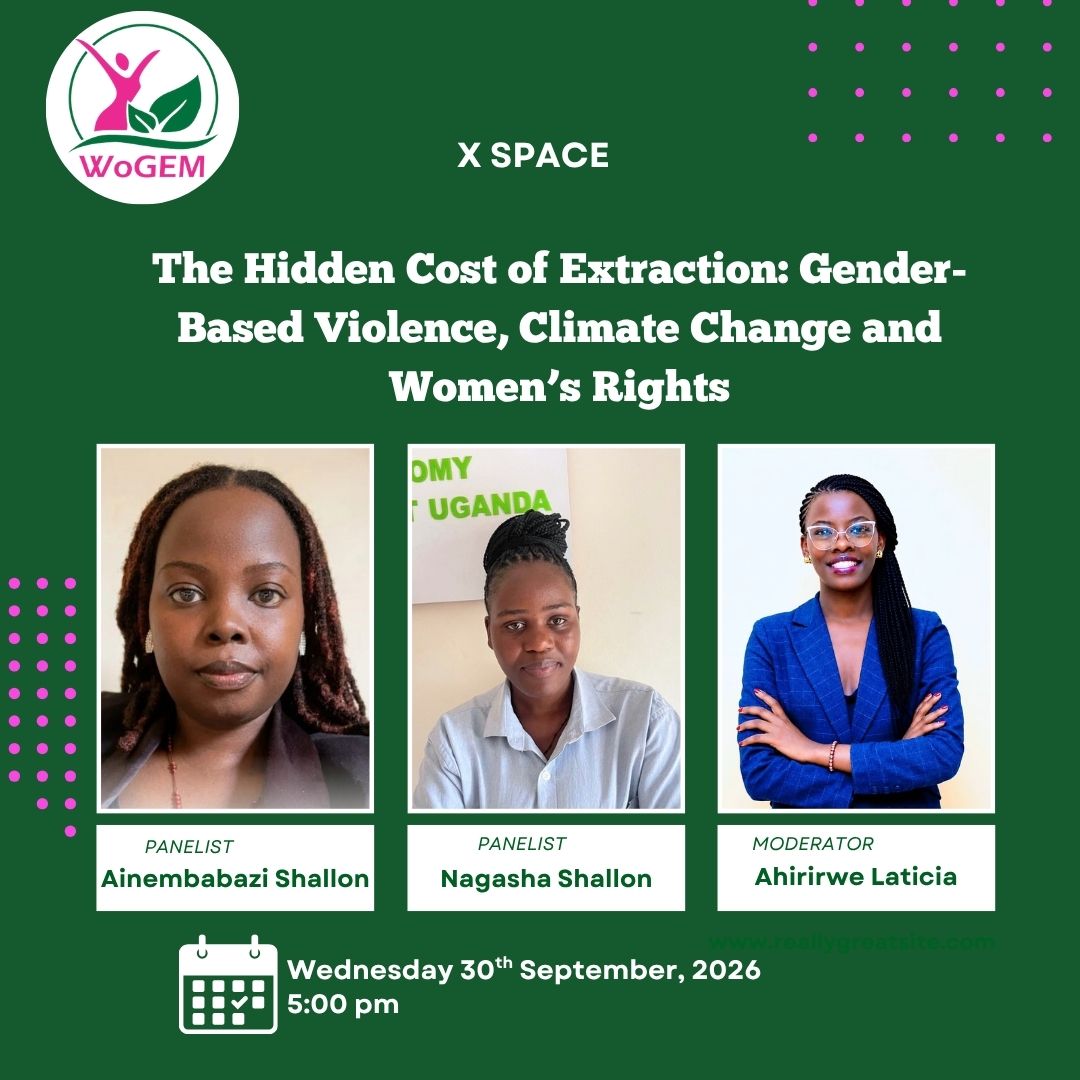
On 30 September 2026, Women for Green Economy Movement Uganda (WoGEM Uganda) organised an X Space under the theme “The Hidden Cost of Extraction: Gender-Based Violence, Climate Change and Women’s Rights.” The conversation brought together Ainembabazi Shallon and Nagasha Shallon as panellists, with Ahirirwe Leticia moderating the discussion.
The conversation went beyond the commonly discussed economic benefits of extractive activities to examine the less visible costs carried by communities, particularly women.
The speakers reflected on how extraction can contribute to deforestation, polluted water sources, loss of land and farmland, and displacement of communities. While these impacts affect entire communities, women often experience them in particularly difficult ways because of their dependence on land and natural resources for livelihoods, food production and household wellbeing.
When access to these resources is disrupted, women may face increased economic insecurity while also carrying a greater burden of unpaid care work. This can further deepen existing inequalities and expose women and girls to increased vulnerability.
The discussion also connected environmental and economic pressures to gender-based violence. GBV cannot always be separated from the wider social and economic conditions in which women live. When livelihoods are disrupted and women lack economic independence and decision-making power, their vulnerability can increase.
Climate change adds another layer to these challenges. Climate shocks can worsen livelihood insecurity and place additional pressure on households and communities already affected by environmental degradation. For women, this can mean more unpaid care work, greater economic pressure and fewer opportunities to participate in decisions affecting their lives.
A key concern emerging from the discussion was therefore whose voices are heard when decisions about extraction, land, energy and development are made.
Women should not only be viewed as people affected by environmental and development decisions. They must have meaningful opportunities to participate in shaping those decisions, demanding accountability and influencing how resources are managed.
The conversation also raised questions about the responsibilities of government, extractive companies, civil society and communities in preventing harm, strengthening protection mechanisms and ensuring accountability where rights are violated.
Ultimately, the discussion reminded us that the cost of extraction cannot be measured only through revenue, investment or economic growth. There are also social and environmental costs that are often less visible but deeply affect people’s lives.
Climate justice must therefore also be gender justice. Protecting the environment, addressing gender-based violence and advancing women’s rights cannot be treated as separate conversations. They are interconnected, and meaningful climate action must recognise these connections.
Through conversations like this, WoGEM Uganda continues to create space for women’s voices and experiences to shape conversations on climate justice, environmental protection and women’s rights.