










By Gilbert Akampa
KAMPALA
HIV prevalence among adults aged 15 years and above remains at 5.9%, largely unchanged from 2020, according to the preliminary results of the 2025 Uganda Population-based HIV Impact Assessment (UPHIA) launched today.
The survey, which provides a five-year roadmap for the national HIV response, shows that an estimated 1,496,000 adults are living with HIV in Uganda. Women continue to bear a higher burden at 7.3% compared to 4.1% among men.
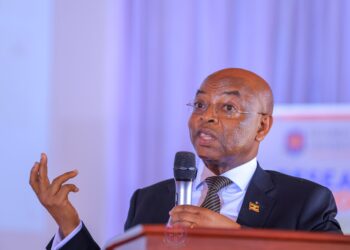
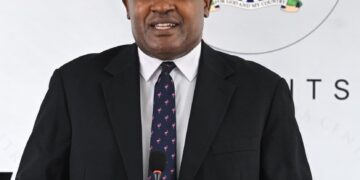
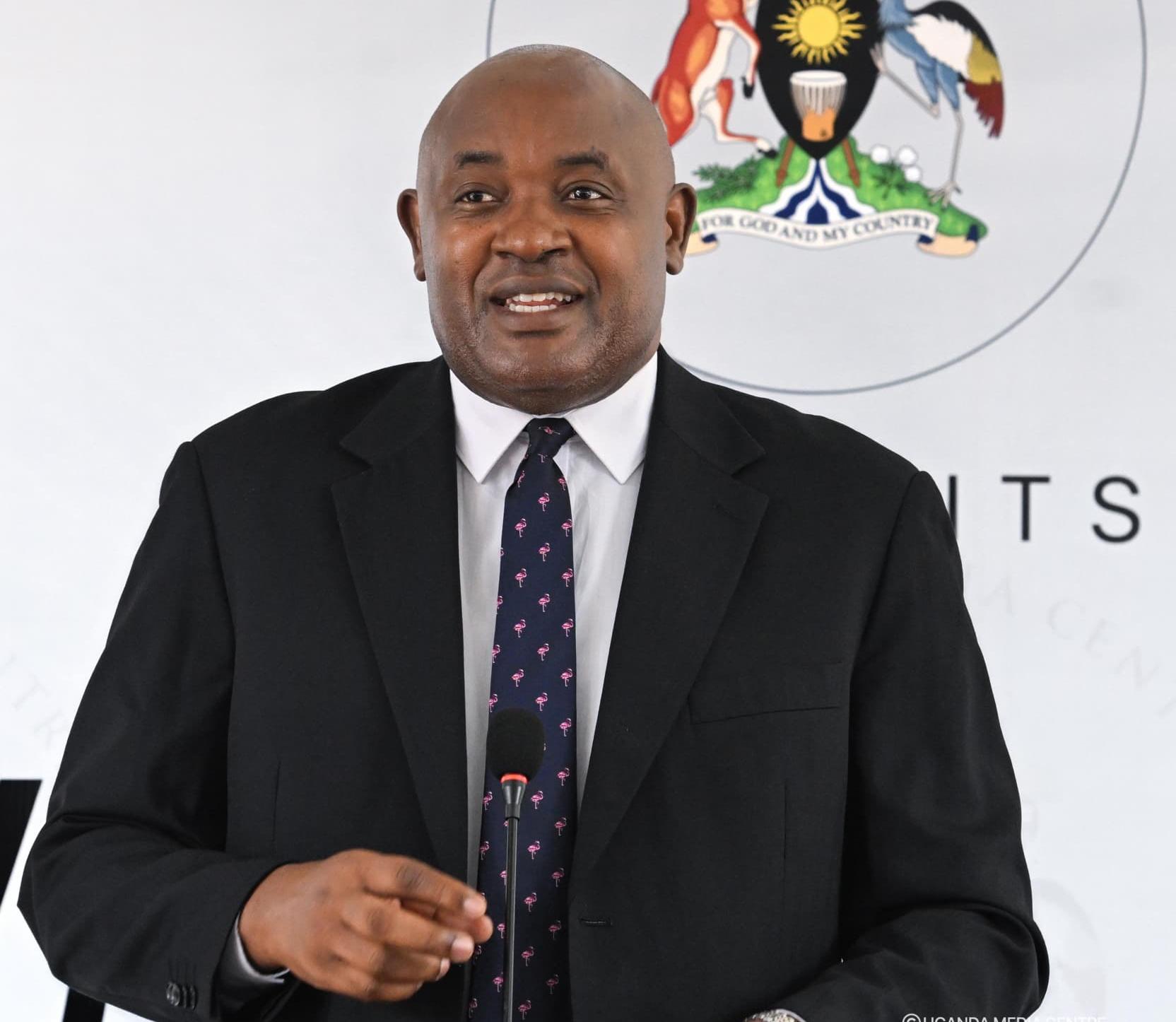
Speaking at the Uganda Media Centre, Minister of Health Hon. Dr. Chris Baryomunsi and Permanent Secretary Dr. Diana Atwiine said the results are a critical accountability instrument to guide government priorities.
Prevalence among reproductive age (15-49 years) stands at 5.5% – 7.1% among women and 3.5% among men. Regionally, the burden varies widely from as low as 1.3% in Karamoja (North East) and 1.4% in West Nile, to as high as 8.0% in South Western Uganda, followed by Central 1 at 7.3% and Central 2 at 7.2%. Kampala stands at 5.4%.
The report highlights a worrying trend among youth. While prevalence is lowest among adolescents 15-19 years, it nearly triples in the 20-24 age group. Among young people 15-24 years, prevalence was 1.5% overall – twice as high among women at 2.0% compared to 1.0% among men.
HIV prevalence peaks at 11.7% among men aged 45-49 and at 15.7% among women aged 40-44.
Big Leap Towards 95-95-95 Targets
The survey shows encouraging progress towards the UNAIDS 95-95-95 targets. Among adults 15 years and above living with HIV:
85.3%,knew their HIV status 99.1% of those who knew their status were on antiretroviral treatment (ART) while 96.5% of those on ART were virally suppressed.
Overall viral load suppression – a marker of effective treatment and reduced transmission – has improved significantly to 86.0% of all adults living with HIV, up from 75.4% in 2020. This means four out of five people living with HIV have suppressed viral loads.
Suppression was highest among older adults (93.8% among women and 98.8% among men aged 55-64) but lower among young adults. Geographically, suppression ranged from 78.0% in Mid-Eastern to 92.3% in South-Western region.
The survey also flagged non-communicable diseases, finding elevated blood pressure in 15.5% of adults, elevated blood glucose in 0.9%, and overweight/obesity in 24.8%.
The Gap: 1 in 7 Don’t know their Status
Dr. Baryomunsi acknowledged the remaining gap: about 1 in 7 people living with HIV still do not know their status.
“This is a timely, evidence-based instrument that helps government set priorities, protect essential gains and hold itself accountable,” Dr. Baryomunsi said. “We will use this evidence to direct resources to the people and places with greatest need.”
Dr. Atwiine thanked participants and acknowledged the US Government through PEPFAR and CDC for funding the survey, alongside Makerere University School of Public Health, UBOS, and UVRI.
The Ministry called upon every Ugandan to know their HIV status, use prevention services, and start treatment promptly if diagnosed. Adults were also urged to screen for hypertension and diabetes.
District leaders and health workers were urged to use the findings for planning, while partners were called to align support with government priorities for a sustainable, country-led response.