









By Leticia Ahirirwe
Op_Ed
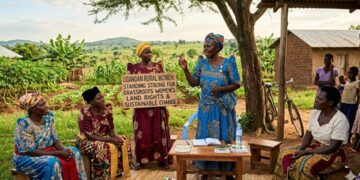
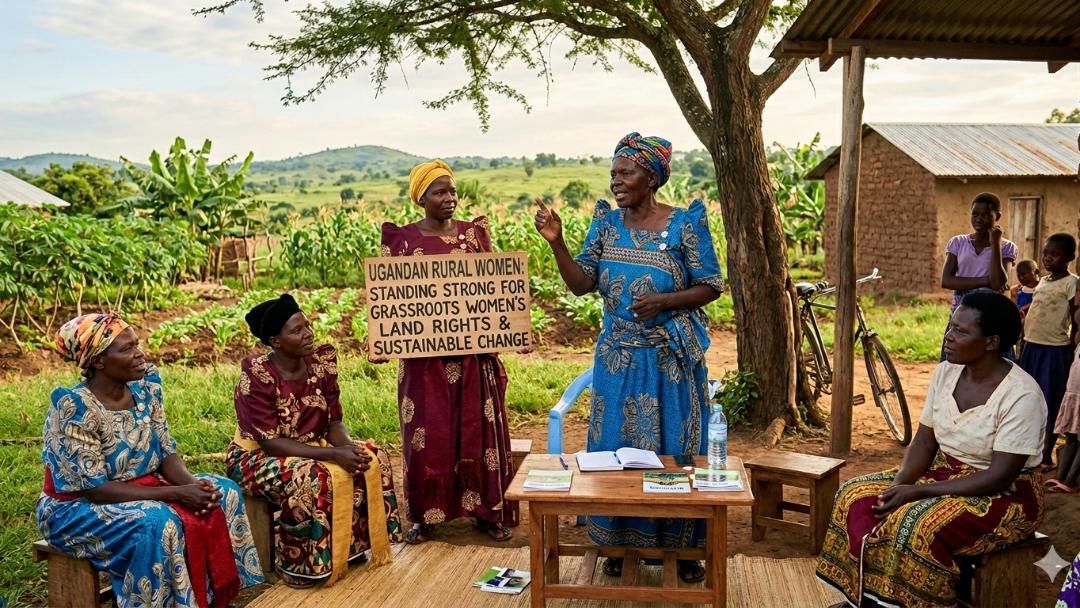
Every day, long before the sun rises over Uganda’s rural communities, millions of women are already at work. They prepare gardens, fetch water and firewood, care for children, feed families and travel to markets to sell produce. They sustain households and contribute to the economy, often without recognition, adequate pay or control over the resources their labour produces. Yet when drought destroys crops, floods wash away gardens or prolonged dry spells leave water sources empty, these same women are among the first to feel the consequences. As Uganda marks the International Day of Rural Women on 15 October, we must ask ourselves a difficult question: how can we speak of development, climate resilience and economic transformation while the women who sustain our communities continue to be left behind?
Rural women are not simply beneficiaries of development; they are farmers, food producers, environmental stewards, entrepreneurs and custodians of indigenous knowledge. They understand their land, recognise changing weather patterns and know what their communities need to survive. However, their contribution is often undermined by unequal access to land, agricultural inputs, affordable credit, markets, technology and decision-making spaces. A woman may spend years cultivating family land without having secure ownership of it. She may produce food for the market but receive little income from its sale. She may participate in a community meeting only to discover that decisions about land, natural resources and development projects have already been made without her. This is not merely an economic challenge; it is a question of justice, dignity and women’s rights.
Climate change is making these inequalities even more severe. Unpredictable rainfall, prolonged droughts, floods and declining soil fertility threaten agricultural production and household food security. When crops fail, rural women must find ways to feed their families, earn an income and meet household needs with fewer resources. When water sources dry up, they may walk longer distances to collect water. When firewood becomes scarce, the burden of cooking falls heavily on those who are already responsible for unpaid care work. The effects extend beyond livelihoods to women’s physical and mental well-being. The climate crisis is therefore not gender-neutral: existing inequalities determine who suffers most, who has the resources to recover and whose needs are ignored.
In Uganda, the conversation about rural women’s empowerment must also confront the consequences of extractive development and the pressure placed on land and natural resources. Communities affected by large-scale projects, including the East African Crude Oil Pipeline (EACOP), raise important questions about land rights, livelihoods, environmental protection and meaningful community participation. For women whose livelihoods depend on farming, access to land is more than a source of income; it is connected to food, independence, family stability and their ability to support their children. Where land acquisition or environmental damage threatens these livelihoods, women’s voices must be heard, their rights protected and their concerns addressed. Economic development cannot be considered successful if communities carry the social and environmental costs while having limited influence over the decisions shaping their futures.
This is why climate action must move beyond planting trees and making public declarations. Uganda needs practical, adequately funded and gender-responsive measures that enable rural women to adapt to climate change and build sustainable livelihoods. Government should invest in climate-resilient agriculture, rainwater harvesting, irrigation, soil restoration, agroecology and affordable renewable energy. Rural women need access to clean cooking technologies, including improved cookstoves, briquettes and biogas, alongside the training and financing required to establish women-led green enterprises. Such investments can reduce pressure on forests, create income opportunities and ease the burden of collecting firewood. Climate finance must reach grassroots women and community-based organisations directly, rather than remaining concentrated in institutions and programmes that do not adequately reflect their priorities.
Equally important is securing women’s rights to land and property, strengthening their access to markets and affordable finance, and ensuring their meaningful participation in local and national decision-making. Government institutions, cultural leaders, development partners and the private sector must challenge practices that prevent women from owning productive assets or controlling the income they earn. Rural women’s unpaid care work must also be recognised and addressed through accessible water, energy, healthcare and childcare services. Their mental health and well-being deserve attention, particularly for women facing repeated climate-related losses, displacement and economic insecurity.
As Women for Green Economy Movement Uganda (WoGEM), we believe that a just transition must place rural women at its centre. Their knowledge, leadership and innovations are essential to building communities that can withstand climate shocks while protecting the environment. Rural women should not be invited merely to attend consultations; they must have the power to shape policies, influence budgets, lead climate solutions and hold decision-makers accountable.
This International Day of Rural Women must be more than a celebration of women’s resilience. Resilience should not become an excuse for expecting women to endure hardship without support. We must move from praising their sacrifices to investing in their rights, livelihoods, leadership and well-being. We must ensure that the women who feed our nation have secure land, the women who protect our environment have access to climate finance, and the women whose labour sustains our economy have a meaningful voice in decisions about their future.
Uganda cannot achieve genuine climate justice, food security or sustainable development while rural women remain underfunded, underrepresented and undervalued. When rural women thrive, families are stronger, communities are more resilient and the country moves closer to a fairer, greener future.