













By Gilbert Akampa Kakurugu
Op_Ed
Uganda’s push toward green energy is noble, necessary and long overdue but the current conversation on banning charcoal is dangerously out of touch with the realities of ordinary citizens.
Any policy that seeks to eliminate charcoal without first addressing affordability, access, and reliability of alternative fuels risks punishing the very people government is meant to protect.
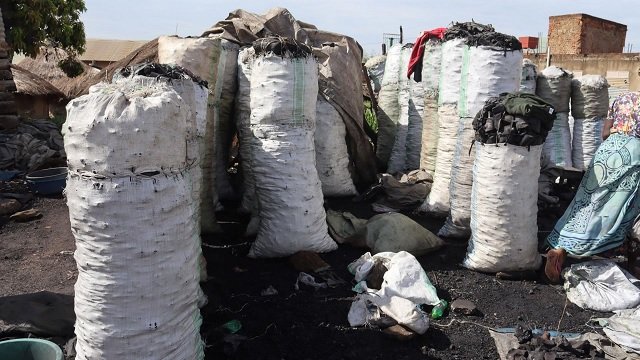
Before any ban is even considered, Uganda needs data, not assumptions. A nationwide survey is essential to understand: How many households rely on charcoal, what they use it for, why charcoal remains the preferred option. It is not just a household fuel, but an economic backbone for thousands. From roadside meat roasters to hotel catering teams, charcoal is the heat behind their livelihoods. A sudden ban would not only extinguish their fires but also their income.And the argument that firewood will remain available is misleading. Charcoal and firewood come from the same forests.
If one is banned, the other will inevitably follow.
Cost of Cooking, Reality Policymakers Ignore
For low-income earners, cooking is already expensive. Anyone who has tried boiling dry beans on electricity or gas knows the bill that follows. Uganda’s electricity tariffs remain among the highest in the region, and outages are a daily frustration.
How can a family rely on electricity when it disappears for hours at a time?
Government once supplied subsidized gas cylinders, a commendable effort but refilling them has become unaffordable for many. Ethanol stoves and pressure cookers were introduced in hard‑to‑reach districts, yet even these alternatives are slipping out of reach. A 3‑litre jerrycan of ethanol that cost 12,000 shillings recently shot up to 15,000, and it barely lasts a week.Green energy is good. But green energy must also be affordable.
Extend Electricity First, then talk about bans. Uganda cannot outlaw charcoal before ensuring that every household has access to reliable, affordable electricity. Many citizens have waited years for connection. One applicant was asked to pay 2.7 million shillings for installation a figure far beyond the reach of most rural families.How can government tell such a person to stop using charcoal?
Should they eat raw food?
Survive on fruits alone? This is not policy, it is punishment. If charcoal is confiscated in transit, government must compensate traders. These are not criminals; they are citizens trying to survive in an economy where formal jobs are scarce.Before any ban, government must:extend electricity to all areas,reduce the cost of power, stabilize supply,support affordable clean‑energy alternatives only then can Uganda begin a serious conversation about phasing out charcoal.
Parliament must stand with Ugandans at the moment, Parliament appears disconnected from the daily struggles of ordinary citizens. Policies that make life harder for low‑income earners cannot be called progress. Uganda needs leadership that listens, understands, and acts with empathy.
A charcoal ban today is not environmental protection, it is economic suffocation.Uganda must go green, yes. But it must go green responsibly, gradually, and with the people, not against them.