











By Leonard Kamugisha Akida
KAMPALA
Uganda has not registered any new Ebola case since the country was declared Ebola-free on July 28, the Ministry of Health has said, urging the public to remain vigilant against possible infections from neighbouring countries.
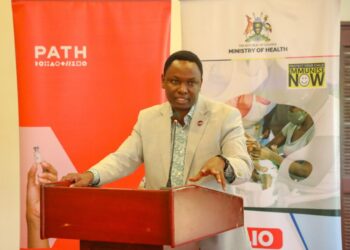
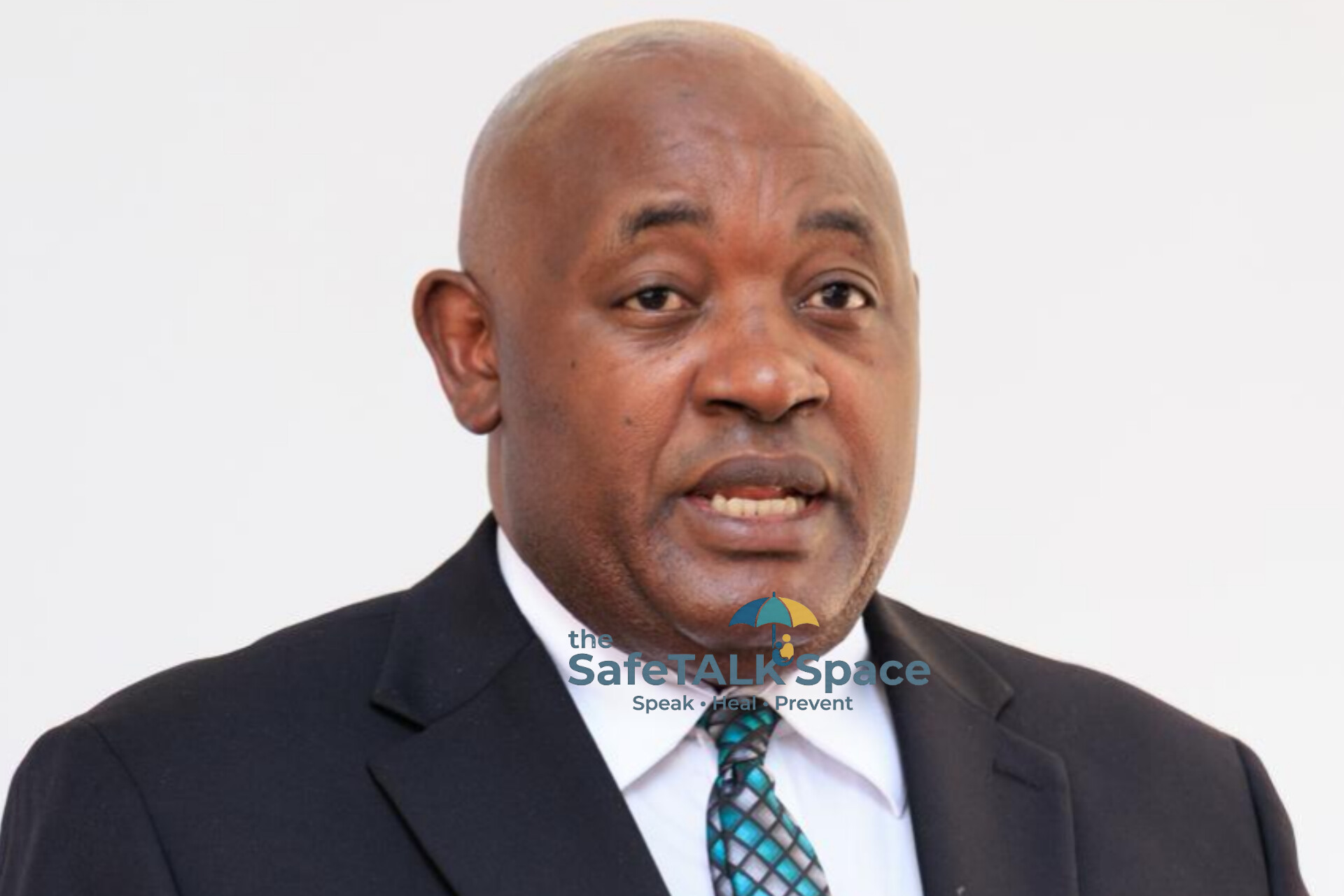
Health minister Dr Chris Baryomunsi said on Sunday that although there had been concerns over a Kenyan traveller who passed through Uganda, the ministry had traced the traveller’s movements and placed contacts under a mandatory 21-day quarantine.
The contacts were later discharged after completing the quarantine period without developing signs or symptoms of Ebola, he said.
“Uganda has remained Ebola-free up to now, so let your hearts be settled,” Baryomunsi said.
However, he warned that Ebola cases reported in the region continued to pose a risk of transmission to Uganda, calling for continued vigilance among the public and health authorities.
“The end of local transmission doesn’t mean the risk has ended,” he said.
“The recent cases involving travellers from the region further underscore the need to remain vigilant.”
Baryomunsi said the ministry was pursuing two complementary strategies to prevent further outbreaks: maintaining strong disease detection and early-warning systems in Uganda while supporting efforts in the Democratic Republic of Congo (DRC) to contain transmission in affected communities.
Nigeria case under investigation
The minister also disclosed that the ministry was investigating reports of an Ebola case in Nigeria involving a female traveller from Uganda.
He said Uganda was working with Nigerian authorities to establish the circumstances surrounding the reported case, including conducting genomic sequencing and tracing the traveller’s movements in Uganda.
“We are working with authorities in Nigeria to carry out genomic sequencing and track movements in Uganda. The information we have is not yet complete. Once it is, we shall update the country at a later time,” Baryomunsi said.
He dismissed reports of Ebola cases in Kasese district in western Uganda and other districts bordering the DRC, emphasising that the government had strengthened surveillance and screening measures to prevent the disease from entering the country.
Screening intensified
Baryomunsi said all travellers entering Uganda through Entebbe International Airport and other border points were subject to screening to identify individuals who might require further medical assessment.
At Entebbe International Airport, measures had also been intensified to improve hygiene during passenger and baggage screening.
These include disinfecting baggage trays before and after use, strict observance of hand hygiene by airport staff and sanitising between passport-handling procedures.
Passengers are also required to sanitise their hands before and after handing over passports at check-in counters, immigration desks and other designated points.
The measures are intended to identify travellers who may require further assessment and ensure appropriate action is taken.
Other interventions include strengthening disease surveillance at local health facilities, working with local government leaders to monitor suspected cases and tracing contacts of people suspected of having Ebola.
Travellers presenting with suspected symptoms are subjected to mandatory laboratory testing and, where necessary, quarantine at designated holding units as health authorities work to prevent possible transmission.