








By Hellen Tusiime
KAMPALA
Education stakeholders have called on the Government to increase funding for basic education and raise the capitation grant to improve learning outcomes in schools.
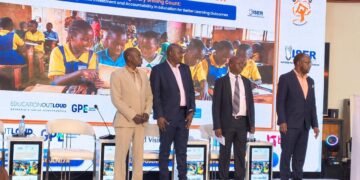
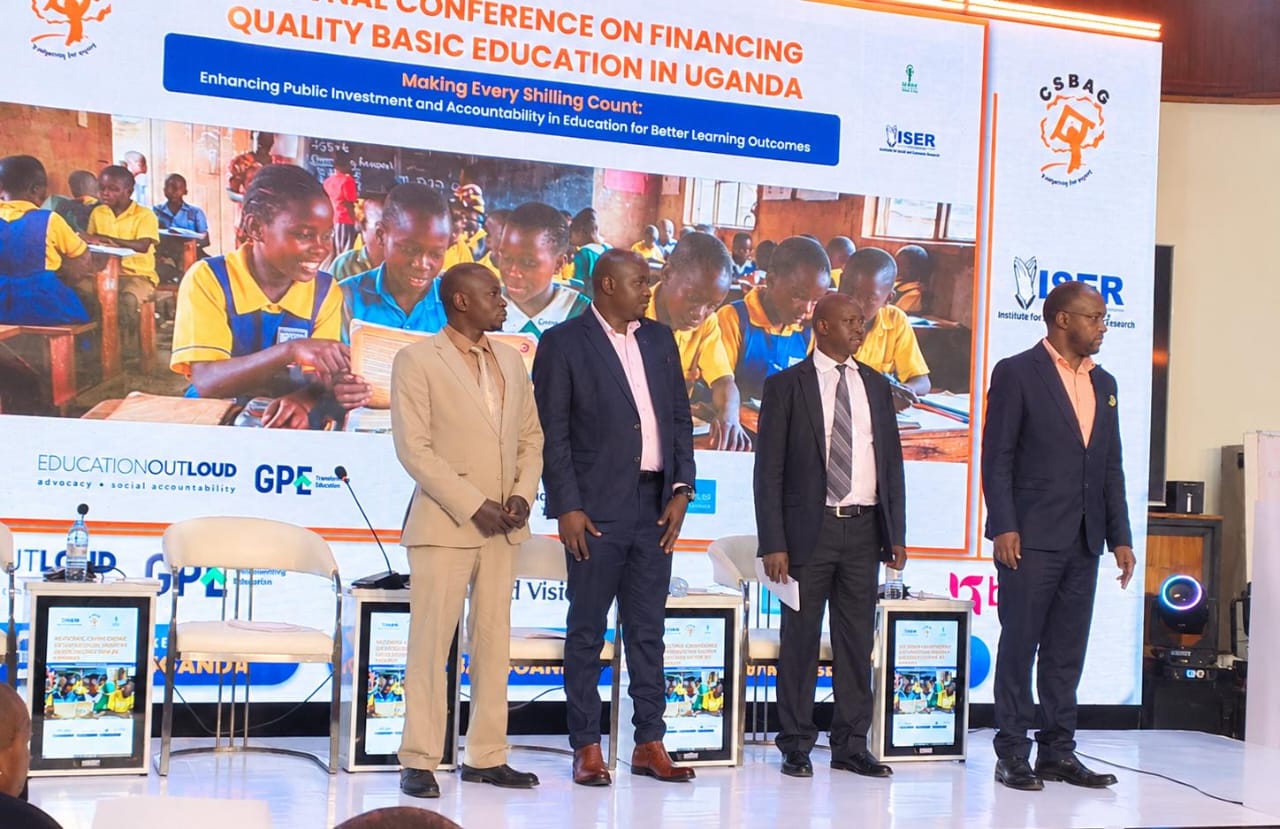
The call was made during the National Conference on Financing Quality Basic Education in Uganda, held on Thursday, November 19, 2026, at Fairway Hotel in Kampala.
The conference, organised by the Civil Society Budget Advocacy Group (CSBAG), the Initiative for Social and Economic Rights (ISER) and the Uganda Society for Disabled Children (USDC), was held under the theme, “Closing the Funding Gap to Deliver Inclusive, Quality Learning for All.”
Julius Mukunda, the executive director of CSBAG, said the current primary school capitation grant of sh20,000 per learner annually was inadequate to meet the cost of providing quality education.
He called for the grant to be increased towards sh90,000 per learner annually, arguing that schools need more resources to provide learning materials and meet other essential requirements.
“Fifty-five shillings a day cannot buy quality education,” Mukunda said.
He said although Universal Primary Education had expanded access to schooling, the country needed to focus more on whether children were acquiring the skills they should be learning in class.
Mukunda called for increased investment in early-grade reading and numeracy, recruitment and support of teachers, improved school infrastructure and better funding for learners with disabilities.
He also urged the Government to strengthen accountability to ensure that funds allocated to education reach schools and are used for their intended purposes.
Investment in human capital
Delivering the keynote address on behalf of the National Planning Authority executive director, Dr Joseph Muvawala, Maxwell Ondogo, the authority’s senior economist in charge of education and skills development, said investment in education was central to Uganda’s long-term development ambitions.
He said the country’s ambition to grow its economy from about $50b in 2023 to $500b by 2040 would depend on building a skilled, healthy and productive population.
Ondogo noted that although government programmes had expanded access to primary and secondary education, major gaps remained in learning outcomes, school infrastructure and completion rates.
He cited education assessments showing that many children spend years in school without acquiring the expected literacy and numeracy skills.
He also raised concerns about overcrowding in government schools, where high pupil-to-teacher and pupil-to-classroom ratios make it difficult for teachers to give learners adequate attention.
Ondogo said the primary school capitation grant of sh20,000 per learner annually was below the estimated cost of providing decent education. He recommended increasing it to about sh63,500.
He further called for greater prioritisation of basic education in national budget allocations, equitable distribution of resources, recruitment of more teachers and improved school facilities.
Funding must translate into learning
Opening the conference, Lilian Nasiba of the Initiative for Social and Economic Rights said expanding access to education without providing adequate resources could undermine the gains made through government programmes.
She said quality education required qualified and supported teachers, sufficient classrooms, learning materials, accessible facilities and an environment in which all children could learn.
Nasiba urged the Government to ensure that resources are distributed according to the needs of different schools, particularly those in rural communities and those serving learners with disabilities.
She called on participants to develop practical recommendations that would influence government planning, parliamentary oversight and public participation in education financing.
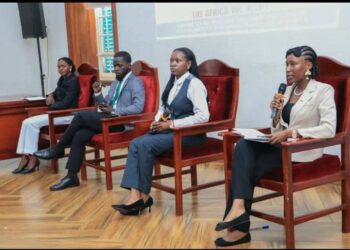
During a panel discussion, Sophie Nampewo Njuba, Harriet Apio of World Vision, Derrick Namisi and Hajji Nsubuga Wood discussed the challenges affecting learning and the use of education resources.
The discussion highlighted the importance of school feeding, teacher attendance, teaching materials and investment in early childhood education. Panelists also raised concerns about children attending school without adequate meals and the effect this has on their ability to concentrate and learn.
Apio shared World Vision’s experience with its Unlock Literacy programme, which brings together teachers, parents, volunteers and community leaders to improve children’s reading skills.
She explained that the programme combines school-based activities with community involvement, including reading centres, locally developed learning materials and parent participation.
The panel also examined whether resources should be directed towards constructing new schools or improving existing ones. Participants stressed the need for reliable data on enrolment, teacher deployment, school infrastructure and dropout rates to guide decisions on where investment is most needed.
Accountability and inclusion
In his closing remarks, Richard Long, Oxfam Denmark’s regional programme manager for Horn, Eastern and Southern Africa, said the education financing challenge involved both the amount of money available and whether it reached the intended beneficiaries.
He said capitation grants needed to be adequate, released on time and spent on the priorities for which they were provided.
Long also called for education planning to deliberately include children with disabilities, girls in hard-to-reach communities and refugee learners.
He explained that equality and equity were different, noting that equity required resources to be distributed according to the varying needs of learners and communities.
“Every budget line, every grant and every school must pass the test of making every shilling count,” Long said.
He urged the Government to review education grants, publish school-level allocations and strengthen inspection, while calling on civil society organisations and communities to monitor public expenditure.
Nasiba said ISER and USDC, working with CSBAG, had been implementing a project on strengthening public accountability and investment in education in Yumbe, Sheema and Namayingo districts and at national level since 2024.