










By Leonard Kamugisha Akida
NATIONAL
Government has been urged to tighten regulation of alcohol production, marketing and distribution to curb rising consumption, particularly among teenagers and young people.
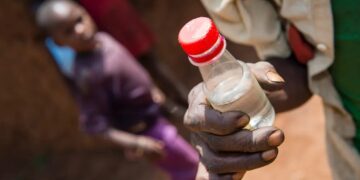
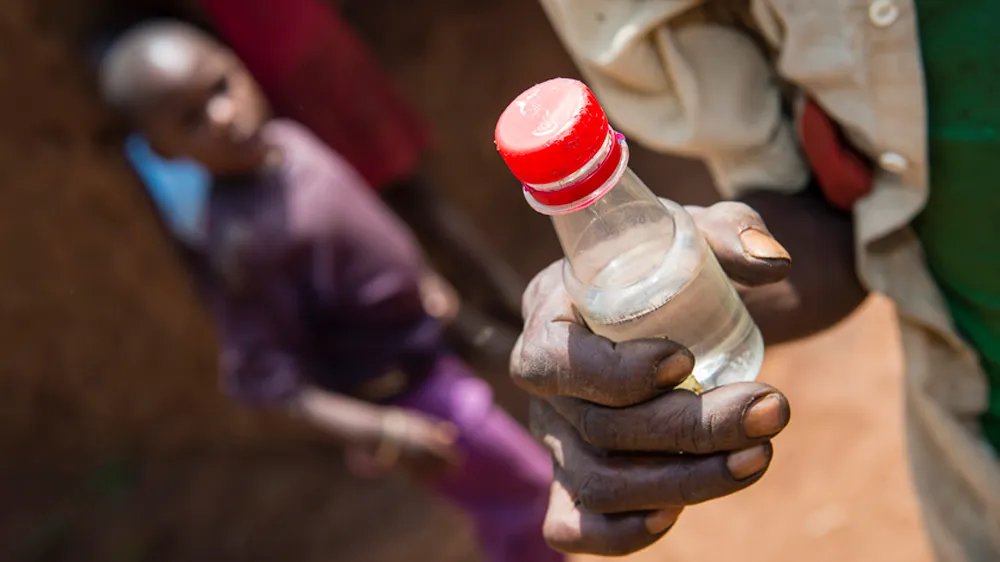
Researchers, civil society and the academia say weak enforcement had allowed unregistered and unlicensed alcoholic products to flood the market.
They called for a coordinated regulatory operation involving local council leaders, chief administrative officers, resident district commissioners, police and the Uganda National Bureau of Standards (UNBS) to ensure alcoholic products meet safety standards.
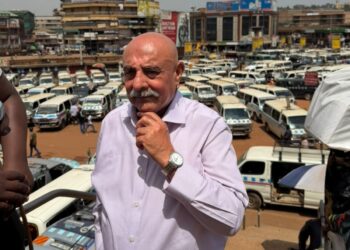
“Government should also calm down, identify and observe on the ground to see who is manufacturing. The challenge is we have very many liquor brands in the market that are not registered, that they are not legalised, that they are not licensed,” urged Richard Bushweta, a psychologist, addiction counsellor and recovering addict at Buhumuriro Counselling and Healing Centre in Mbarara City.
The group allege that some manufacturers use unapproved ingredients in alcoholic drinks, exposing consumers to health risks.
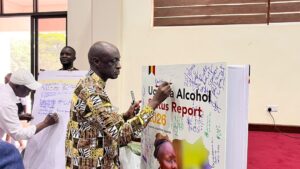
The call follows the 2026 Uganda Alcohol Status Report, compiled by the Uganda Alcohol Policy Alliance (UAPA), which ranks Uganda first in Africa and fifth globally in per capita alcohol consumption.
The report estimates that Ugandans aged 15 years and above consume an average of 12.2 litres of pure alcohol annually.
It further estimates that 17,065 Ugandans die annually from alcohol-related causes, translating into 47 deaths daily.
The report, launched at Makerere University School of Public Health on Wednesday, indicates that 42.6% of Ugandans aged 15 and above consume alcohol, while 54.5% of drinkers are classified as heavy drinkers.
It also estimates that 12.4% of Ugandans suffer from alcohol use disorder, exceeding the global average of 7% and Africa’s regional average of 6.3%.
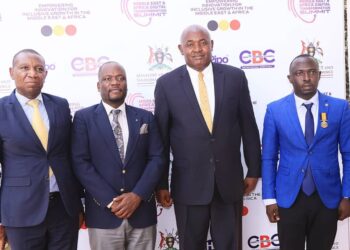
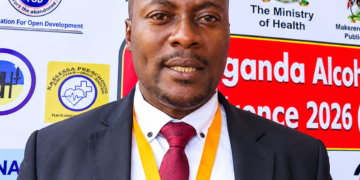
Speaking at the launch of thr report, Francis Nsanga, a Makerere University researcher and lead investigator of the report, said the figures demonstrate the need for urgent government intervention to protect public health and household welfare.
The report estimates that Uganda spends about shillings 11 trillion annually addressing alcohol-related consequences, including healthcare costs, lost productivity, road accidents and family instability.
Meanwhile, Richard Baguma, UAPA executive board chairperson, criticised unrestricted alcohol advertising, promotion and sponsorship, saying they expose children to drinking culture.
He said attractive packaging, sweet flavours and advertisements portraying alcohol as fashionable encourage young people to consume alcoholic products.
The report indicates that 5% of boys aged 15 to 19 consume alcohol daily, compared with 19.2% of girls in the same age group.
Baguma called for comprehensive alcohol-control legislation, arguing that Uganda’s regulatory framework remains inadequate to address the growing public health crisis.
Bushweta said early exposure, peer pressure, poor parenting and social environments contribute to addiction among young people. He also called for government support for rehabilitation services, saying many families cannot afford treatment for relatives battling addiction.
Dr Nalujja Joyce Sserunjoji, a Senior Consultant at the ministry of health attached to Mulago Hospital said children are increasingly exposed.
Despite the exposure, Nalujja said Uganda’s existing legal frameworks on alcohol are good, she was quick to point out weaker enforcement. She urged parents to closely monitor their children, including university students, and provide guidance to prevent them from falling into alcohol and other substance abuse.