








By Leonard Kamugisha Akida
NATIONAL
The Forum for Democratic Change (FDC) has rejected a proposed government policy to centralise teacher training, saying the move could worsen the shortage of teachers and limit access to training.
The government through the Ministry of Education and Sports is working on a policy to rationalize teacher training institutions to establish Uganda National Institute for Teacher Education (UNITE) as the sole institution responsible for training teachers across the country. The drafted policy which is seeking cabinet approval also establishes a few gazetted national teacher training institutions (UNITE centres) and phases out the existing 33 Primary Teachers Colleges (PTCs) and five National Teachers Colleges (NTCs).
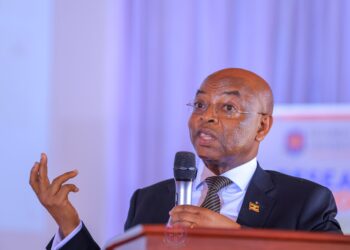
The policy also seeks to establish the National Teacher Council. Speaking as Chief Guest at the inaugural International Teacher Education Conference (ITEC) 2026 at Hotel Africana last week, Ag. Education Minister JC Muyingo said the reforms are long-term commitments to improve quality of teachers and professionalism in Ugandan classrooms.
The proposal has however been met with resentments from educationsits and opposition politicians who argue that it’s unfair to the teaching industry.
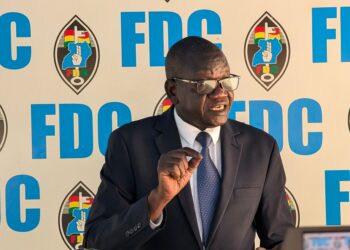
FDC deputy secretary for publicity in charge of publication and documentation Mulindwa Walid Lubega says the plan would also affect teacher training programmes at public and private universities.
“The FDC vehemently rejects this move. Closing dozens of colleges to remain with a few centres will drastically cut the annual output of teachers,” Mulindwa said.
Uganda has more than 10 million learners enrolled in basic and secondary education, supported by approximately 185,000 primary school teachers and 65,000 secondary school teachers as of October 2026.
Mulindwa said centralising teacher training would also increase the distance and cost of training, locking out poor but talented Ugandans.
He said institutions such as Makerere University and Kyambogo University had invested heavily in teacher education infrastructure, warning that phasing out their programmes would waste resources and institutional experience.
On the Competency-Based Curriculum (CBC), Mulindwa said the Government should focus on retraining teachers instead of forcing them to acquire higher academic qualifications.
“The Government should invest its energies in retooling teachers into the CBC curriculum so that they are compliant with the new normal,” he said.
He also opposed forcing teachers to cross to higher qualification levels without improving their pay, saying many teachers were struggling financially.
The party also suggested for consultation of teachers, universities, the Uganda National Teachers’ Union and other stakeholders before adopting the policy.
“Education is not a military barracks to be centralised by command. It needs diversity, access and innovation,” he said.
The remarks were made on Monday, October 5, 2026, as Uganda joined the world to mark World Teachers’ Day. FDC called for continuous professional development for teachers, improved facilities in teacher training institutions and better remuneration for tutors.