









By Leonard Kamugisha Akida,
NATIONAL
The Government has announced mandatory National Cleaning Days to be observed on the last Saturday of every month, with the nationwide exercise set to begin this Saturday from 7:00am to 10:00am.
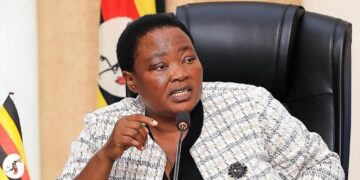
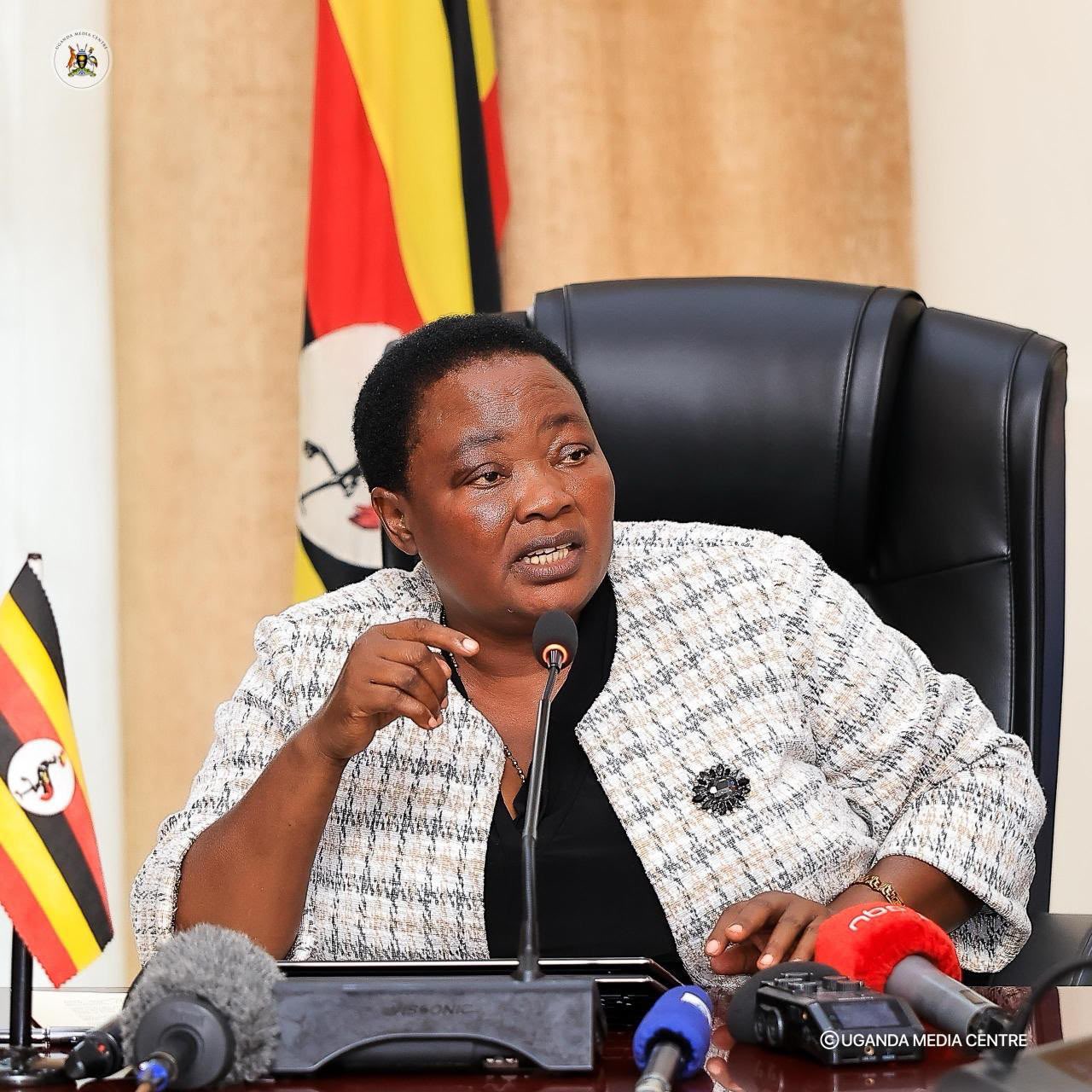
Speaking at the Office of the Prime Minister (OPM) in Kampala on Thursday, Prime Minister Robinah Nabbanja said the initiative is anchored in Articles 17(j) and 39 of the Constitution, which oblige citizens to protect the environment and guarantee every Ugandan the right to a clean and healthy environment.
“The Government of Uganda is pleased to commence the implementation of the National Cleaning Days Initiative, a national programme approved by Cabinet,” Nabbanja said.
The national launch will be held at Kiiti Zone in Kisenyi, Kampala, where Vice-President Jessica Alupo will represent President Yoweri Museveni, the initiative’s champion.
Under the slogan, “A Clean Uganda Is Everybody’s Responsibility,” all Ugandans will be expected to participate in cleaning markets, schools, health facilities, places of worship, roads, drainage channels and other public spaces.
Nabbanja warned that unnecessary movement of people and vehicles during the three-hour exercise will not be permitted, with only emergency and essential services such as ambulances, fire and rescue teams and security agencies exempted.
“For three hours, let Uganda stop and clean. During this time, all businesses shall remain closed,” she said, urging the public to plan accordingly.
She said poor sanitation continues to fuel preventable illnesses, noting that about 75% of Uganda’s disease burden can be prevented through improved hygiene and sanitation.
“About 33 Ugandan children die every day from diseases associated with unsafe water, poor sanitation and inadequate hygiene,” she added.
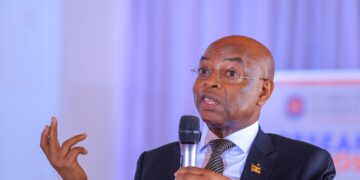
Health minister Dr Chris Baryomunsi said the campaign would complement government efforts to reduce communicable and non-communicable diseases through prevention.
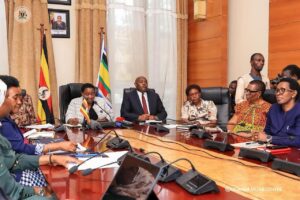
He urged Ugandans to embrace the exercise voluntarily, saying proper waste management, clearing stagnant water and maintaining clean surroundings would help reduce malaria, diarrhoeal diseases and other sanitation-related illnesses.
National Environment Management Authority executive director Akankwasa Barirega said the initiative would also support environmental restoration by improving waste management and protecting wetlands and forests.
According to Barirega, Uganda’s forest cover has recovered from 9% in 2015 to 12.7%, while wetland cover has increased from 8.9% to 13.9%.
KCCA welcomed the initiative saying its a scale up to the authority’s existing Weyonje Clean up campaign to a national level. The representative of the KCCA Executive Director said the initiative would promote waste segregation at source, allowing recyclable waste to be recovered instead of being dumped in landfills.
“We shall not allow mixed waste. Waste must be separated at source so that what is collected becomes a resource rather than garbage destined for landfill,” the KCCA representative said.
Government estimates show Kampala generates between 2,000 and 2,500 tonnes of solid waste daily, but only about 50% to 60% is collected, leaving the rest to clog drainage channels and increase the risk of disease outbreaks.
Meanwhile, the United Nations Development Programme (UNDP) expressed commitment to supporting the initiative.
Ms. Nwanne Vwede-Obahor, the UNDP Resident Representative in Uganda, said the initiative has the potential to create lasting behavioural change rather than remain a one-off campaign. She said the goal is to instill a culture where children grow up valuing cleanliness and communities routinely maintain public spaces without requiring government mobilisation.
“10 years from we shall not be talking about national cleaning campaign, the children who are growing up are going to be part of this and can learn and automatically be able to keep the environment clean. Communities will be able to keep the environment clean. We will no longer be talking about things like sorting garbage and waste management. It becomes part of the of the of the body and souls of Ugandans,” Nwanne said UNDP.
She described the initiative as an investment in public health, environmental sustainability and national development
Leaders, religious and cultural institutions, local governments, police and development partners have been tasked with mobilising communities and supporting enforcement of the monthly exercise.