














By Leonard Kamugisha Akida,
KAMPALA
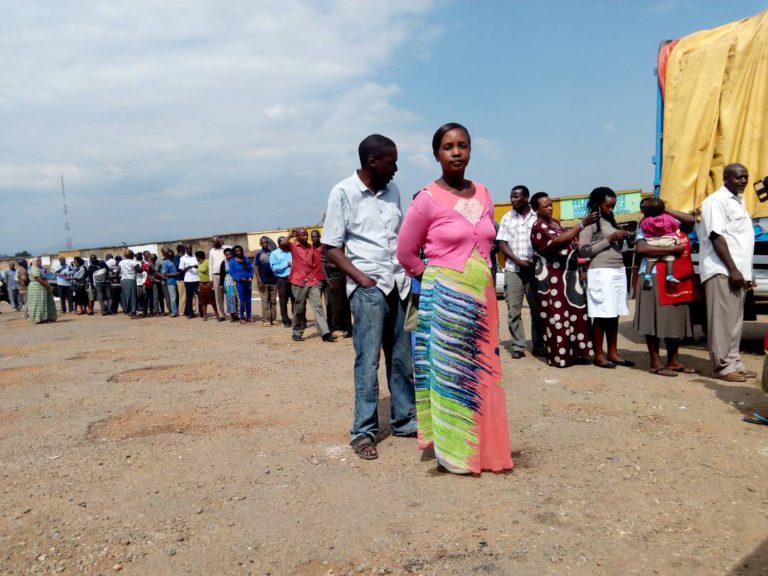
The opposition Uganda People’s Congress (UPC) has opposed the Electoral Commission’s decision to use the lining-up method of voting in the forthcoming Local Council (LC) and Women Council elections, saying the system could fuel conflicts within communities.
UPC spokesperson Sharon Arach Oyat said the method, where voters physically line up behind their preferred candidates, could affect relationships among villagers because the choice of each voter becomes public.“When it comes to the villages and these LC1 and LC2 elections, these are people who are at the grassroots and interact with the community very often compared to us in urban areas,” Arach said.
She argued that public voting could create divisions among neighbours, friends and families, instead of promoting unity.
“If I am your friend and I stand behind another candidate, obviously my friendship with you may shake a little bit. Because of that, we shall have issues, fights, and instead of creating unity, we are going to be inciting violence and enmity within the community,” she said.
Early this week, the Electoral Commission announced July 23 and July 28, 2026, as the dates for elections of Women Council leaders and LC1 chairpersons respectively. Voting for LC2 chairpersons will take place on August 10, 2026. The LC1 elections will be conducted in all 71,214 villages across the country.
UPC called on the Electoral Commission to reconsider the system and adopt a secret ballot, saying it would protect voters and reduce tensions after elections.
“This creates room for hatred and infighting, especially from losing candidates and their supporters. We can minimise tension by allowing free and fair elections based on the core values of a secret ballot,” Arach said.
She added that public voting could expose personal choices and create disputes among community members.
“If this process could be done by a separate ballot, it would be safer and promote bonding and unity within communities,” she said.
Arach urged Ugandans to participate in the electoral process by registering in village council registers to enable them vote and contest.
The party head of media and communication, Muzeeyi Faizo also implored party members across the country to take part in the elections.
“All members who plan to participate in the Women Council and LC2 elections are reminded that these are grassroots elections and they should participate from the initial stage at the village,” he said.
The elections are expected to cost Shs56b. The last LC1 elections were held in 2018 after a 17-year delay from the previous polls in 2001. The tenure of local administrative unit leaders expired in July 2023 but has been extended six times under the Local Government Act due to lack of funds.