












By Ainembabazi Shallon
OPINION
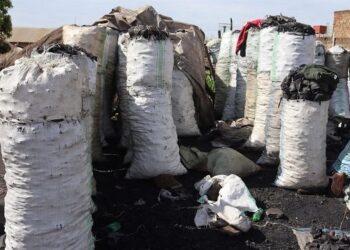
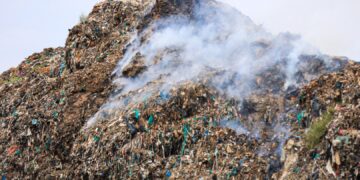
Uganda is at a critical point in its environmental journey. Rapid urbanization, population growth, industrial expansion and changing consumption patterns have significantly increased the amount of waste generated across the country. From bustling cities such as Kampala to emerging municipalities and rural trading centres, waste has become one of the most visible environmental challenges. Piles of uncollected garbage, plastic waste choking drainage channels, indiscriminate dumping in wetlands and open burning of waste have become common sights. These realities underscore one undeniable fact Uganda urgently needs a comprehensive national waste management plan.
A national waste management plan is a strategic roadmap that provides clear guidance on how waste should be prevented, collected, sorted, transported, recycled, treated and safely disposed of. It outlines the roles of government institutions, local authorities, the private sector, communities and households while establishing measurable targets and mechanisms for monitoring progress. Without such a coordinated framework, waste management efforts remain fragmented, reactive and insufficient to meet the country’s growing environmental demands.
One of the greatest challenges facing Uganda is the increasing generation of plastic waste. Plastic products, particularly single-use plastics have become part of everyday life because they are cheap, lightweight and convenient. Unfortunately, many of these products are used for only a few minutes but remain in the environment for hundreds of years. Poor waste collection systems mean that much of this plastic ends up in drainage channels, rivers, wetlands, agricultural land and eventually Lake Victoria and other water bodies. During heavy rains, blocked drainage systems contribute to flooding that destroys homes, businesses, and public infrastructure while increasing the risk of waterborne diseases.
The absence of a coordinated waste management strategy also has significant public health implications. Uncollected waste attracts rodents, flies and mosquitoes that spread diseases such as cholera, typhoid and dysentery. Open dumping and the burning of waste release harmful pollutants into the air, exposing nearby communities to respiratory illnesses and other health complications. Informal waste pickers who play a crucial role in recovering recyclable materials often work in unsafe conditions without adequate protective equipment or recognition within the formal waste management system. A comprehensive waste management plan would help address these risks by promoting safer waste handling practices and strengthening public health protections.
Environmental degradation is another consequence of poor waste management. Uganda’s wetlands, forests and water bodies continue to face increasing pressure from illegal dumping and pollution. Wetlands which naturally filter water, regulate floods and provide habitats for wildlife are increasingly being used as dumping grounds for municipal waste. This compromises their ecological functions and weakens the country’s ability to adapt to climate change. Likewise, plastic pollution affects agricultural productivity by degrading soil quality and threatening livestock that accidentally consume plastic waste. A national waste management plan would strengthen environmental protection by identifying environmentally sensitive areas, improving waste collection systems and promoting proper disposal methods.
Government spends substantial resources responding to floods, cleaning polluted urban areas, treating waste-related diseases and repairing damaged infrastructure. At the same time, valuable materials that could be recycled into new products are lost because of inadequate waste segregation and recycling systems. Waste should not simply be viewed as rubbish but as a resource that can create jobs, generate income and contribute to economic growth. Recycling, composting organic waste, producing biogas and manufacturing products from recovered materials all present opportunities for green businesses and employment, particularly for young people and women.
A well-designed national waste management plan would also support Uganda’s transition towards a circular economy. Unlike the traditional “take, make, and dispose” model, a circular economy keeps materials in use for as long as possible through reuse, repair, recycling, and recovery. Such an approach reduces pressure on natural resources, lowers greenhouse gas emissions, and promotes sustainable production and consumption. Countries that have invested in circular economy strategies have demonstrated that waste can become an engine for innovation and inclusive economic development rather than an environmental burden.
Importantly, a national waste management plan would provide clarity on institutional responsibilities. Waste management in Uganda currently involves multiple actors, including central government ministries, local governments, the National Environment Management Authority, the National Water and Sewerage Corporation, private waste collectors, and community organisations. However, overlapping mandates, limited coordination, and inadequate financing often undermine effective service delivery. A comprehensive plan would establish clear roles, strengthen collaboration, improve accountability and ensure that investments are aligned with national priorities.
Many local governments struggle with limited budgets for waste collection, transportation, and disposal. As a result, waste management services are often inconsistent or unavailable in rapidly growing urban centres having a national waste management plan would provide a framework for mobilising sustainable financing through public investment, private sector participation, producer responsibility schemes and development partnerships. This would enable the expansion of waste collection infrastructure, recycling facilities, engineered landfills and community awareness programmes.
Public participation must also be at the heart of Uganda’s waste management strategy. Effective waste management begins at household level through waste reduction, segregation, reuse and responsible disposal. Communities, schools, religious institutions, businesses and civil society organisations all have an important role in promoting behavioural change and environmental stewardship. A national plan should therefore prioritise environmental education and awareness campaigns that empower citizens to become active participants in building cleaner and healthier communities.
The recent directive by Parliament’s Committee on Natural Resources and Environment requiring the Ministry of Water and Environment to develop a comprehensive waste management plan demonstrates growing recognition that Uganda cannot continue addressing waste challenges through piecemeal interventions. The country needs a long-term, coordinated strategy that responds to current realities while preparing for future environmental and demographic pressures.
Uganda has committed itself to achieving the Sustainable Development Goals, implementing the Paris Agreement on climate change, and protecting its rich biodiversity. Achieving these commitments will require stronger systems for managing waste, reducing pollution, and promoting resource efficiency. A comprehensive national waste management plan would not only improve environmental governance but also strengthen public health, create green jobs, attract investment, enhance climate resilience and improve the quality of life for millions of Ugandans.
The question is no longer whether Uganda needs a national waste management plan. The evidence is overwhelming. The real question is how quickly government, Parliament, local authorities, the private sector and citizens can work together to develop and implement one. Every day of delay allows more waste to accumulate, more ecosystems to degrade and more economic opportunities to be lost. Investing in a comprehensive waste management plan today is an investment in a cleaner, healthier, more resilient and more prosperous Uganda tomorrow.
The writer, Ainembabazi Shallon is a Programs officer, Women for Green Economy Movement (WOGEM) Uganda.