













KYIV
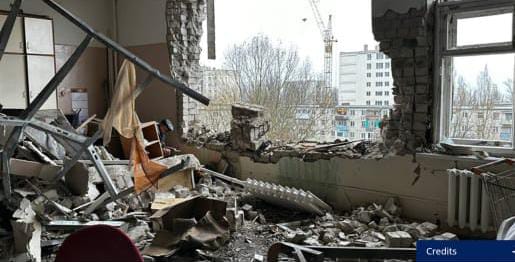
Ukraine endured its highest number of assaults on health care in 2025, with attacks rising nearly 20% compared to the previous year, according to the World Health Organization (WHO). As the war enters its fifth year, the toll on hospitals, clinics, medical workers, and patients has reached unprecedented levels.
Since Russia’s full-scale invasion began on 24 February 2022, WHO has documented at least 2,881 attacks on health care across Ukraine. These incidents have killed 233 health workers and patients, injured 930, and severely disrupted medical supply chains. The organization stressed that such attacks constitute violations of international humanitarian law.
“After four years of war, health needs are increasing, but many people are unable to get the care they need, in part because hospitals and clinics are routinely attacked,” said WHO Director-General Dr Tedros Adhanom Ghebreyesus. “Ultimately, the best medicine is peace.”
Escalating Crisis
The situation worsened in 2025, particularly in the third quarter, when 184 attacks claimed 12 lives and injured 110 people. Medical warehouses were hit three times more often than in 2024, crippling logistics and access to essential medicines. WHO’s December 2025 assessment found that 59% of people in frontline areas reported their health as poor or very poor, compared to 47% in non-frontline regions.
Dr Hans Henri P. Kluge, WHO Regional Director for Europe, highlighted the staggering mental health burden: 72% of Ukrainians experienced anxiety or depression last year, yet only one in five sought help. Cardiovascular disease is also surging, with one in four people suffering dangerously high blood pressure. “This is not abstract,” Kluge said. “It’s a heart patient who can’t find medication, an amputee waiting months for a prosthetic, a teenager too afraid to leave the house.”
Winter Hardships
The destruction of energy infrastructure has compounded the crisis. Strikes on power plants left millions without heating, electricity, or water during the harshest winter since the war began. In Kyiv, a January 2026 attack left nearly 6,000 buildings without heat, forcing an estimated 600,000 residents to flee the capital.
Dr Jarno Habicht, WHO Representative to Ukraine, described a “devastating cycle” of repeated strikes and repairs. “Behind every system breakdown are families and health-care workers who must keep saving lives while their own homes are without heat, water, or electricity,” he said.
Growing Health Needs
War-related trauma injuries have driven demand for surgery, blood products, infection control, and rehabilitation. Yet access to rehabilitation remains severely limited: only 4% of hospitals provide inpatient rehabilitation, and just 3% offer assistive technologies such as prosthetics. Medicines are also scarce, with four out of five people reporting difficulties, primarily due to high prices and closed pharmacies in frontline regions.
WHO’s Response
Despite the challenges, WHO reached 1.9 million people in 2025 through medical supplies, service delivery, referrals, and training. Its efforts included:Delivering trauma care and supplies to 954 facilities, Supporting over 1,200 medical evacuations,Running outreach in 131 hard-to-reach locations, Training more than 2,500 health workers, Providing 284 generators to health facilities across 23 oblasts.
For 2026, WHO is appealing for US$ 42 million to sustain its operations and protect access to care for 700,000 people.