












By Leonard Kamugisha Akida,
NATIONAL
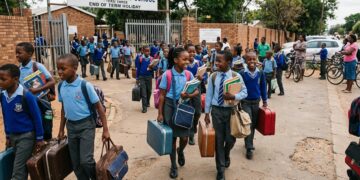
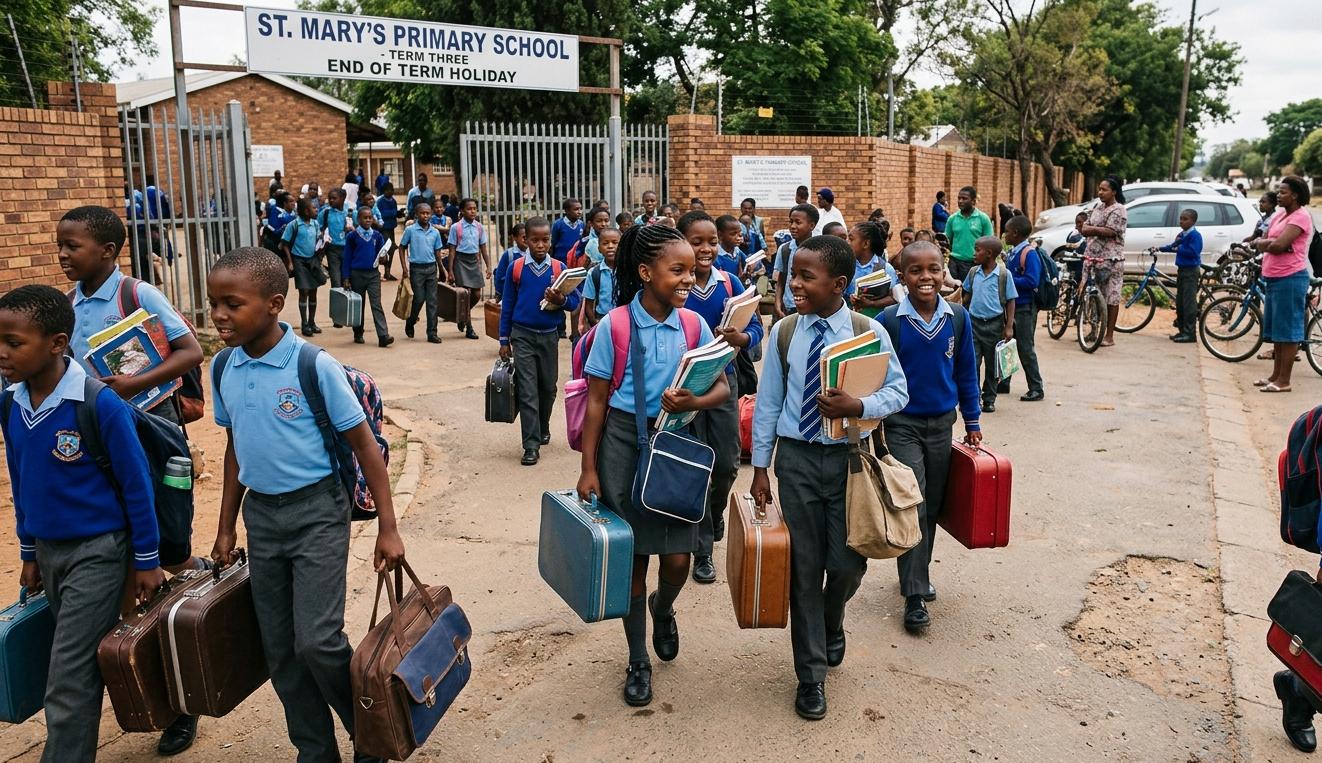
As school gates prepare to close for the first term break next week, the Ministry of Education and Sports has issued a strong appeal to parents to take full responsibility for their children, warning that the three-week holiday period exposes learners to risks such as abuse, indiscipline and teenage pregnancy.
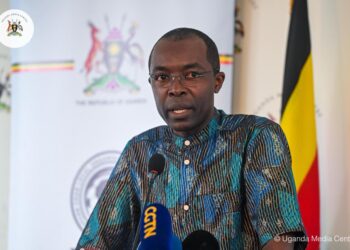
Addressing the media ahead of the closure of Term One on May 1, State Minister for Primary Education, Dr Joyce Moriku Kaducu, said the three-week holiday period places children fully under parental care, making guidance and supervision critical. She called for holistic nurturing to safeguard learners from social and moral risks.
“Our children will soon be fully under your custody for a period of three weeks. We are kindly requesting you, the parents, to take full responsibility and nurture them in a holistic manner,” Kaducu said.
The first term of the 2026 school calendar, which began on February 10, has run for 89 days, with the ministry reporting a smooth academic period marked by stable learning, disciplined learners and minimal disruptions.
Kaducu urged parents to actively engage children in constructive home activities, while instilling values, discipline and life skills.
“Parents must pay special attention to the girl child to prevent teenage pregnancies and early marriages, most of which occur under their watch at home,” she said.
She added that the boy child should equally be guided on reproductive health, with emphasis on abstinence and responsible behaviour.
The minister further cautioned parents to monitor children’s use of mobile phones and social media, noting that unchecked access exposes them to harmful content.
“Be the gatekeepers. Ensure that children handle media with maximum discipline,” she said, while also encouraging families to reinforce religious, cultural and moral values.
The appeal comes against the backdrop of worrying child abuse statistics highlighted in the 2025 Annual Crime Report by the Uganda Police Force. The report recorded 10,492 defilement cases in 2025, down from 12,312 cases in 2024, representing a 14.8 per cent decrease.
However, the figures remain high, with 10,323 of the victims being female juveniles. Children aged 15–17 years were the most affected, accounting for 7,750 cases.
The report also revealed that some perpetrators were within children’s circles of trust, including teachers, guardians and parents.
“191 children were defiled by suspects known to be HIV-positive. In addition, 94 pupils were defiled by teachers, 23 students by teachers, 65 children by their guardians, and 40 children by their parents. The report also notes that 55 victims were children with disabilities, while 10,025 victims were defiled by other perpetrators,” the report revealed.
Kaducu emphasized that such trends underscore the need for vigilance at household level during school holidays.
Meanwhile, the ministry warned schools against conducting holiday teaching, stating that it contravenes existing regulations.
“Our laws and guidelines do not provide for holiday teaching and coaching. Chief Administrative Officers and Town Clerks must ensure compliance,” she said.
School administrators were also directed to use the break to improve facilities, especially in boarding sections, to meet minimum standards on sanitation, accommodation, fire safety and lightning protection.
The ministry commended education stakeholders, including teachers, school administrators and government, for ensuring a successful first term.
Term Two is scheduled to begin on May 27 and will run until August 21, also spanning 89 days.