











By Leonard Kamugisha Akida,
NATIONAL
The failure to roll out a national school feeding policy in Uganda has left millions of pupils without reliable meals, nearly two years after the government pledged to take responsibility for feeding learners.
In 2024, Education Minister Janet Kataha Museveni announced that the government would feed more than 9.2 million pupils in 12,551 public schools. The plan, she said, would be incorporated into the national budget for the 2025/26 financial year, shifting the burden from parents to the state.
 But the programme has yet to materialise.
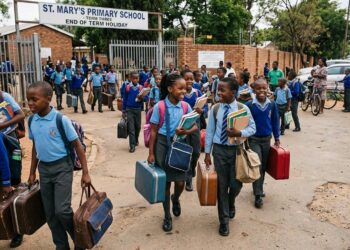
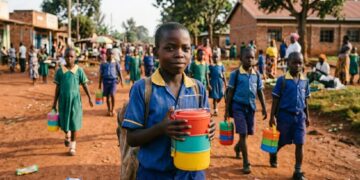
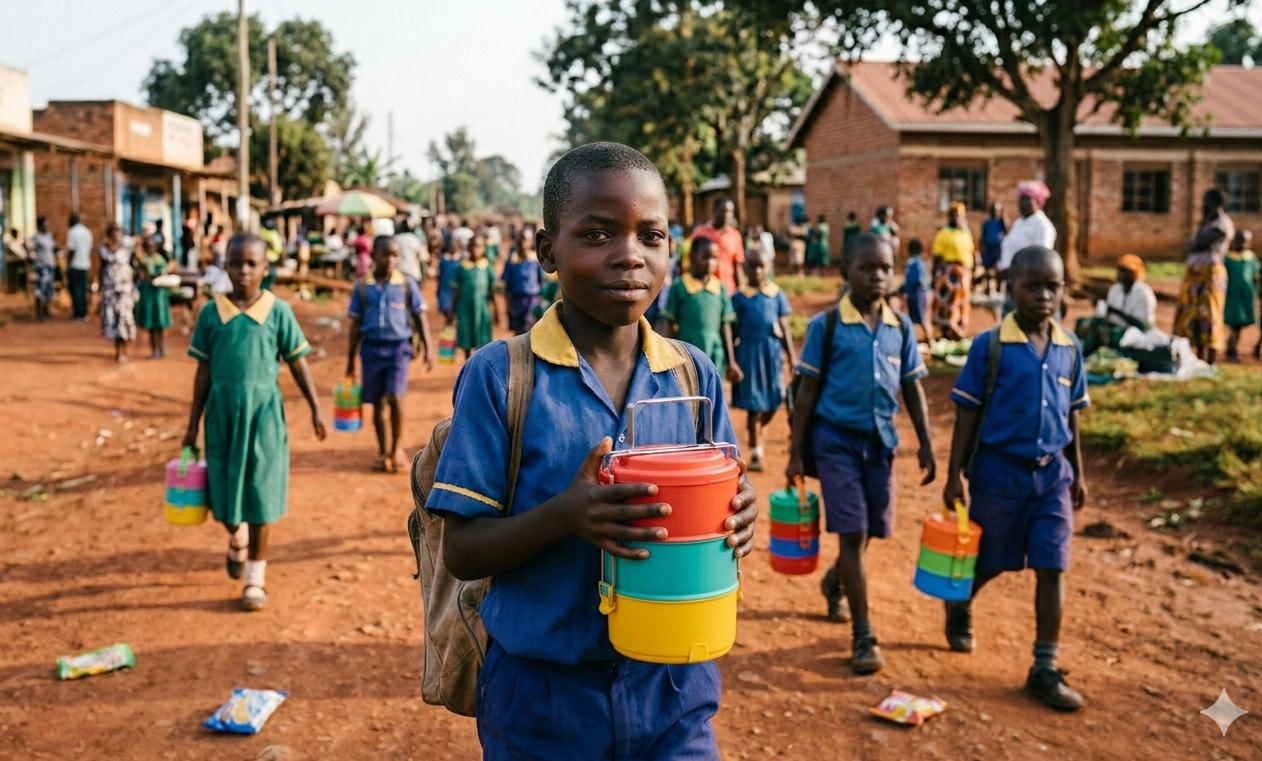
Across the country, many parents continue to struggle to provide daily meals for their children, with pupils often relying on cold packed food, locally known as “entanda”. Health concerns have been raised over the safety and nutritional value of such meals, especially when stored for long periods without proper facilities.
The Ministry of Education had also said it would digitise school feeding systems and issue guidelines to schools. However, there is little evidence of progress on either front.
Officials now say the absence of a formal policy framework has stalled implementation.
“When there is no policy, you cannot hold government accountable and responsible,” said Joyce Moriku Kaducu, the state minister for primary education.
Dr Kaducu said work on a National School Feeding Policy was ongoing, and that its completion would provide clarity on the government’s role and obligations.
“We are working on the policy, and once it is in place, it will automatically address concerns regarding school feeding,” she said.
In the meantime, the cost of feeding pupils remains a major challenge for families. Estimates suggest that providing meals in primary schools can cost up to 3,000 Ugandan shillings per child per day in government day schools, and about 5,000 shillings in private institutions with boarding sections.
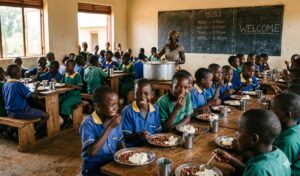
Several reports indicate that many households cannot afford these costs, leaving children to attend school hungry or without food.
Education and nutrition experts warn that the delays risk undermining learning outcomes and widening inequality.
“No child should spend a whole day at school without a meal,” said Anitah Komujuni, a kindergarten teacher in Kampala.
Nutritionist Connie Karanzi said school feeding should be seen as a long-term investment rather than charity.
“Hunger impairs concentration, memory, and participation within hours,” she said. “For many learners, this is the only guaranteed nutritious meal of the day.”
She added that effective feeding programmes could improve attendance and help tackle malnutrition, particularly among children from low-income families.
Experts argue that without urgent action, the gap between policy promises and reality could continue to leave millions of Uganda’s schoolchildren at risk.