








NATIONAL
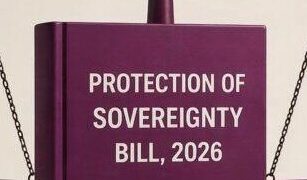
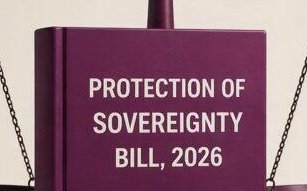
The Justice Forum (JEEMA) has called on Parliament to withdraw the controversial Protection of Sovereignty Bill, 2026, arguing that the proposed law threatens civil liberties and criminalizes the Ugandan diaspora.
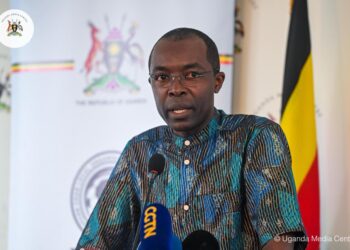
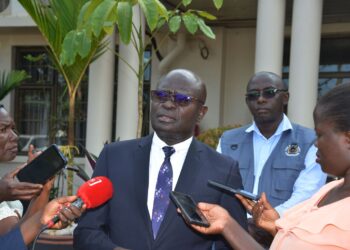
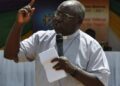
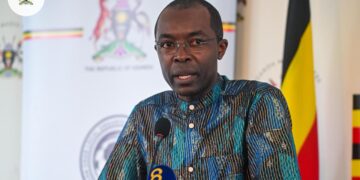
In a press statement issued Thursday, April 23, JEEMA spokesperson Dr. Swaib Kaggwa Nsereko urged the government to instead operationalize Article 17(2) of the 1995 Constitution, which mandates military training for all able-bodied citizens to defend the country.
”The Bill does not protect Uganda’s sovereignty. It threatens civil liberties, criminalizes the diaspora with billions as fine, and distracts from real security gaps,” Dr. Nsereko stated.
Key Criticisms
The party’s opposition comes as the Committee on Defence and Internal Affairs, alongside the Legal and Parliamentary Affairs Committee, continues to gather stakeholder input. The Bill, moved by Internal Affairs Minister Gen. David Muhoozi on April 15, seeks to:
Limit foreign influence in government matters.
Mandate prior ministerial approval for entities receiving over Shs400 million in foreign funding.
Impose sentences of up to 20 years for non-compliance.
JEEMA argues that “real sovereignty is not built by policing citizens, but by preparing them.” The party claims the government has deliberately left Article 17(2) redundant for 30 years, failing to provide the necessary facilities for national civic-military programs.
The Proposed Alternative
Instead of the “restrictive” Bill, JEEMA is proposing a National Civic Defence Program. This alternative would be:
Voluntary and community-based: Focused on constitutional literacy.
Skill-oriented: Including first aid, disaster response, and cyber security.
Inclusive: Engaging the diaspora through embassies rather than criminalizing their financial contributions.
”If there’s genuine fear of external money, the answer is not to ban money. The answer is to build citizens so grounded in constitutional values that their loyalty cannot be bought,” the statement read.
Stakeholder Consultations
The joint committee, today heard from other civil society actors, including Dr. Sarah Birete, FIDA, and FOWODE, as Parliament scrutinizes the Bill’s impact on national interests and democratic space.
The Bill remains under intense debate, with critics warning it could be used to stifle NGOs and political actors, while proponents insist it is a necessary shield against foreign interference.