








By Leonard Kamugisha Akida,
KAMPALA
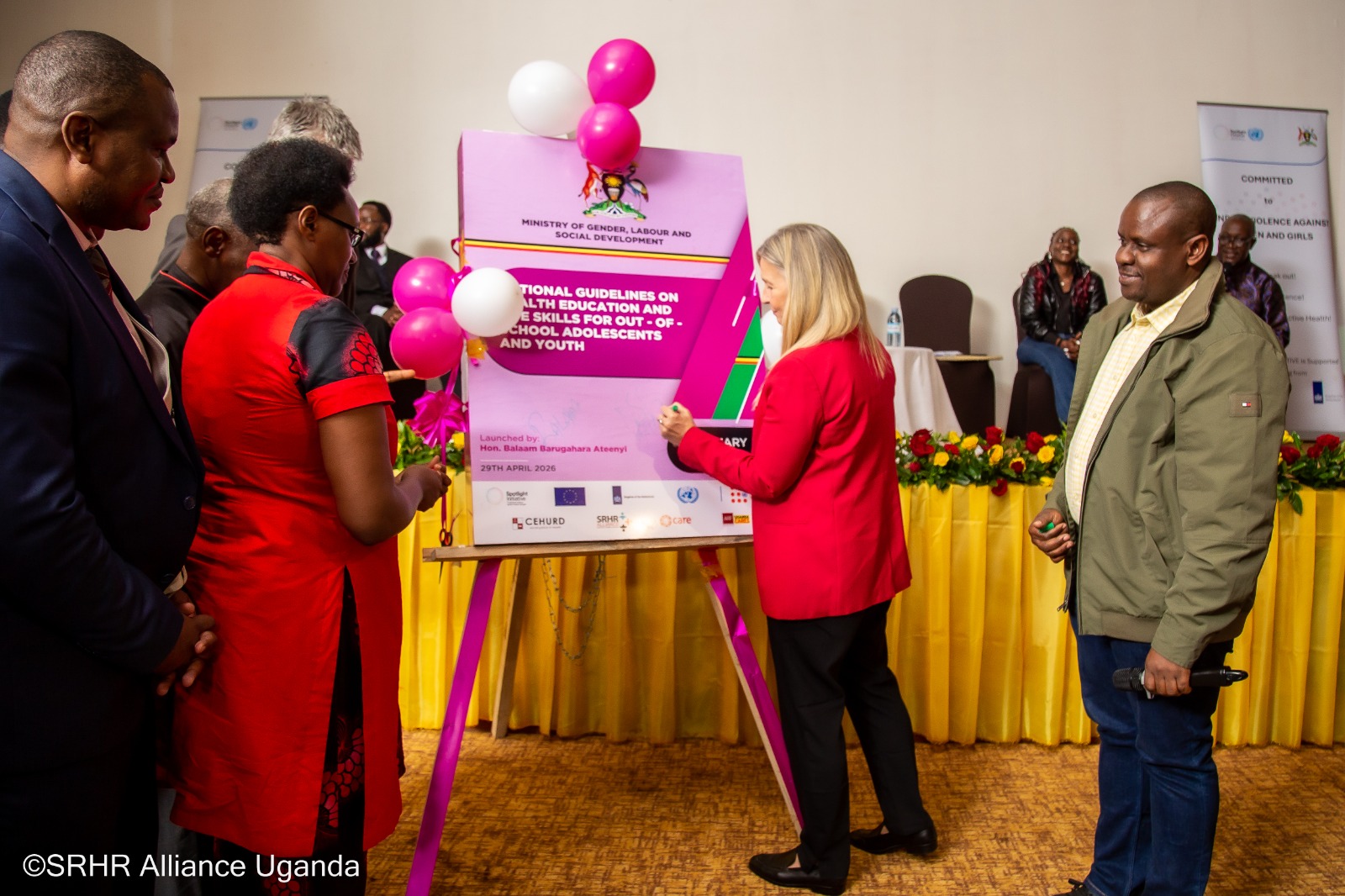
The Ministry of Gender, Labour and Social Development has launched national guidelines aimed at providing structured sexual and reproductive health education and life skills training to millions of out-of-school adolescents and youth across the country.
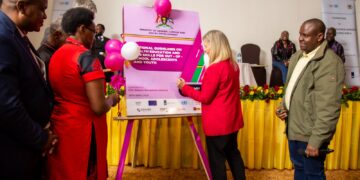
The policy document, titled National Guidelines on Health Education and Life Skills Training for Out-of-School Adolescents and Youth, was unveiled on Wednesday at Kabira Country Club in Bukoto, targeting an estimated three million young people outside the formal education system.
Officials said the guidelines seek to address growing vulnerabilities among young people who lack access to accurate information on sexual and reproductive health, mental health, nutrition and livelihood skills.
According to the 2024 Uganda Bureau of Statistics census report, Uganda has a predominantly youthful population, with 73.2 per cent below the age of 30. More than half (50.5 per cent) are aged 17 and below, while 22.7 per cent are youth aged 18 to 30.
However, the report indicates that 67 per cent of young people are out of school, with many failing to complete primary education and over half (51%) neither in employment nor training.
Patience Namanya, the Sexual and Reproductive Health Rights (SRHR) coordinator at the ministry, said the statistics highlight urgent gaps in access to information and services.
“Out-of-school adolescents and youth lack structured and accessible health education and life skills, leaving them vulnerable to risks such as teenage pregnancy, substance abuse and unemployment,” Namanya said.
She added that the guidelines promote a multi-sectoral approach involving communities, schools, health systems and families, while also calling for renewed focus on empowering both girls and boys.
“We must bring the boy child on board to sustain the gains made in empowering the girl child,” she said.
The guidelines provide for age-appropriate and culturally sensitive content on sexual and reproductive health, HIV prevention, mental health, nutrition, financial literacy and pathways back to formal education or vocational training.
The State Minister for Gender, Youth and Children Affairs, Balaam Barugahara Ateenyi, described the document as a milestone but cautioned that its success will depend on implementation.
“We should stop launching policies and leaving them on paper. What matters now is action to ensure these guidelines benefit the intended young people,” he said.
He noted that adolescents face multiple challenges including HIV infections, teenage pregnancies, drug abuse and poor nutrition, which require coordinated intervention.
Uganda continues to grapple with high teenage pregnancy rates, with 24 per cent of girls aged 15 to 19 having begun childbearing, according to the 2022 Uganda Demographic and Health Survey.
The United Nations Population Fund (UNFPA) country director, Kristine Blokhus said the guidelines present an opportunity for Uganda to harness its demographic dividend, warning that failure to invest in young people could undermine national development.
“This is more than a policy document; it is a milestone in addressing vulnerabilities facing young people. Without deliberate investment, the demographic dividend will remain a missed opportunity,” Blokhus said.
She emphasised that comprehensive sexuality education does not encourage early sexual activity but instead promotes safer and more informed decision-making among adolescents.
Civil society organisations welcomed the guidelines, saying they will provide a long-awaited framework to guide interventions targeting out-of-school youth.
Margaret Nanyombi, Programmes Manager at SRHR Alliance Uganda, said the absence of a standardised document had previously limited outreach efforts.
“These guidelines will help ensure young people receive accurate information and support to make informed choices about their health and future,” she said.
She called for translation of the document into local languages to enhance accessibility among communities, parents and cultural leaders.
Religious leaders also urged collective responsibility in implementation. Reverend Nathan Mugalu of the Church of Uganda called on faith and cultural institutions to embrace the guidelines, saying they play a key role in shaping societal values.
Development partners, including the Embassy of the Kingdom of the Netherlands, underscored the need for evidence-based approaches to reduce teenage pregnancies, child marriages and gender-based violence.
“We have to invest in human capital of this country and we have to ensure that people are healthy that people can make informed choices and that they don’t become a victims,” said Bouwe-Jan Smeding, the Deputy Head of Mission of the Embassy of the Kingdom of the Netherlands.
Officials said the next phase will focus on rolling out the guidelines through local governments, youth centres, community structures and civil society organisations to ensure nationwide impact.