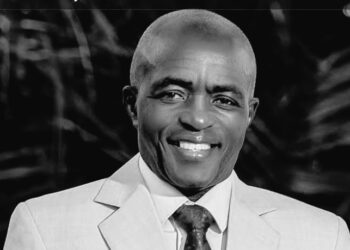












New details have emerged regarding the final moments of celebrated Catholic hymn writer John Bosco Kazoora, who passed away on Monday May 4.
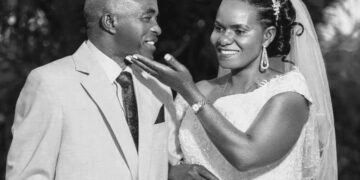
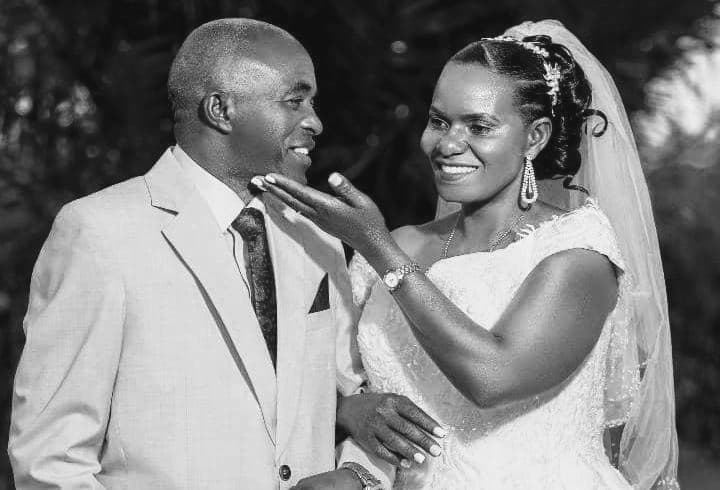
According to family sources, the 64-year-old composer was in high spirits as recently as Sunday, at a relative’s wedding where he performed his final liturgical duties. It was there, amidst the celebration, that he led the liturgy during the nuptial Mass, unaware that it would be his final public ministry.
His health took a sharp and sudden decline the following morning as one of his sons recounted the harrowing hours leading up to the maestro’s death at his home.
“We were with him at a relative’s wedding yesterday (Sunday), where he led the liturgical music during Mass. He wasn’t feeling unhealthy until Monday morning,” the son said.
Alarmed by his condition, the family summoned his personal physician from Ibanda to attend to him. The doctor arrived to find Kazoora battling severe vomiting and high blood sugar levels.
Despite immediate medical intervention, the situation moved faster than the treatment could take effect. The physician had placed the composer on medication to stabilize his sugar levels and was assessing him for a potential emergency referral to a larger medical facility.
“The doctor put him on medication to regulate sugar levels… but he was vomiting, and shortly, he died before even the medication was finished,” his son added.
The revelation underscores the aggressive nature of the diabetes-related complications that claimed the life of a man whose music has been the cornerstone of the Mbarara Archdiocese for decades.
The International Diabetes Federation (IDF) regards Uganda as one of the 48 countries in the African region with a growing diabetes-related health issue.
According to the IDF, around 716,000 Ugandan adults were living with diabetes in 2021. Worryingly, about 89% of them are either unaware of their condition or not receiving treatment, often presenting to healthcare facilities only after developing complex, challenging-to-treat complications.
“Early detection is paramount,” explains Dr. Francis Xavier Kasujja, lead author of the study and a researcher at Makerere University. “The longer diabetes goes undiagnosed, the greater the risk of severe health consequences, placing a further strain on already burdened healthcare systems.”
Uganda has a diabetes prevalence of 7.4 percent and a pre-diabetes prevalence of 8.6 percent, according to the Uganda Diabetes Association (UDA). The average age of diabetic Ugandans is 35 years, way below that of high-income countries where most diabetic people are above the age of 60 years.
Additionally, the World Health Organization estimates that diabetes was the direct cause of 1.5 million deaths globally in 2019.
Diabetes affects approximately 537 million adults globally, according to the International Diabetes Federation, with Africa, with the world’s highest percentage of undiagnosed cases, at an estimated 55%. The IDF projects the global number of people with diabetes will rise to 643 million by 2030.
Kazoora will be interred this Thursday, May 7, in Kabagoma Village, Ibanda District.