












KAMPALA
Government has signaled a retreat on the controversial Protection of Sovereignty Bill, even as sharp divisions emerged among legislators and fresh questions arose over the drafting and tabling of the proposed law.
Speaking on Monday morning, Government Chief Whip Denis Hanson Obua said Cabinet was in the final stages of harmonising the Bill following guidance from President Yoweri Kaguta Museveni and consultations with key stakeholders.
“Government is in the final stages of harmonising the Bill following guidance from the President and consultations involving Cabinet, the Attorney General, the Ministry of Internal Affairs, and parliamentary leadership, while also taking into account public concern,” Obua said.
The development follows a public statement by the President distancing himself from the version of the Bill currently before Parliament, saying it was “not the Bill he initiated”, a declaration that has triggered concern over possible irregularities in the legislative process.
The Protection of Sovereignty Bill, tabled in mid-April by the Ministry of Internal Affairs, seeks to regulate foreign funding, external influence, and activities deemed to undermine Uganda’s national sovereignty. However, it has drawn widespread criticism from civil society, opposition groups, and sections of the public over its potential impact on civil liberties and civic space.
Last week, joint committees of Parliament on Defence and Internal Affairs, and Legal and Parliamentary Affairs, heard submissions from stakeholders, with the majority reportedly opposing the Bill in its current form.
Tensions escalated on Sunday during a meeting at Speke Resort Munyonyo, where legislators clashed over the handling of stakeholder views. The meeting, intended to consolidate feedback from public consultations, descended into chaos after a section of MPs protested what they described as attempts to fast-track adoption of a revised government position.
Erute South MP Jonathan Odur led dissenting legislators, insisting on a clause-by-clause review of submissions from civil society, legal experts and the public.
Odur argued that bypassing detailed scrutiny would undermine the integrity of the legislative process and erode public trust in Parliament.
Despite the objections, the majority of committee members adopted the Attorney General’s amended report in a 22–11 vote, setting the stage for a heated debate when the Bill returns to the House.
Opposition legislators have since indicated plans to table a minority report, citing concerns that critical views raised during public hearings including the Bill’s potential effects on NGO financing, diaspora remittances, and constitutional freedoms such as association and expression, were sidelined.
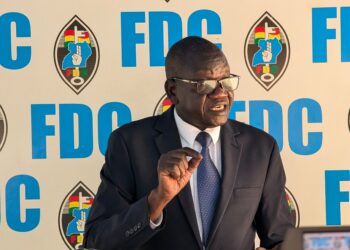
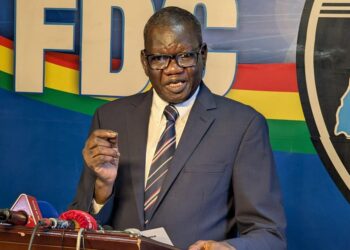
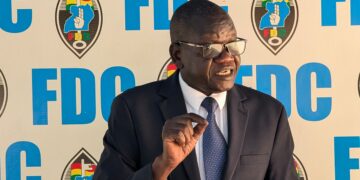
Meanwhile, Forum for Democratic Change (FDC) president Patrick Oboi Amuriat has called for the withdrawal of the Bill, arguing that the President’s public disowning of the draft raises serious accountability questions.
Amuriat questioned who altered the Bill and authorised its tabling, saying the development points to possible failures within the Attorney General’s chambers, the Ministry of Internal Affairs, or Cabinet.
He also criticised the manner in which the President communicated his position, noting that any guidance on a Bill formally before Parliament should follow established legislative procedures rather than informal channels.
The Bill is expected to return for its second reading on Tuesday, with observers anticipating a highly contested session as lawmakers weigh competing pressures from government, opposition, and public opinion.
The outcome is likely to test Parliament’s independence and its responsiveness to growing public concern over governance, accountability, and the protection of fundamental rights.