










By Leonard Kamugisha Akida,
KAMPALA
A growing number of young Ugandans are abandoning agriculture, raising fresh concerns about the country’s ability to sustain food production despite billions injected into the sector under the Parish Development Model (PDM).
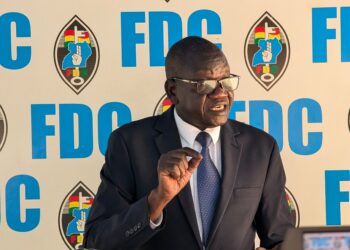
Edward Katende, the executive director of Uganda Development Forum, warned that although government has disbursed sh100m to each of the country’s 10,594 parishes in the past four to five years, uptake and transformation into viable enterprises remain low, especially among the youth.
“Young people who constitute over 70% of our population are abandoning agriculture as a livelihood, perceiving it as neither modern nor profitable,” Katende said. “Without deliberate intervention, Uganda risks losing an entire generation of potential agro-preneurs.”
Katende attributed the trend to persistent structural barriers, including fragmented land holdings, limited access to quality inputs, weak post-harvest infrastructure and a financial system that has historically excluded smallholder farmers from credit.
He noted that while PDM has improved access to capital, lack of farmer education, enterprise selection guidance and market linkages has hindered effective utilisation of the funds.
“The result is a paradox, a fertile, agricultural-rich nation where rural poverty persists,” he said.
According to Katende, millions of eligible households remain unaware or unable to access government programmes, while those who receive funds often lack the skills to convert them into sustainable businesses.
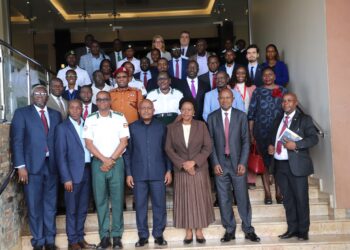
In response, a coalition comprising the Uganda Development Forum, Uganda National Farmers Federation (UNFFE), the PDM Secretariat, Operation Wealth Creation (OWC) and local governments has rolled out a parish-level intervention aimed at reversing the trend.
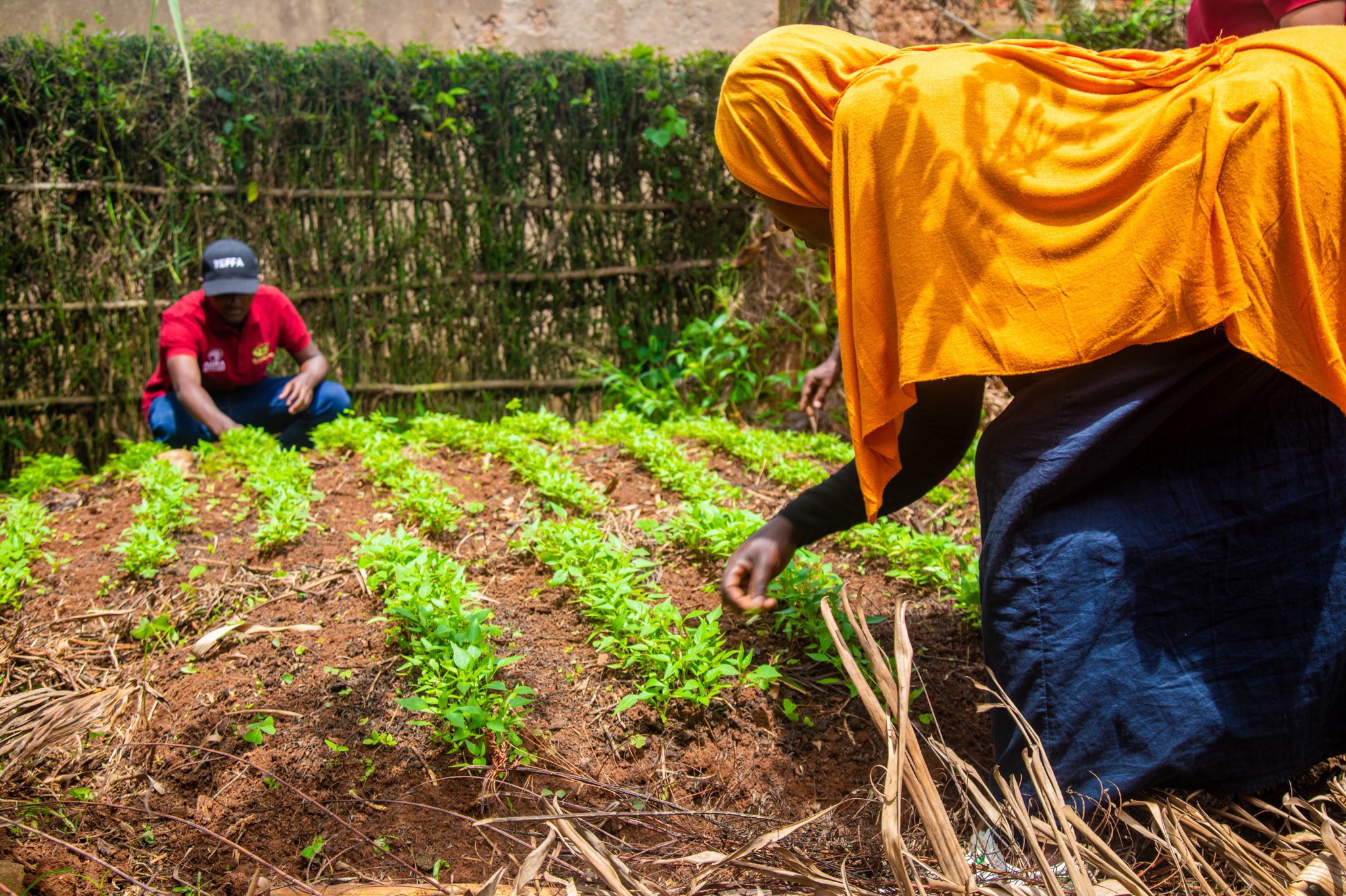
The initiative will establish practical farmer training centres in every parish, where farmers, especially youth, will receive hands-on training, enterprise selection support and exposure to viable business models.
“We are shifting from giving out capital alone to providing capacity. Capital without capacity is not development,” Katende emphasised.
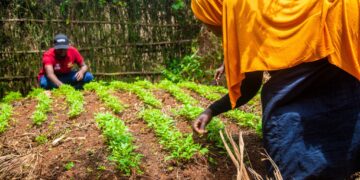
The programme will also deploy community-based facilitators to guide farmers on enterprise choices based on market demand, cost, risk and profitability, while demonstration farms will showcase what can be achieved with PDM funding.
UNFFE president Dick Kamuganga said the federation will spearhead farmer mobilisation and capacity building across the country to ensure smallholders transition into commercial farming.
“We shall empower farmers with skills and ensure they access quality inputs and markets,” Kamuganga said.
The coalition is also banking on youth-targeted interventions through presidential skilling hubs to equip young people with modern agricultural and agro-processing skills, alongside access to start-up capital and mentorship.
Katende said evidence shows that youth who receive integrated support skills, capital and market access are more likely to succeed than those given funds alone.
Officials say the upcoming National Agriculture Show in Jinja City will showcase success stories and innovations aimed at repositioning agriculture as a profitable venture for young people.
However, analysts warn that unless the perception of agriculture changes and structural bottlenecks are addressed, Uganda may struggle to attract youth back to the sector, jeopardising long-term food security and economic growth.