







KAMPALA
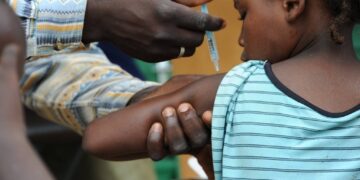
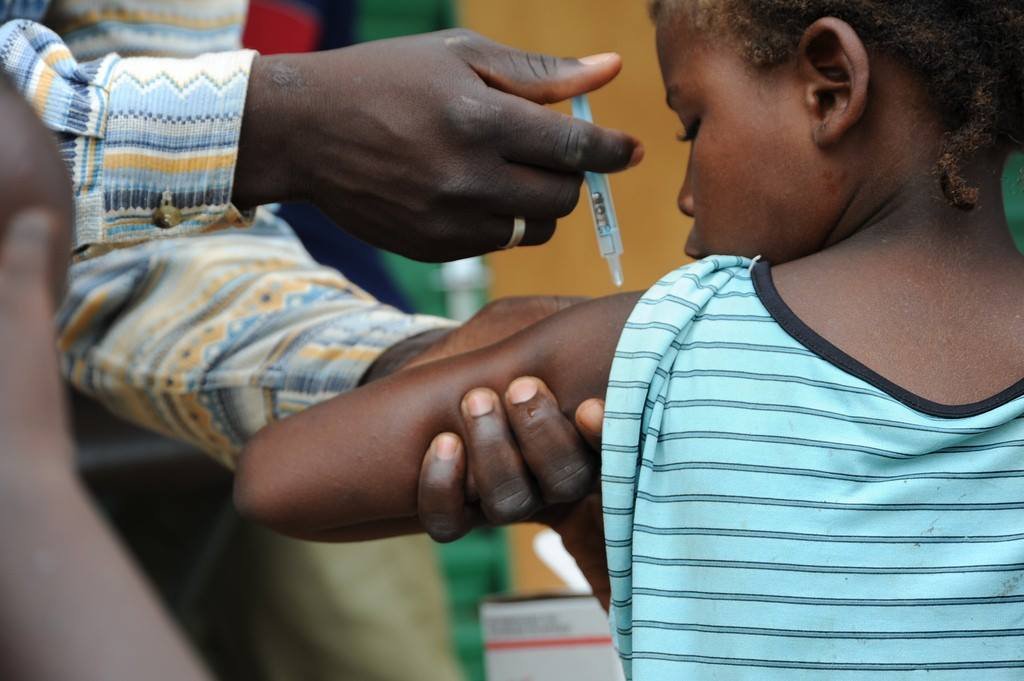
The Ministry of Health has announced a nationwide Measles-Rubella (MR) immunisation campaign scheduled for October 1–5, 2026, targeting all children aged between nine and 59 months.
The five-day exercise, to be conducted with support from Gavi, the Vaccine Alliance, the World Health Organization (WHO) and UNICEF, aims to boost immunity and close gaps in protection against measles and rubella across the country.
Health officials said the campaign will cover all eligible children, including those in refugee communities, regardless of their previous vaccination status.
The exercise will be integrated into the October 2026 Integrated Child Health Days (ICHDs) to maximise reach and impact. Vaccination services will be offered free of charge at fixed, temporary and mobile posts, including health facilities, schools, outreach sites and community-based centres.
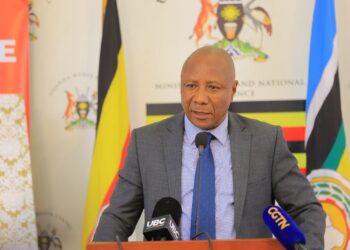
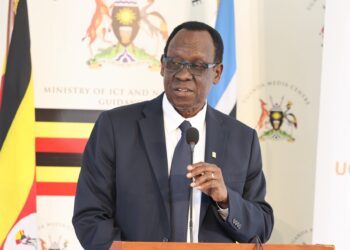
Dr Charles Olaro, the Director General of Health Services, urged parents and guardians to take responsibility for protecting their children.
“Parents and guardians, it is your responsibility to ensure that your child is fully vaccinated to prevent measles,” he said.
The ministry called on community, religious and cultural leaders, as well as health workers and organisations to intensify mobilisation efforts to ensure full coverage.
The campaign comes amid continued measles outbreaks and deaths reported in several parts of the country.
According to the ministry, 12 measles-related deaths were confirmed in 2026 in districts of Kagadi, Kikuube, Adjumani, Bulambuli and Karenga. The deaths were linked to underlying conditions such as malnutrition, delayed health-seeking and lack of vaccination.
A national risk assessment shows that nearly half of Uganda’s districts are at moderate to high risk of measles transmission.
In 2025, a total of 66 districts reported confirmed outbreaks, with more than 10,163 cases and 60 deaths recorded. Of these, 31% occurred in the Karamoja sub-region.
Between January and April 2026, outbreaks were confirmed in at least 20 districts, including Bulambuli, Kassanda, Amolatar and Kibaale among others.
Despite progress in immunisation coverage, from 79% in 2016 to 90% in 2024—Uganda remains below the 95% threshold required to stop measles transmission.
Investigations indicate that 75% of measles cases occur among children under five years, with 64% of affected children having never received the MR vaccine. About 33% had received only one dose, which health experts say is insufficient for full protection.
Health officials also cited severe malnutrition, complications such as pneumonia and diarrhoea, and delayed care-seeking as major contributors to measles-related deaths.
Olaro warned that some children who survive measles may develop severe neurological complications, including permanent brain damage.
The ministry emphasised that the upcoming campaign is critical in preventing further outbreaks and ensuring that no child is left behind.