












By Leticia Ahiriirwe,
Op_Ed
As we commemorate Labour Day, much of the world turns its attention to workers’ rights, economic progress, and the dignity of labour. Yet, for millions of women across Africa, this day highlights a persistent reality, one where their contributions remain undervalued, underpaid, or entirely invisible.
From agriculture and trade to caregiving and entrepreneurship, their labour sustains households and communities alike. However, a significant portion of this work exists in the informal sector, where protections are limited and recognition is scarce. Even more concerning is the burden of unpaid care work, which continues to fall disproportionately on women and girls, limiting their ability to participate fully in education, employment, and leadership.
From agriculture and trade to caregiving and entrepreneurship, their labour sustains households and communities alike. However, a significant portion of this work exists in the informal sector, where protections are limited and recognition is scarce. Even more concerning is the burden of unpaid care work, which continues to fall disproportionately on women and girls, limiting their ability to participate fully in education, employment, and leadership.
From agriculture and trade to caregiving and entrepreneurship, their labour sustains households and communities alike. However, a significant portion of this work exists in the informal sector, where protections are limited and recognition is scarce. Even more concerning is the burden of unpaid care work, which continues to fall disproportionately on women and girls, limiting their ability to participate fully in education, employment, and leadership.
Resilience Is Not Enough
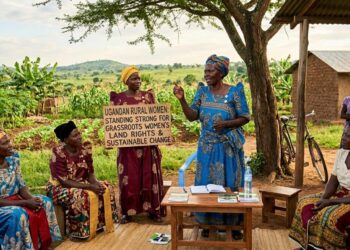
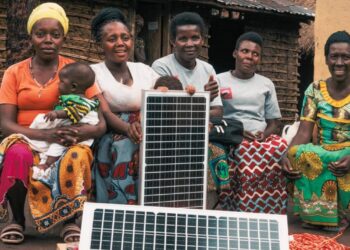
Despite these challenges, women continue to lead and innovate. Across Africa, they are driving climate action, building sustainable businesses, and transforming communities.
However, resilience should not be mistaken for equity. The fact that women continue to succeed despite barriers does not justify the existence of those barriers. What is needed is not just recognition of women’s efforts, but a commitment to dismantling the structures that limit their potential.
Call for Systemic Change
Governments must prioritize gender-responsive policies that promote decent work for women ensuring equal pay, safe working environments, access to finance, and social protection.
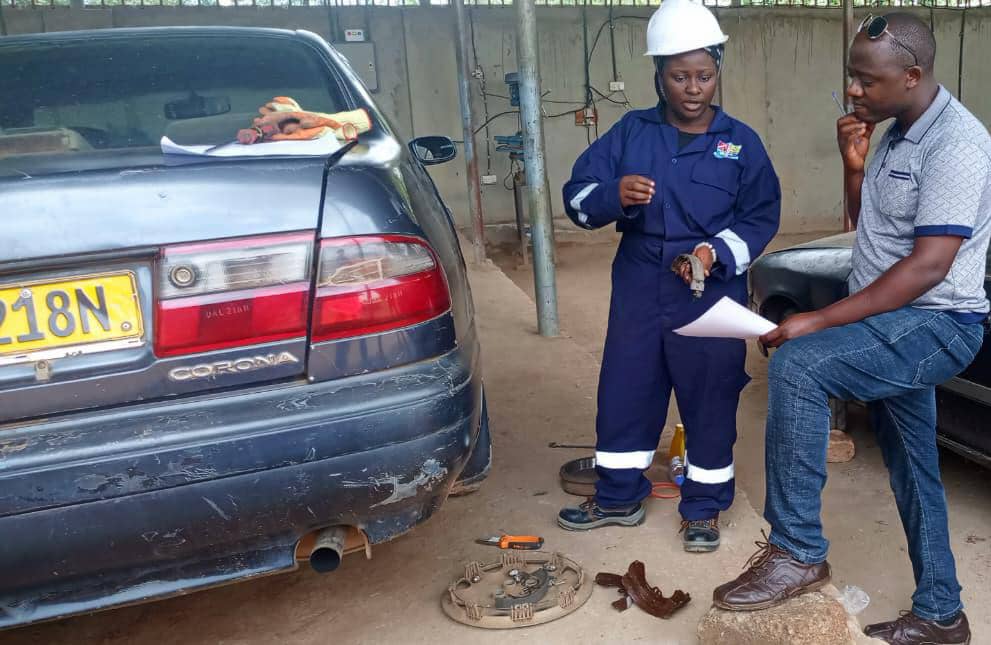
The private sector must go beyond symbolic inclusion and actively invest in women’s leadership, mentorship, and entrepreneurship. Education systems must also evolve to equip young women with practical skills, innovation capacity, and opportunities that align with the demands of today’s labour market.
Equally important is redefining what we consider “work.” Recognizing and valuing unpaid care work is essential to building inclusive economies that truly reflect the contributions of all.
From Recognition to Action
In conclusion, this Labour Day, let us move beyond symbolic recognition to meaningful action. Let us commit to building systems that do not just include women, but empower them.
Because when women thrive, economies grow, communities strengthen, and the future becomes more just, inclusive, and sustainable.
Women for Green Economy Movement Uganda.