








By Ireen Twongirwe,
LETTERS
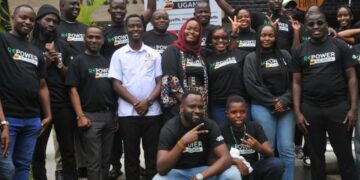
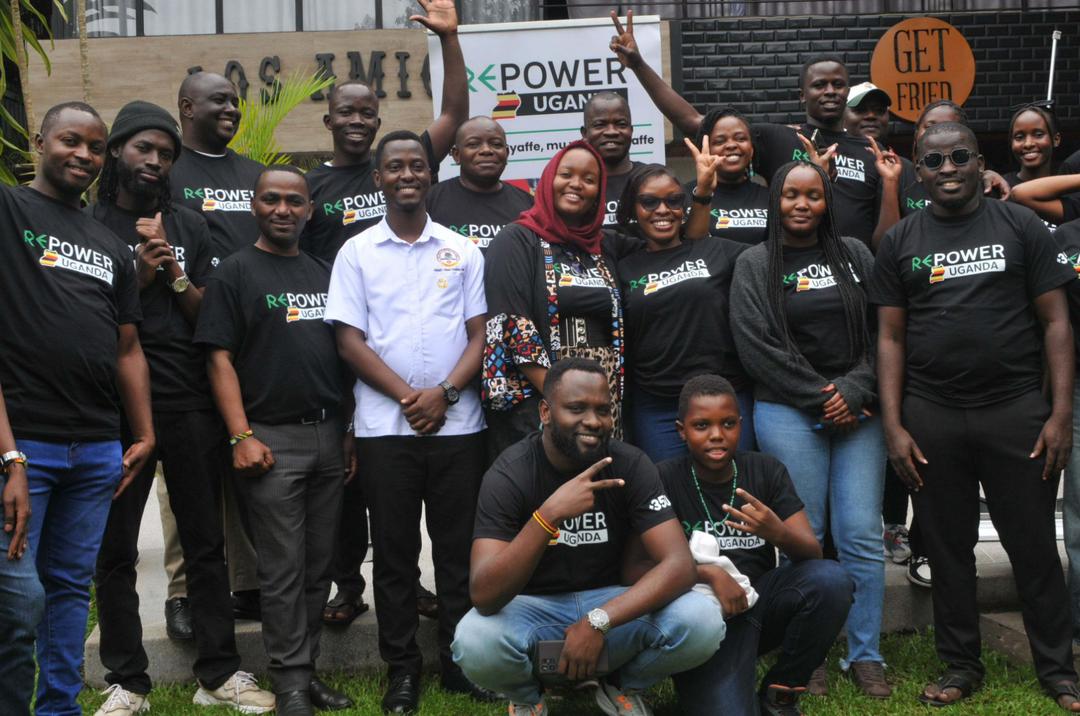
Last week, Women for Green Economy Movement (WoGEM) Uganda and other Civil Society Organizations attended a 5-day workshop organized by 350.org. This workshop was specifically for launching REPOWER UGANDA campaign and how best we can work in partnership with Private sectors, Governments especially Ministry of Energy and Mineral Development, Ministry of water and Environment among other ministerial departments. 
Uganda’ oil and gas discovery has pushed us to recognize the need to transit from fossil fuel to Green economic alternatives such as Fishing, agriculture, Renewable Energy projects that can power up our communities to end energy poverty in our communities. When oil was discovered in our country, we thought that it was going to be an economic boom for everyone especially those at grassroots where oil was discovered in their ancestral land. However, it turned to be a curse when oil companies and Governments prioritized profits over People. We need to first acknowledge that Uganda is a blessed country with endowed natural resources including gold, copper, oil and gas, sun, wind, geothermal among others. These are the opportunities we should tap into to accelerate our energy accessibility and reliability.
During the workshop, a representative from the MEMD shared opportunities that women, youth and CSOs can tap into such as the energy efficiency and conservation bill 2024 that was passed last month designed to improve how energy is used across the country by reducing waste, lowering costs, and promoting cleaner, more sustainable energy practices. The question is how the government is following up to ensure that communities at grassroots are the first beneficiaries of these subsidies since there are the most impacted by energy poverty.
More so, to achieve vision 2040 as a country we must ensure that women at grassroots are aware and there is urgent need to transit from fossil fuels to green economic alternatives and the climate and energy policies are gender centered and focused since the core goal is to increase household incomes and quality of life for all Ugandans. Why focus on women, its important to know that women play a vital role in transforming the future generations since we are care givers and mothers. Women in Uganda are central to the economy and society, but still face inequality in education, employment, leadership, and rights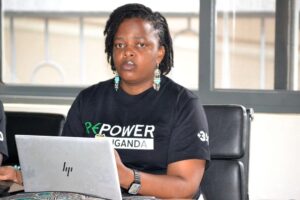
Why transition and why it matters?
Women are active economically but often in low-paying, insecure jobs, only about 39% of women are employed vs 50% of men and Over 80% of women are in vulnerable employment informal, low income according to UN Women report.
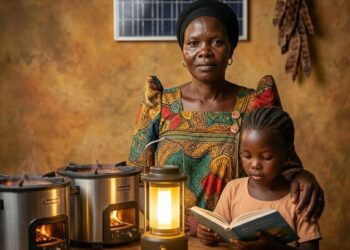
In simple terms, the energy transition is the shift from polluting, fossil fuel based systems like oil, coal, firewood, charcoal to cleaner, affordable, accessible, sustainable energy like solar, wind, mini-grids, standardized briquettes, biogas and efficient technologies that cannot only used for lighting homes and businesses but also for domestic use like cooking. Women need energy while giving birth, breast feeding, washing and bathing toddlers. All these increase the unpaid care work which men don’t want to know or relate.
Women and girls spend over 5 hours collecting firewood, fetching water, looking for food to feed the family while men are seated at the bar waiting to be served food. The transition we are talking about is not about switching fuels, it’s about changing how energy is produced, distributed, and used, in a way that is fair, and sustainable for ALL. Energy that is decentralized and community owned and locally led. This also calls for more investment/ finance in local led solutions and indigenous knowledge to power up our communities.
Furthermore, just energy transition ensures that No one is left behind, Communities affected by energy projects are protected, Women and marginalized groups are decision-makers, not just beneficiaries.
Many Ugandans especially marginalized women still rely on Firewood and charcoal, limited or unreliable electricity that leads to, Health risks (indoor air pollution), Time poverty (especially for women collecting fuel) and High energy costs for the poor. Clean, decentralized energy can reach underserved communities faster and reduce on the energy poverty we are experiencing. It’s important to note that the energy transition matters because it is about people, power, and justice.
In a nutshell, Uganda stands at a crossroads. It’s up to us to continue on a path where energy systems benefit a few, or we can build a future where energy is a tool for justice, dignity, and collective wellbeing. For God and my country.
The writer is the Executive Director and Founder Women for Green Economy Movement (WOGEM) Uganda.