









GENEVA
The World Health Organization (WHO) has declared the ongoing outbreak of Ebola disease caused by the Bundibugyo virus in the Democratic Republic of the Congo (DRC) and Uganda a Public Health Emergency of International Concern (PHEIC).
The determination, announced by WHO Director-General on 17 May 2026, follows reports of eight confirmed cases, 246 suspected cases, and 80 suspected deaths in Ituri Province, DRC. Two confirmed cases, including one death, were also reported in Kampala, Uganda, among travelers from the DRC.
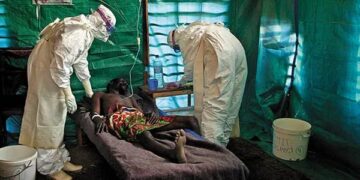
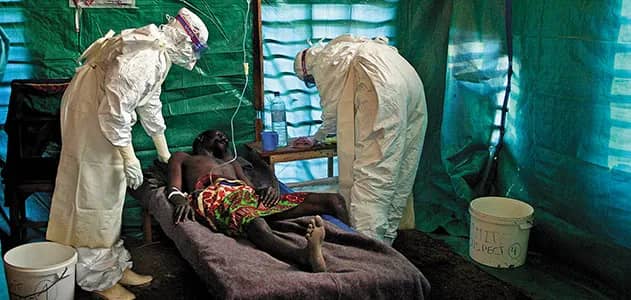
“This event is extraordinary,” WHO stated, citing the high positivity rate of initial samples, clusters of unexplained community deaths, and the deaths of healthcare workers in contexts suggestive of viral haemorrhagic fever.
The outbreak has raised alarm due to its potential for regional spread, compounded by insecurity, humanitarian crises, and high population mobility. Unlike Ebola-Zaire strains, there are currently no approved therapeutics or vaccines specific to Bundibugyo virus.
International Spread Already Documented
WHO confirmed that international spread has already occurred, with cases admitted to intensive care units in Kampala. Neighboring countries with land borders to the DRC are considered at high risk due to trade and travel linkages.
WHO Recommendations
WHO urged affected countries to:
• Activate emergency operations under national disaster management mechanisms.
• Strengthen surveillance, laboratory capacity, and infection prevention in health facilities.
• Engage communities through local leaders to support case identification and contact tracing.
• Implement safe burials to reduce transmission risks.
• Enhance border health measures, including exit screening at airports and land crossings.
WHO emphasized that no country should close its borders or restrict trade, warning that such measures could worsen the crisis by driving movement to informal crossings.
Looking Ahead
An Emergency Committee will be convened to advise on temporary recommendations. WHO has called for urgent international coordination and cooperation to contain the outbreak, accelerate research into medical countermeasures, and protect vulnerable populations.