






By Leonard Kamugisha Akida,
KAMPALA
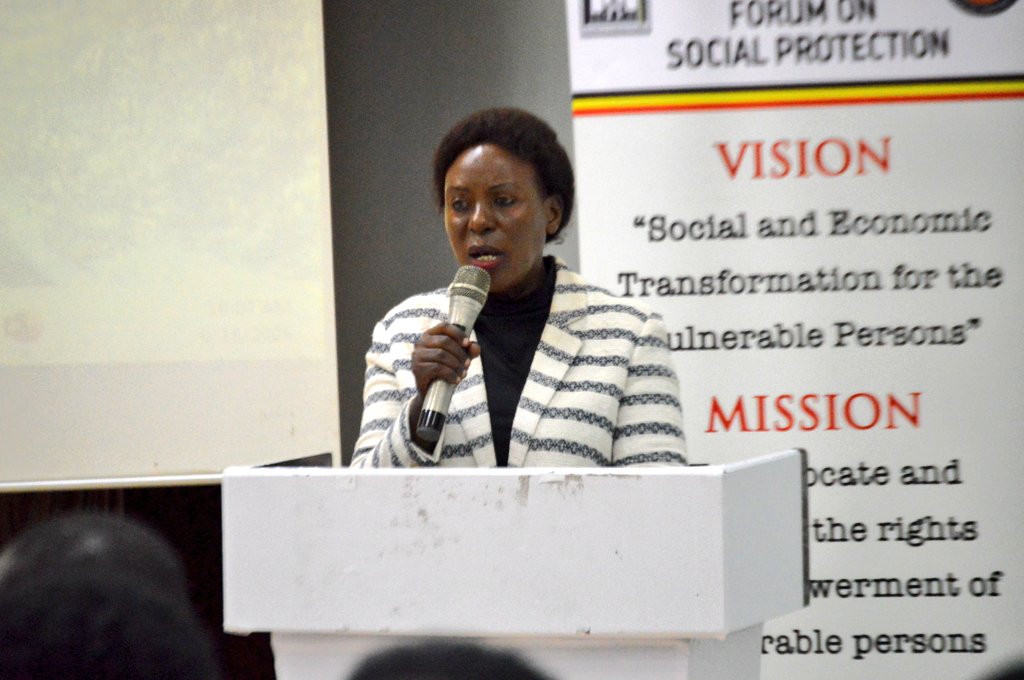
Members of Parliament and civil society organisations have urged the government to fast-track the review of the National Health Insurance Policy to enable Ugandans access affordable and quality healthcare.
The legislators, under the Uganda Parliamentary Forum for Social Protection (UPFSP), said many citizens, especially elderly persons and people with disabilities, continue to struggle to access healthcare due to high medical costs.
They called for establishment of sustainable medical insurance frameworks to protect vulnerable groups and ensure they live dignified lives.
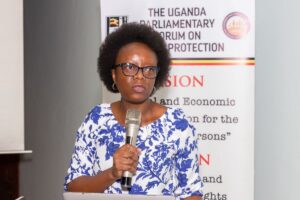
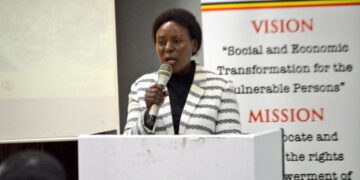
Flavia Kabahenda Rwabuhoro, the chairperson of UPFSP, said social protection is a constitutional right and not a favour from government.
“We are not asking for a favour, we are asking for a right that is in the Constitution. It is a right for people of Uganda to live in dignity,” Kabahenda said.
She was speaking during a legislators’ training workshop on social protection held at Imperial Royale Hotel in Kampala on Thursday.
Kabahenda said expanding social protection systems would contribute to Uganda’s journey towards middle-income status by ensuring citizens are protected against vulnerabilities.
“Social protection is one of the tools that is going to move this country into the middle-income status and every Ugandan deserves a living of dignity,” she said.
Uganda, with an estimated population of about 45 million people, has less than three percent of its population covered by medical insurance, according to legislators and civil society actors.
The forum also called on government to increase investment in social protection and integrate it into wealth creation programmes, including initiatives such as the Parish Development Model (PDM).
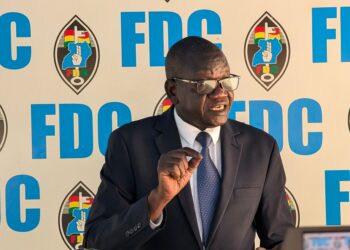
Paul Onapa, the deputy head of the Expanding Social Protection (ESP) programme at the Ministry of Gender, Labour and Social Development, explained that social protection focuses on protecting vulnerable people, preventing risks and building resilience.
“Social protection is not about poverty reduction alone. It is about addressing the risks and vulnerabilities within our society before they push people into poverty.” Onapa said.
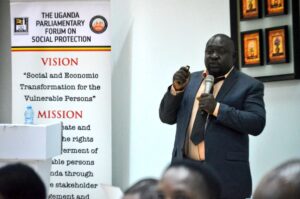
He said social protection involves public and private interventions aimed at addressing vulnerabilities that expose people to income insecurity and social deprivation.
Onapa said the system has two major pillars; social assistance, which includes direct support from government such as the Senior Citizens Grant, and social insurance, which is based on contributions.
The International Labour Organisation (ILO) called for stronger systems to expand social protection coverage across the country.
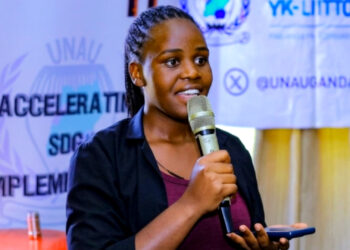
Mwenya Kapasa, an ILO representative, said Uganda has the potential to establish programmes that include all categories of people in social protection schemes.
Kapasa said ILO remains committed to supporting Uganda in developing universal social protection systems that benefit vulnerable groups, including older persons, people with disabilities, informal sector workers and forcibly displaced persons.
“Uganda is one of the eight countries benefiting from the PROSPECTS programme, and we are working with government to improve systems that promote inclusion,” she said.
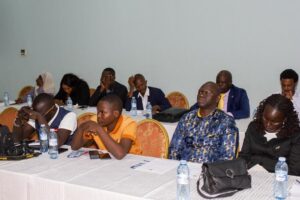
The stakeholders further called for expansion of social protection beyond elderly persons and people with disabilities to include informal workers, pregnant mothers, early childhood development and school-going children.
They welcomed the Shs15b allocation for the child disability benefit under the financial year 2026/27 budget, saying it was a step towards strengthening support for vulnerable groups.
Kabahenda said all Ugandans should be enrolled in contributory health insurance schemes to guarantee access to healthcare throughout their lives.