







KAMPALA
Nearly 240 million children around the world live with disabilities, yet many continue to face barriers to education, participation and social inclusion, according to UNICEF. The agency says children with disabilities are significantly more likely to be excluded from school and everyday activities than their peers.
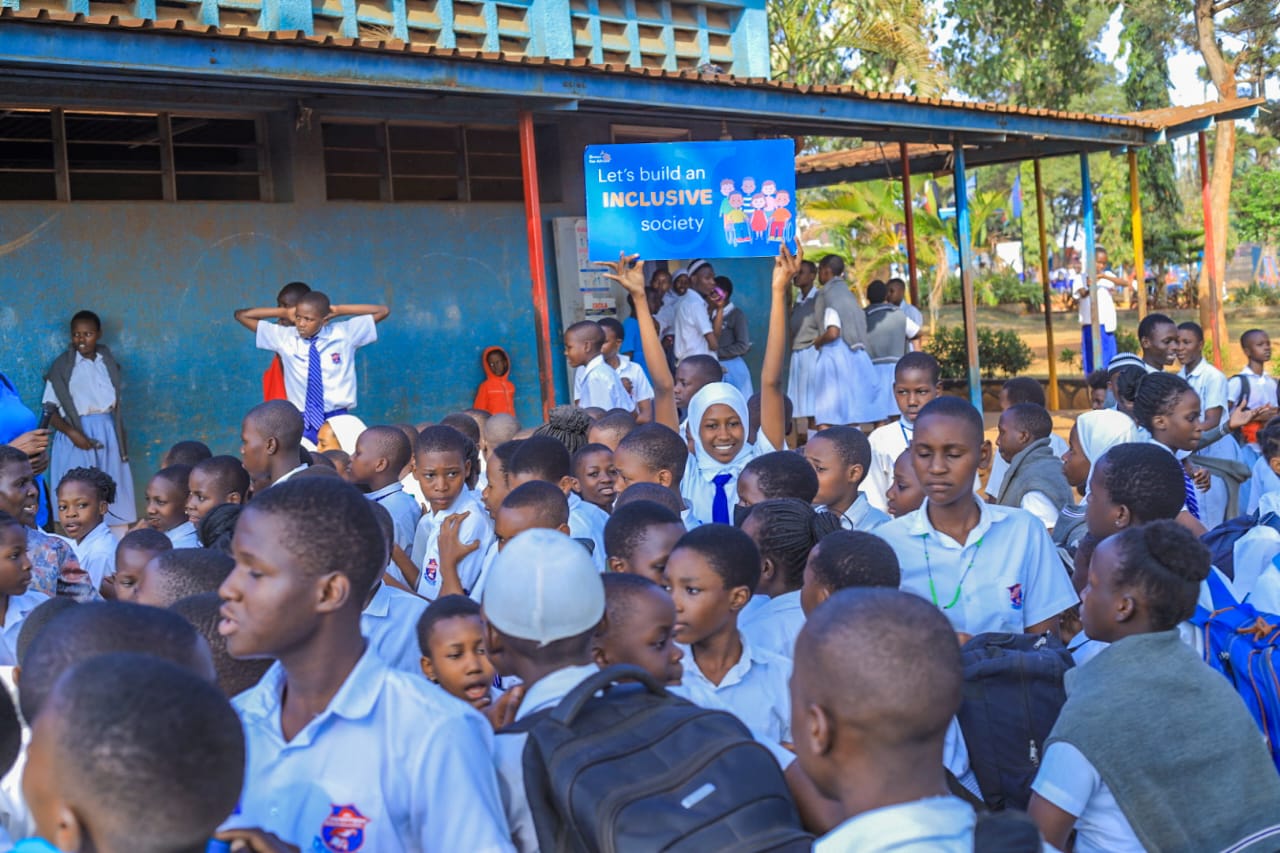
At a time when inclusion remains a challenge for many children, Brass for Africa is using the universal language of music to change perceptions and break down barriers through its Disability Inclusion Knowledge Sharing Exchange Day Programme.
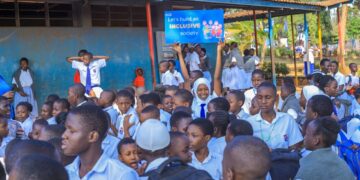
The programme takes learners with different disabilities into mainstream schools, where they perform, interact and learn alongside their peers. Through music, storytelling and shared experiences, children discover that disability does not define ability and that every child has talents, dreams and the potential to thrive.
Recent Exchange Days saw learners from Seeta Church of Uganda Primary School visit Teens and Tots Neurodevelopment Centre visit, while children from Good Shepherd Home shared a day of learning and performance with learners at St. Athanasius Primary School.
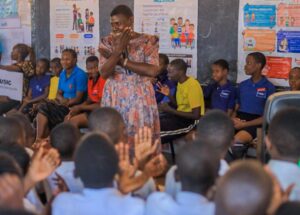
At Kalinabiri Primary School in Ntinda, learners and teachers welcomed the initiative, describing it as an eye-opening experience that challenged stereotypes about disability.
Rather than teaching inclusion through textbooks, the programme creates opportunities for children to experience it firsthand. Learners sing, drum, dance and perform together before participating in guided discussions on disability awareness, empathy and respect.
Brass for Africa says it is using music to break communication, attitudinal and accessibility barriers, enabling children and young people with disabilities to realise their full potential and participate fully in society, according to Country Director Ronald Kabuye.
“At Brass for Africa, we believe that every child and young person deserves the opportunity to fulfil their potential and thrive. Through the power of music, we are breaking down the communication, attitudinal, and accessibility barriers that too often prevent children and young people living with disabilities from participating fully in society. Our goal is to create a world where they feel valued, included, and empowered to reach their full potential alongside their peers,” he said.
Florence Nakachwa, Nakawa Hub Coordinator at Brass for Africa and lead facilitator of the programme, said the initiative is designed to help children appreciate diversity through interaction.
“Through exchange visits and shared musical experiences, participants engage in collaborative learning, performances and discussions that promote understanding and appreciation of diversity. When children spend time together, they begin to see each other’s abilities instead of their disabilities.”
The Exchange Day Programme also introduces learners to different disabilities, including autism and Down syndrome, while encouraging them to think about how they can make their schools and communities more inclusive.
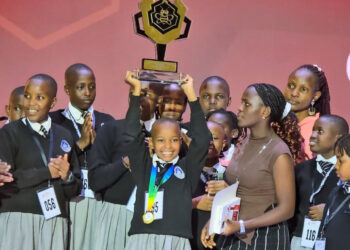
One of the most memorable moments comes when children of different abilities perform side by side. The performances demonstrate that music has the power to connect people beyond physical, intellectual or social differences.
Teacher Aaron Zibondo of St. Athanasius Primary School said the programme is helping shape a more compassionate generation.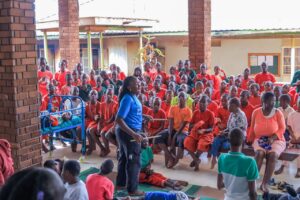
“These sessions encourage teamwork, friendship and cooperation. They help students understand different types of disabilities, promote empathy, kindness and compassion, and teach children how to support and include their classmates. Most importantly, they help reduce stigma, discrimination and negative attitudes.”
The programme’s impact is equally reflected in the voices of the learners.
Jovita Edith, Head Girl of Kalinabiri Primary School, said the experience transformed how she views people with disabilities.
“I have learned that people with disabilities deserve love, respect and equal treatment because they are an important part of our community. I will encourage my fellow pupils to ensure everyone feels included and respected at our school.”
Primary Four learner Atuhonza Elizabeth said the programme reminded her that “everyone belongs and every person has value,” while Namuggu Hajarah said she learned the importance of helping others regardless of their differences.
At the end of each Exchange Day, learners make a pledge to treat children with disabilities with dignity and respect, support them in their daily lives and become ambassadors for inclusion within their schools.
As Brass for Africa expands the programme to more schools, its message remains simple: inclusion is not achieved through words alone. It grows when children learn, play and create together discovering that what unites them is far greater than what sets them apart.