











By Nagasha Shallon
Op_Ed
Ugandans need more than explanations for rising prices. They need practical solutions, timely action and accountability.
For many Ugandans, the cost of living is becoming increasingly difficult to manage. A trip to the market costs more, transport takes a bigger share of daily earnings, and small businesses struggle with rising operating expenses. Families are being forced to make difficult choices about what they can afford.
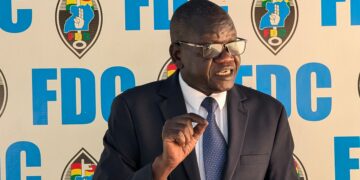
Against this background, Finance Minister Henry Musasizi’s decision to rule out tax cuts and fuel subsidies, as reported by NTV Uganda, raises an important question: if government will not reduce taxes or subsidize fuel, what exactly is it doing to ease the burden on ordinary citizens?
Government’s concern about protecting public revenue and funding essential services is understandable. However, economic stability cannot be measured by government finances alone. It must also be reflected in people’s ability to afford food, transport and other basic necessities. Citizens need to understand not only why prices are rising, but also what government intends to do about it.
From Explanations to Practical Solutions
First, government should make fuel pricing more transparent. Relevant authorities should publish a clear breakdown of import costs, taxes, transportation and other charges that determine pump prices. This would enable citizens to understand price changes and hold responsible institutions accountable.
Second, government should explore targeted, temporary relief for households and essential sectors facing severe economic pressure. Rather than introducing costly blanket subsidies, support could be directed towards the most vulnerable households and essential public transport services, with clear eligibility criteria, spending limits and review periods.
Third, government must address the cost of food at its source. Investment in irrigation, agricultural extension services, storage facilities and rural roads would help farmers reduce losses and get produce to markets more efficiently. Supporting climate-resilient agriculture would also strengthen food security and reduce vulnerability to weather-related shocks. Affordable food should not depend solely on whether fuel prices fall.
Government must also examine its own spending. Reducing avoidable expenditure, strengthening procurement accountability and prioritizing essential services would demonstrate that the burden of economic adjustment is not being left entirely to citizens. At the same time, small businesses need a supportive environment, including predictable tax administration, access to affordable financing and opportunities to grow local production.
In the longer term, Uganda must reduce its vulnerability to external economic shocks by investing in renewable energy, public transport, agro-processing and manufacturing. A stronger productive economy can create jobs, expand incomes and reduce dependence on imported goods and fuel.
The Cost of Living Is Also a Women’s Issue
The effects of rising prices are not experienced equally. Women working in informal trade, small-scale farming and other low-income activities often face increasing business expenses while carrying significant household and caregiving responsibilities. When food, transport and energy become more expensive, their limited earnings are stretched even further.
Government’s response should therefore consider the realities of these households. Supporting women-led enterprises, improving access to productive resources and strengthening affordable energy and agricultural services would help women sustain their livelihoods while contributing to the wider economy.
What Government Must Do Now
The Ministry of Finance and relevant government agencies should publish a clear cost-of-living response plan outlining the immediate measures to be taken, the institutions responsible, the funding required and the expected timelines. The plan should include measurable targets, while regular public updates should show whether the interventions are improving affordability and protecting livelihoods.
Parliament also has a responsibility to scrutinize government’s response, demand explanations where progress is lacking and ensure that public spending addresses the needs of citizens. The media and civil society should continue asking the difficult questions that keep economic decisions in the public interest.
This is not a call for government to spend without limits. It is a call for practical, transparent and accountable use of public resources. If tax cuts and fuel subsidies are considered financially unsustainable, government must demonstrate that the alternatives it chooses can make a meaningful difference.
Ugandans Deserve to See Results
The question is no longer simply whether government can afford to reduce taxes. It is whether it can afford to leave ordinary Ugandans without a practical response to rising costs. Protecting public revenue matters, but so does protecting people from being pushed further into financial hardship.
Government must now move beyond explaining what it cannot do and clearly demonstrate what it will do instead. Ugandans need a plan with specific actions, clear timelines and measurable results not just assurances that the economy will eventually improve.
If tax cuts and fuel subsidies are off the table, what replaces them must be made clear now. A parent struggling to provide food, a worker spending more on transport and a small business owner watching profits disappear cannot afford to wait indefinitely.
Ultimately, the success of economic policy should be measured not only by national economic indicators, but also by whether ordinary citizens can meet their basic needs and maintain a decent standard of living.
The government has ruled out tax cuts and fuel subsidies. Now it must show Ugandans what it is doing, when relief can be expected and how the public will hold it accountable. The cost of living is rising, and the response cannot remain a promise.
The writer is an employee at Women for Green Economy Movement (WOGEM) Uganda.