












By Leonard Kamugisha Akida,
NATIONAL
Reproductive health and rights advocates have called on the government to adopt gender-responsive interventions and strengthen community engagement to effectively respond to pandemics, including the ongoing Ebola outbreak.
The advocates said there are gaps in collecting and reporting data during health emergencies, which affects planning and delivery of services to vulnerable groups, especially women and girls.
Dr Olivia Nakisita, the Executive Director of New Life Adolescent and Youth Organisation (NAYO), said outbreaks affect men and women differently, requiring response measures that consider gender, age and other factors.
“Men and women are hit differently during outbreaks, but a gender-responsive intervention should be able to tell us the affected persons; how many are men, how many are women and their age,” Nakisita said.
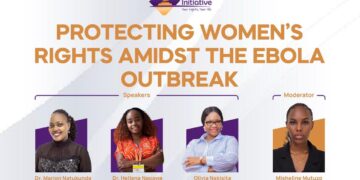
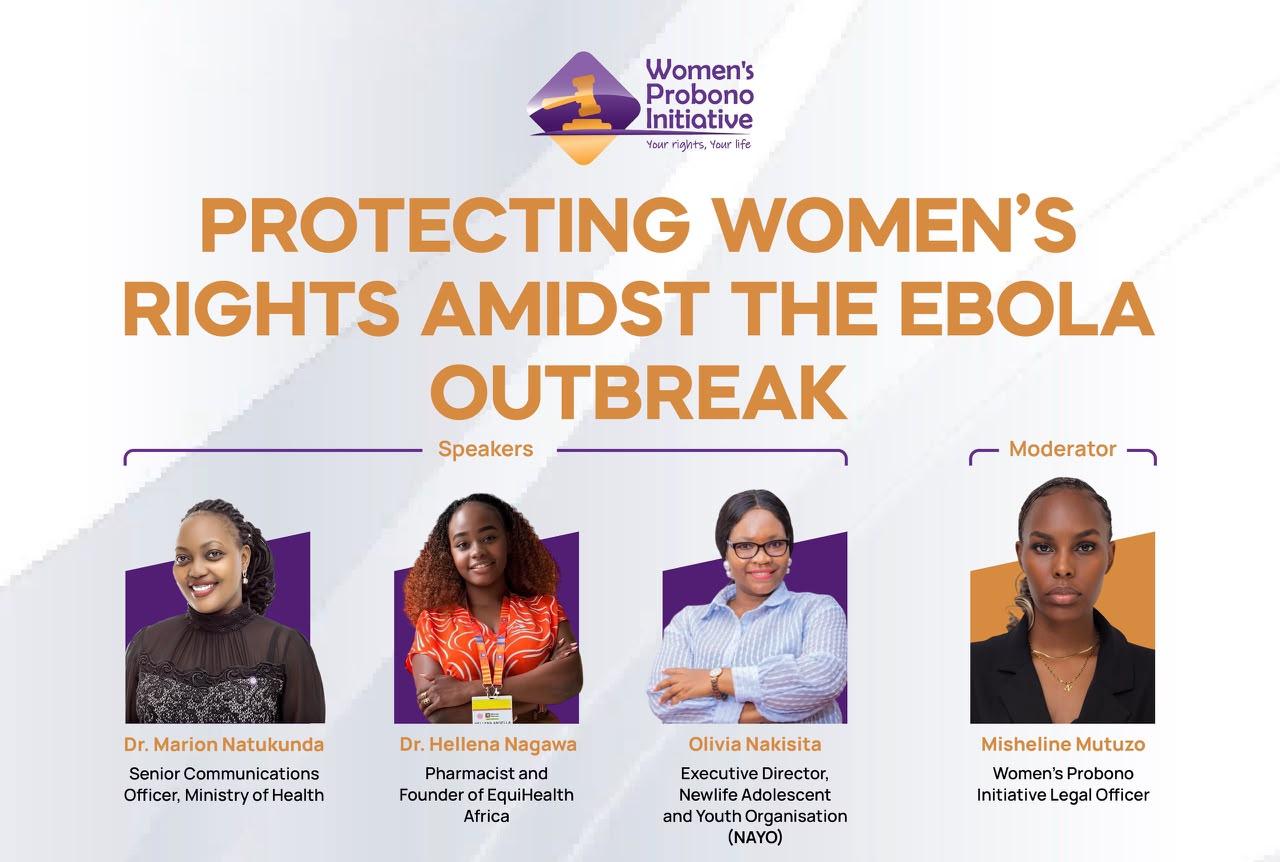
She was speaking during a webinar on protecting women’s rights amid the Ebola outbreak, organised by Women’s Probono Initiative on Monday.
Panelists observed that most health data released by the Ministry of Health is generalised, making it difficult to design targeted interventions for specific groups. They called for sex, age and gender-disaggregated data to improve planning and service delivery.
Nakisita said such information would help authorities develop strategies that address the needs of different groups, including women and young people in isolation centres.
“If we have gender, sex and age segregated data, it helps us analyse and come up with strategies that speak to gender, plan better and provide safety, for instance, in isolation units by offering special services such as menstrual hygiene and sexual and reproductive health services,” she said.
The advocates also urged the government to ensure continuity of sexual and reproductive health rights (SRHR) services during pandemics, warning that disruptions could increase teenage pregnancies and school dropouts.
They further called for the involvement of women in communicating public health messages, saying this would improve access to information among women and girls, especially in communities with different languages.
The advocates acknowledged government efforts in maintaining healthcare services during outbreaks but called for increased support to health facilities, especially those facing shortages, to meet national and global health targets.
Dr Marion Natukunda, a Senior Communications Officer at the Ministry of Health, said reproductive health services remain available at health facilities despite the Ebola outbreak.
“We have not stopped because we have this Ebola outbreak,” Natukunda said.
She said the government has continued providing family planning services, reproductive health care and deploying health workers, including specialists handling SRHR services.
“We have comprehensively deployed health workers, including a section for SRHR,” she said.
Natukunda added that more health workers are being deployed to six high-risk districts as part of measures to strengthen Ebola preparedness and response.
She reaffirmed government commitment to ensuring essential health services continue during the outbreak.