










NATIONAL
The Forum for Democratic Change (FDC) leadership has sharply criticized the government over its failure to buffer the country against skyrocketing fuel prices.
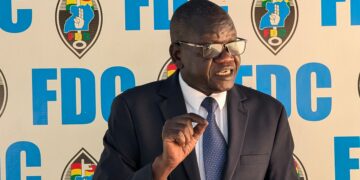
Patrick Oboi Amuriat, the FDC President warn that the lack of strategic reserves poses a major national security threat.
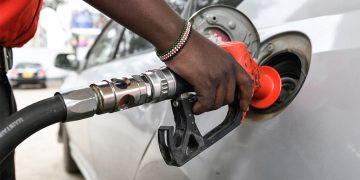
Fuel prices across Uganda have escalated dramatically in recent weeks, a crisis believed to be triggered by intensifying geopolitical conflicts between the United States and Israel on one side, and Iran on the other. The resulting surge in pump prices has sent shockwaves through the domestic economy, driving up the cost of essential commodities and squeezing Ugandan households.
Although Amuriat acknowledged that the crisis was driven by global market forces, he argued that Uganda’s vulnerability was self-inflicted.
“Whereas this is a crisis that is global, this is not the first crisis that we are facing as a country in as far as fuel is concerned,” Amuriat said. “Our government has had more than 40 years to prepare for any fuel crisis, but it hasn’t chosen to do so.”
According to the FDC leader, any functioning government is duty-bound to maintain strategic fuel reserves capable of sustaining its economy for at least six months. This, he argued, would insulate the country from immediate price spikes even when global crude prices fluctuate.
Amuriat accused the NRM government of dismantling strategic fuel reserves in Jinja, Mbale, Gulu, and Nakasongola district which they inherited in 1986.
He accused the current administration of short-sightedness and corruption, alleging that the facilities were deliberately broken down and liquidated.
“These evil governments dismantled them and sold them to their friends dubbed private investors, while knowing that fuel is a strategic commodity of this country,” Amuriat charged.
He warned that the absence of such reserves had not only worsened the economic burden on citizens but also weakened Uganda’s national security preparedness.
“Just imagine a war broke out today… What would we do without fuel reserves?” Amuriat questioned. “You would need the jets to fly in the air. You need the infantry. You need the tanks, fuel guzzlers—to move on the ground. You would definitely lose this war.”
FDC urges the government to revive and establish the national reserves across the country, upgrade their capacity one way of dealing with fluctuating fuel prices.
“This is the right time for the NRM government to listen to our call,” he concluded.
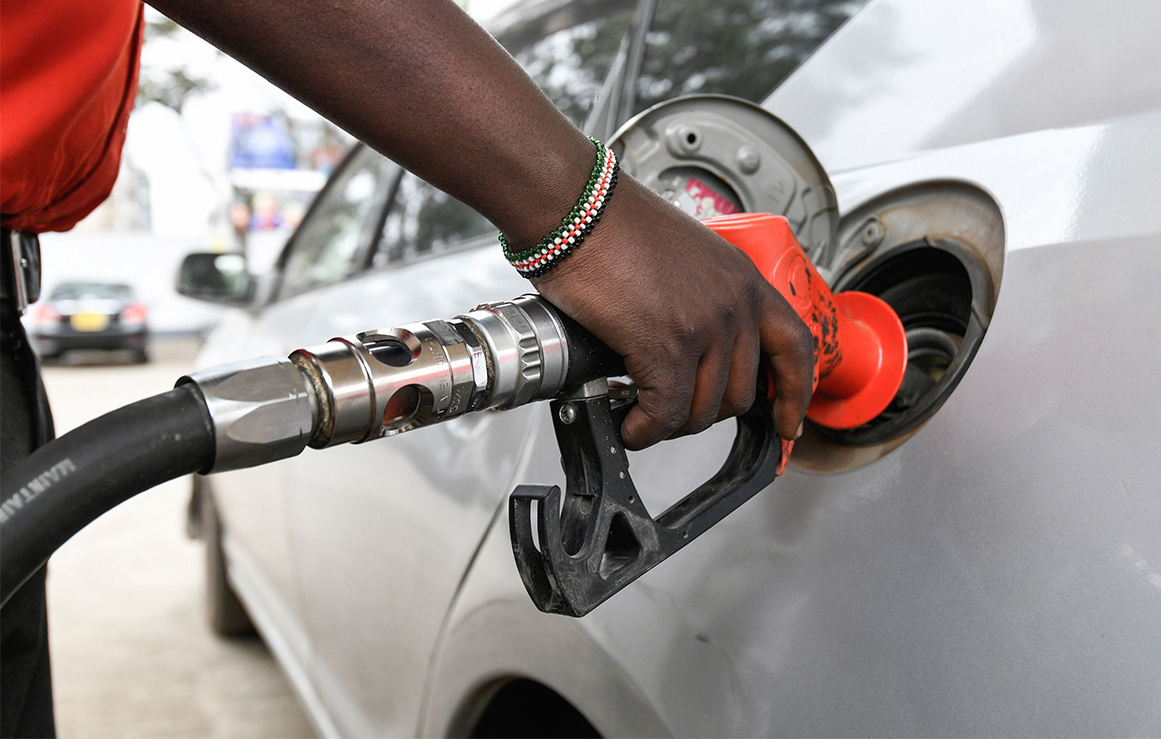
Major retailers in Kampala like Shell and Total retail petrol at roughly Shs 6,619 per liter and diesel around Shs 6,490, though upcountry prices can exceed Shs 7,000. This inflation, 6.1percent on annual energy fuel and other utilities has resulted into rise in transport fares and the cost of commodities across Uganda.
Government however insists that Uganda has maintained a stable and adequate fuel supply.
“Uganda and UNOC have since restored supply stability and strengthened ongoing importation arrangements,” Irene Paul Bateebe, the Permanent Secretary to the Ministry of Energy and Mineral Development told reports last week.
Likewise, the Permanent Secretary to the Treasury Ramathan Ggoobi said that Uganda remains secure in terms of fuel supply. According to Ggoobi, the country’s fuel partners; Vitol, operate a diversified global refinery network capable of sustaining supply. Government reassured Ugandans that they’re closely monitoring fuel importation and supply in the country to avoid smuggling and abnormal price hike ups.