













By Doreen Asasira,
The recent announcement by the Chief Executive Officer of the Uganda Electricity Transmission Company Limited (UETCL), Eng. Richard Matsiko, that Uganda is advancing the 400kV Uganda–Tanzania Power Interconnection Project marks a significant milestone in East Africa’s pursuit of regional energy integration. Speaking during UETCL’s early market engagement with contractors, engineers, financiers and development partners, Eng. Matsiko highlighted the project’s potential to enhance electricity trade, improve grid reliability and strengthen energy security across the region. While these prospects are encouraging, the true success of the project will ultimately depend on whether it delivers tangible social, economic and environmental benefits to the people it is intended to serve.
For years, East African countries have pursued the vision of an interconnected electricity market. Uganda has often generated surplus hydropower while neighboring countries have experienced electricity shortages. A functioning regional transmission network creates an opportunity for countries to trade electricity based on demand and supply, reducing waste, lowering costs and improving the reliability of electricity systems. In principle, everyone stands to benefit.
For Uganda, the interconnector presents an opportunity to monetize excess generation capacity and strengthen its position as a regional energy exporter. Tanzania, on the other hand, gains access to an additional source of reliable electricity while complementing its own expanding generation capacity. This is precisely the kind of regional cooperation envisioned under the East African Community and the Eastern Africa Power Pool, where shared infrastructure is expected to stimulate economic growth and improve energy access.
However, celebrating the project should not mean overlooking legitimate concerns. Across Africa, large-scale energy infrastructure has often produced mixed outcomes. While governments emphasize economic growth and regional development, communities located along transmission corridors frequently shoulder the greatest burden. Land acquisition, delayed compensation, displacement and disruptions to livelihoods have become recurring challenges in many infrastructure projects.
According to UETCL, the Resettlement Action Plan is being finalized before construction begins, providing an important opportunity to ensure that Project Affected Persons (PAPs) are treated fairly and their rights fully protected.
Compensation processes must therefore be transparent, timely and equitable. Communities deserve clear information about project timelines, valuation methods, grievance mechanisms and their legal rights throughout implementation. Development that leaves affected citizens worse off cannot genuinely be described as sustainable progress.
Environmental considerations also deserve equal attention. While electricity interconnections can facilitate greater use of renewable energy by allowing countries to exchange cleaner sources of power, transmission infrastructure still has environmental impacts. Construction should minimize damage to forests, wetlands, wildlife habitats and agricultural land while ensuring that environmental safeguards are implemented in practice rather than treated as administrative requirements.
The project also raises bigger questions about East Africa’s energy future. Although the region continues to invest heavily in electricity generation, millions of people particularly in rural communities still lack affordable and reliable electricity. Regional electricity trade should not become an end in itself while domestic access remains inadequate. Governments must ensure that investments in cross-border transmission ultimately translate into lower electricity costs and improved access for households, schools, health facilities and small businesses.
At the same time, the project has the potential to strengthen climate resilience. Climate change continues to place increasing pressure on electricity systems through prolonged droughts, floods and changing rainfall patterns that affect hydropower generation. A more interconnected regional grid enables countries to support one another during supply shortages, making electricity systems more resilient to climate-related shocks.
Equally important is the project’s financing and governance. With substantial funding expected from international development partners and financial institutions, accountability must remain central throughout implementation. Citizens deserve transparency regarding procurement processes, public expenditure, environmental compliance and whether the project delivers value for money.
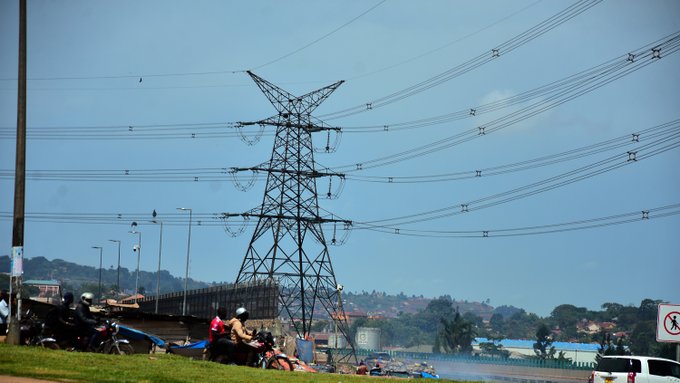
Ultimately, the Uganda–Tanzania Power Interconnection Project should not be judged solely by the number of transmission towers erected or the megawatts exchanged across borders. Its lasting success will depend on whether it improves people’s lives, protects the rights of affected communities, protects the environment, strengthens regional cooperation and expands access to affordable, reliable and sustainable energy.
The optimism expressed by Eng. Richard Matsiko reflects the enormous potential of the project. However, infrastructure alone does not guarantee development. East Africa’s energy future will be shaped not only by the transmission lines that connect countries, but also by the trust governments build through transparency, accountability and inclusive development. If these principles guide implementation, the Uganda–Tanzania Power Interconnection Project could become a model for regional cooperation and sustainable energy development. If they do not, it risks becoming another ambitious project whose promises fail to reach the communities living beneath its transmission lines.