












By Leonard Kamugisha Akida
SOROTI
Small-scale farmers, policymakers and researchers will this week convene to discuss policies and practices aimed at promoting sustainable agriculture, climate resilience and food security.
This will be during the second National Agroecology Festival (NAF) 2026 hosted by the Eastern and Southern Africa Small-scale Farmers’ Forum (ESAFF) Uganda from October 15 to 16 at Soroti Museum. The festival will feature farmer-led exhibitions and a national policy dialogue, according to the organizers.
The two-days festival, held under the theme “Advancing Agroecology for Climate Action, Nutrition and Sustainable Livelihoods,” will also consider the proposed adoption of the Soroti Declaration on Agroecology 2026.
The event comes amid growing concerns over climate change, soil degradation, biodiversity loss and the inappropriate use of chemical pesticides, which threaten agricultural productivity, food safety and farmers’ livelihoods.
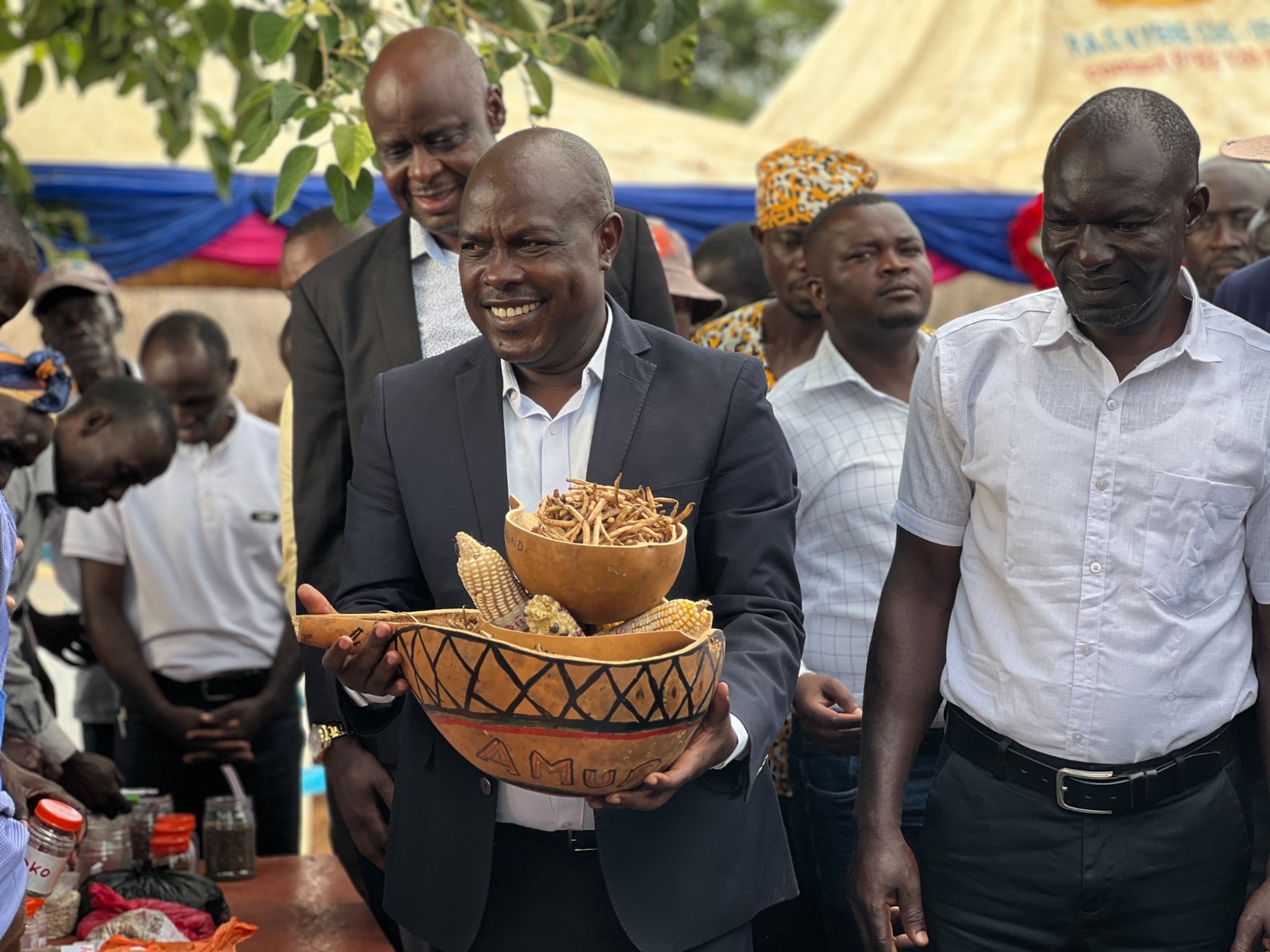
ESAFF Uganda said the festival would provide a platform for small-scale farmers to showcase agroecological practices, promote indigenous seeds and foods, establish market linkages and influence policies affecting agricultural production.
Nancy Mugimba, the national coordinator of ESAFF Uganda, said the festival would connect farmers with researchers, buyers and policymakers to strengthen collaboration and translate farmers’ experiences into policy action.
“When a farmer meets a researcher, a buyer or a policymaker, there is an opportunity for something to change,” Mugimba said.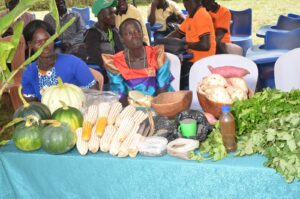
She added that the engagements would enable farmers to find markets for their produce, share indigenous knowledge and participate in decisions affecting their livelihoods.
Naume Kalinaki, ESAFF Uganda’s programmes officer for enterprise and livelihood development, said agroecology could help farmers reduce production costs and improve profitability.
“Through agroecology, we are looking at reducing the cost of production, which directly influences how much we are able to gain from our farms,” Kalinaki said.
She said the festival would equip farmers and producers with knowledge on developing agroecological enterprises, improving financial management and building business networks.
The national policy dialogue will examine food safety, the Ministry of Agriculture, Animal Industry and Fisheries’ memorandum on highly hazardous chemicals, and emerging priorities under the National Agroecology Strategy.
Participants will also discuss farmer-managed seed systems, conservation of agricultural biodiversity, links between community seed banks and national genebanks, equitable sharing of bioeconomy benefits and the role of academia in supporting farmers.
The discussions are expected to generate policy recommendations and shared commitments to advance agroecology, with participants considering the proposed Soroti Declaration on Agroecology 2026.
The festival will coincide with World Food Day on October 16, observed this year under the theme “Innovate today. Nourish tomorrow.”
Other activities will include cookery demonstrations, food tasting, research and innovation exhibitions, cultural performances and agroecology awards.
The exhibition grounds at Soroti Museum will be open to the public, with free entry for non-exhibitors. Members of the public will have an opportunity to engage with exhibitors and explore locally produced agroecological foods and products.