













By Ritah Atukwatse
KAMPALA
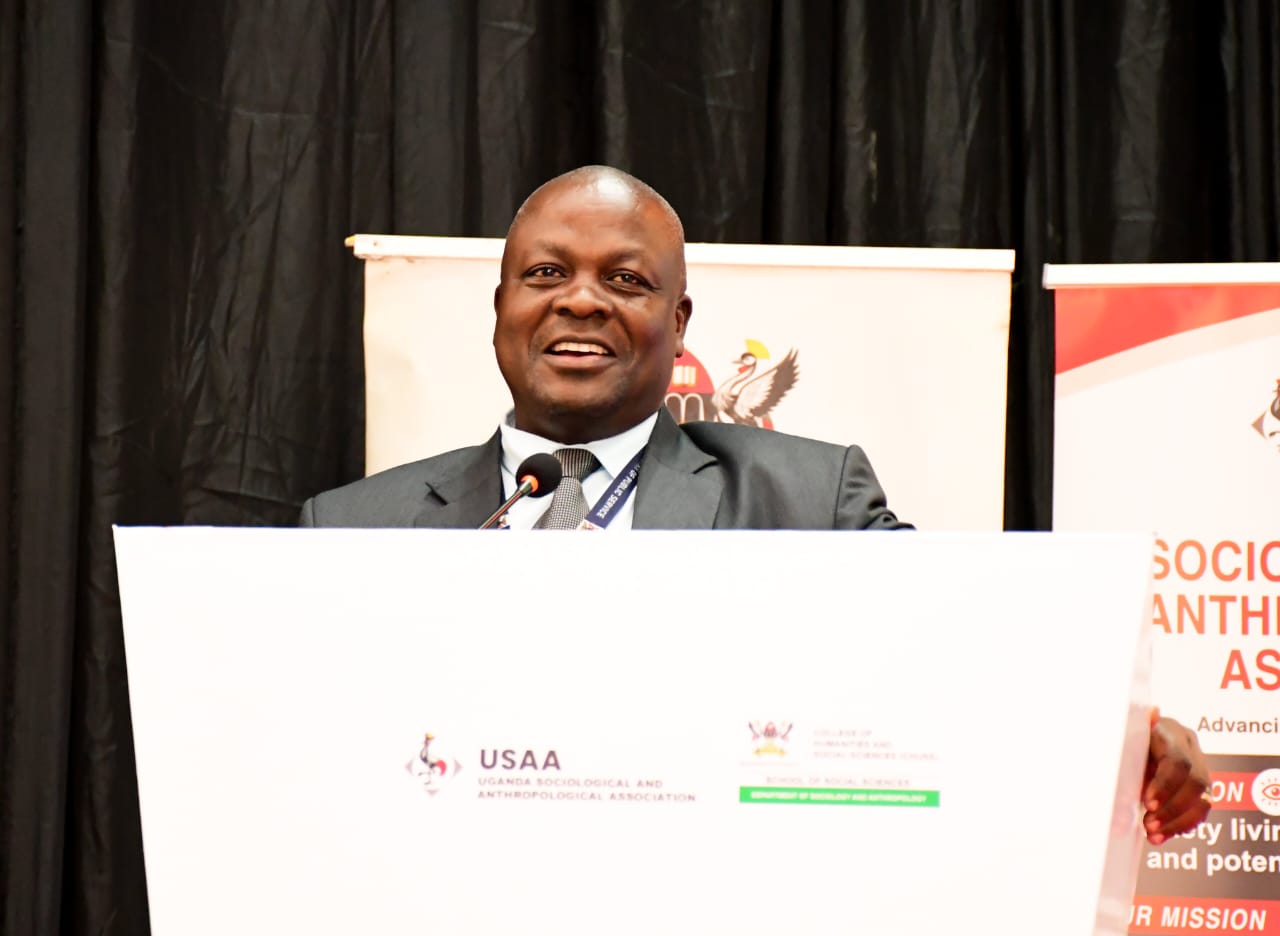
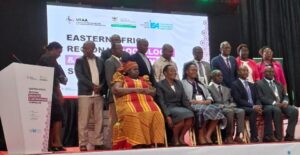
More than 200 social scientists, researchers and policymakers have gathered at Makerere University Main Hall in Kampala for a two-day regional symposium aimed at strengthening the role of sociology and anthropology in addressing Africa’s social challenges.
The Eastern Africa Regional Sociology and Anthropology Symposium opened on Tuesday, September 29, 2026, and is running until September 30 under the theme “Strengthening Sociology and Anthropology in Eastern Africa: Professional Identity, Networks and Social Relevance.”
The symposium is organised by the Uganda Sociological and Anthropological Association (USAA) in partnership with Makerere University’s Department of Sociology and Anthropology, with support from the International Sociological Association.
The meeting has brought together scholars and academic leaders from Uganda, Kenya, Tanzania, Rwanda among other countries to discuss how social science research can contribute to policymaking and development across the region.
Speaking at the symposium, keynote speaker George Wafula emphasised the importance of sociology in understanding society and guiding national decisions.
“Sociology is embedded everywhere; it is at the centre of the social sciences. Therefore, we need evidence-based research because we inform policymaking in the country,” Wafula said.
Participants said development programmes and technological solutions can have limited impact when they fail to consider people’s behaviour, beliefs and social conditions.
Dr. Gerald Ahabwe, from KCCA, argued that policymakers need to pay greater attention to human behaviour when designing development programmes.
“We build multi-billion shilling roads, but people still cross dangerously. We distribute free mosquito nets, but families use them for fishing,” Dr. Ahabwe said.
He added that such situations demonstrate the need for policymakers to understand the social factors influencing how communities respond to development interventions.
The symposium comes at a time when Science, Technology, Engineering and Mathematics (STEM) fields continue to receive significant attention in education, funding and national development planning.
Social scientists at the meeting argued that while technology and scientific innovation are important, they need to be complemented by research that explains how people and communities behave.
The discussions are also focusing on the professional identity of sociologists and anthropologists, strengthening regional networks and increasing the social relevance of their work.
Prof.Peter Atekyereza, a senior lecturer of Sociology at Makerere University, emphasized the identity of sociologists, “who is a sociologist and who is an anthropologist ?” He asked.
With scholars from several Eastern African countries participating, the symposium also seeks to strengthen regional collaboration in research on issues including poverty, urbanisation, public health and other challenges affecting communities.