









By Ainembabazi Shallon,
OPINION
The observance of African Women’s Climate Justice Day on 15 April 2026 is more than a symbolic moment it is a political statement that can no longer be ignored. Across the continent African women are not only experiencing the harshest impacts of climate change but are also leading some of the most innovative and grounded responses. Yet their voices remain underrepresented in decision-making spaces where climate policies are designed. This contradiction only lies at the heart of the climate crisis in Africa.
Climate change in Africa is not an abstract future threat it is already reshaping everyday life. Droughts are becoming more frequent and severe, floods are displacing families and land degradation is undermining agriculture which is the backbone of many rural economies. In all these realities women carry a disproportionate burden. They are responsible for securing food, water, and energy for household use which means environmental shocks directly translate into longer walking distances, reduced food security, and increased unpaid care burden.
Despite this, African women are rarely positioned as primary actors in climate governance. Instead, they are often treated as beneficiaries of externally designed projects rather than as knowledge holders and leaders. This approach is not only unjust it is ineffective. It ignores the fact that women in farming communities, pastoral areas and urban informal settlements already possess deep ecological knowledge shaped by lived experience.
The African Women’s Climate Justice Day challenges this imbalance by asserting that women’s leadership is not optional but it is essential. The growing feminist climate movement across the continent is reframing climate justice as more than emission reductions measures. It is demanding structural change, including land rights, equitable access to resources, protection from extractive projects and reparations for historical environmental exploitation.
Climate change does not operate in isolation it interacts with poverty, gender inequality and leadership exclusion. A woman in a rural Ugandan village facing crop failure due to erratic rainfall is also likely dealing with limited access to credit insecure land tenure and lack of representation in local governance. Climate justice therefore must address these overlapping injustices rather than treating them as separate issues.
However, translating these demands into policy remains a major challenge. Many climate programs in Africa still prioritize large-scale technological solutions or externally funded projects that rarely reach grassroots women who get affected directly. While renewable energy projects and conservation initiatives are important they often fail when they do not involve the communities most affected. Without women’s participation at every stage from design to implementation climate interventions risk reinforcing the same inequalities they claim to solve.
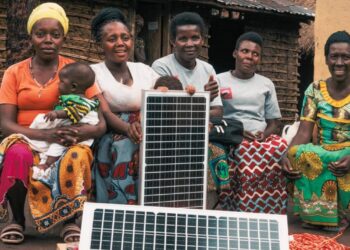
Women are leading tree-planting initiatives, organizing savings groups to support climate resilience advocating against harmful extractive projects and preserving indigenous seeds and farming practices. These actions may seem small in isolation but collectively they represent a transformative force.
Yet activism alone is not enough. Governments, development partners, and private actors must move beyond rhetoric and commit to structural inclusion by ensuring women have equal representation in climate negotiation spaces, funding grassroots women-led initiatives directly and integrating gender-responsive budgeting into national climate strategies.
The significance of African Women’s Climate Justice Day lies in its refusal to treat women as peripheral actors. It places them at the center of the climate debate where they belong. If climate justice is to be meaningful in Africa then it must begin by listening to those who are already living its realities and shaping its solutions.
Women for Green Economy Movement (WOGEM) Uganda