








KAMPALA
Three weeks after Ugandans went to the polls in a deeply contentious general election, the visible scars of campaign season are giving way to a quieter, darker chapter. Across the country, families are searching for missing relatives, opposition figures remain detained without charge, and journalists who documented the violence find themselves hunted in the shadows.
Tonight, those left behind speak out, demanding justice, accountability, and answers from a state apparatus they say has turned its forces against the very citizens it is sworn to protect.
‘Bundled into a drone’
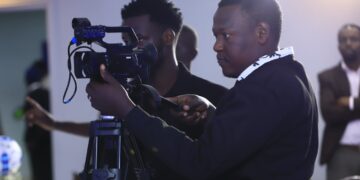
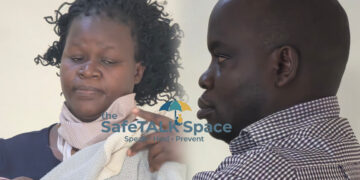
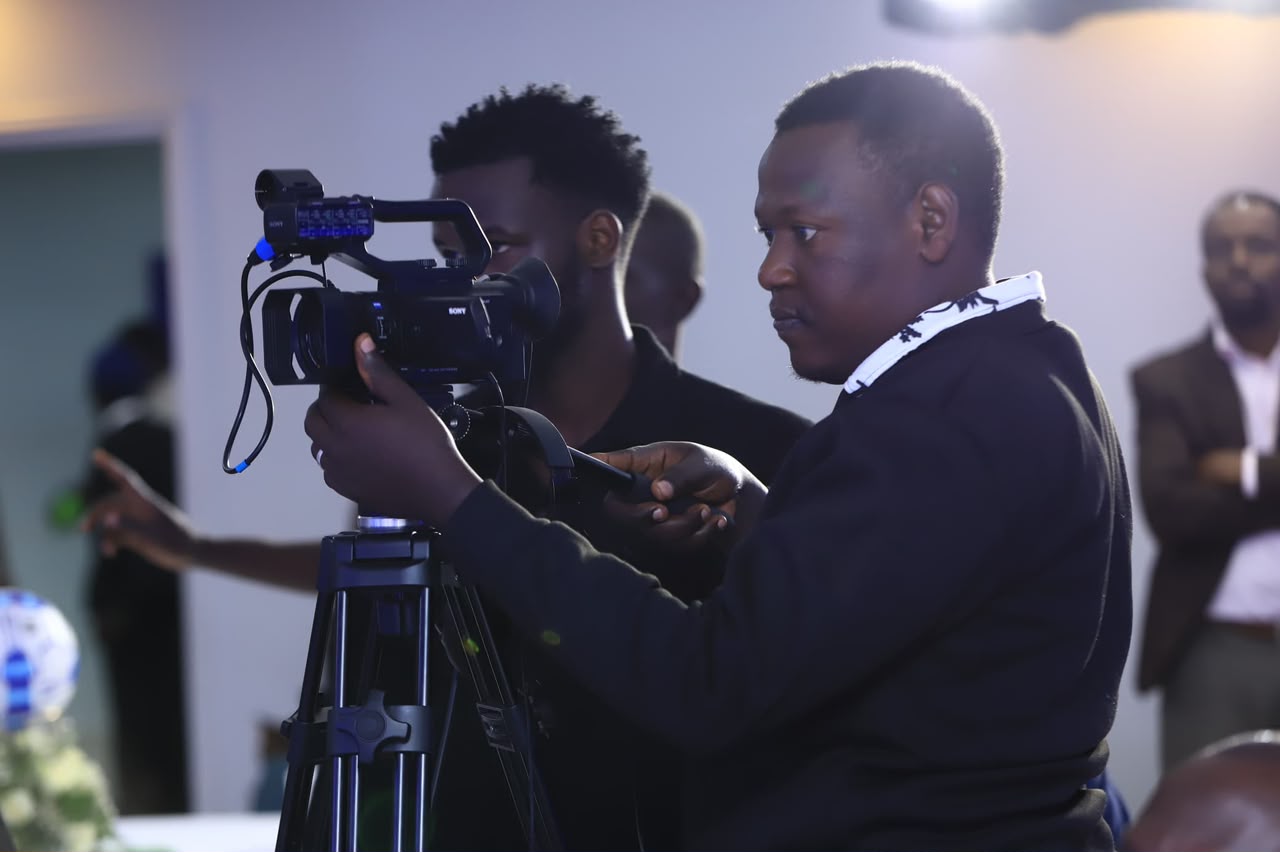
For Ashiraf Kazibwe, an online journalist with Eagle One, the ordeal did not end when the ballot boxes were closed. Having spent weeks covering the campaign trails of the main opposition National Unity Platform (NUP), Kazibwe alleges he was targeted by security personnel just days after polling day.
“I was arrested by security personnel, some clad in casual wears on January 23, detained at Mbuya and was brutally tortured,” he said.
Kazibwe was eventually dumped at a police station in Lubya and later released on police bond, frail and severely injured, before seeking urgent medical care. Weeks later, no formal explanation for his arrest has been provided by authorities.
He believes his abduction was directly linked to his real-time reporting from campaign, elections day and post election reporting including the brutal killings in Butambala District. There, seven people were shot dead at the home of outgoing opposition MP Muwanga Kivumbi during voting week. While authorities claim the victims were rioters being transported to disrupt the electoral process, local families and witnesses strongly dispute the state’s narrative.
Speaking to the media, Kazibwe recounted how his interrogators repeatedly questioned him during the assault:
“They kept asking me why I was covering opposition campaign activities, filming incidents in Butambala and who I was working for. I was accused of covering the opposition, yet as a journalist, I am duty-bound to objectively cover all sides wherever my editors assign me.”
A history of targeting
This was not Kazibwe’s first encounter with state violence. In March 2025, he was among a group of reporters violently assaulted by Joint Anti-Terrorism (JAT) task force personnel while covering the turbulent Kawempe North parliamentary by-election in Kampala.
Kazibwe traces his persecution back to 2020, when he briefly expressed interest in contesting a local youth council seat under the NUP banner. “From that period, I became a target simply because I was associated with the NUP ticket,” he said.
His experience reflects a wider pattern across Uganda, where media freedom groups report that state forces have systematically targeted journalists covering opposition leader Robert Kyagulanyi, popularly known as Bobi Wine.
Unarmed civilians in the crossfire
The post-election fallout extends far beyond newsrooms. In Rubaga Division, just minutes from central Kampala, 33-year-old Victoria Ndagire was walking home after casting her vote on 15 January when she was shot in the back of the head.
At least 16 civilian deaths and scores of arbitrary arrests have been documented nationwide before, during, and after polling day. Key NUP figures; including Jolly Jacklyn Tukamushaba, Lina Zedriga, and Bright Muhumuza, were detained between 12 and 15 January, 2026 and remain held incommunicado, without access to legal representation.
International condemnation, domestic silence
International monitors, including Human Rights Watch and the UN Human Rights Office (OHCHR), have detailed a climate of widespread state intimidation surrounding the January 15 vote.
Ahead of the election, the government imposed a total internet blackout and indefinitely suspended at least ten non-governmental organizations involved in election monitoring and civic rights defense.
Despite mounting evidence of torture, extrajudicial killings, and unlawful detentions, no military or police officer has been held accountable.
Security Denies Responsibility
Although human rights groups and victims point to a systematic crackdown, state security forces including the Uganda Police Force and the Uganda People’s Defence Forces (UPDF) present a starkly contrasting narrative.
Security firmly dismissed accusations of unprovoked rights abuses, characterizing their operations as necessary measures to enforce public order. They also repeatedly accused elements within the opposition of deliberate provocation, obstruction, and inciting violence.
Addressing the media on January 18, police spokesperson ACP Kituuma Rusoke skeptically said some overzealous security officer were reportedly attacking journalists, but said the institution had reached out to them for cordial relationships with the media, urging journalists to comply.
“We have tried to talk to security officers to restrain themselves from any attacks, especially against journalists, and you’re required to comply and don’t go to restricted areas and always to carry with you your accreditation badges and other identifications,” ACP Rusoke said.