











By Leonard Kamugisha Akida
KAMPALA
Uganda and other East African Community (EAC) member states have been urged to remove trade barriers, improve transport infrastructure and address mistrust among leaders to accelerate regional integration.
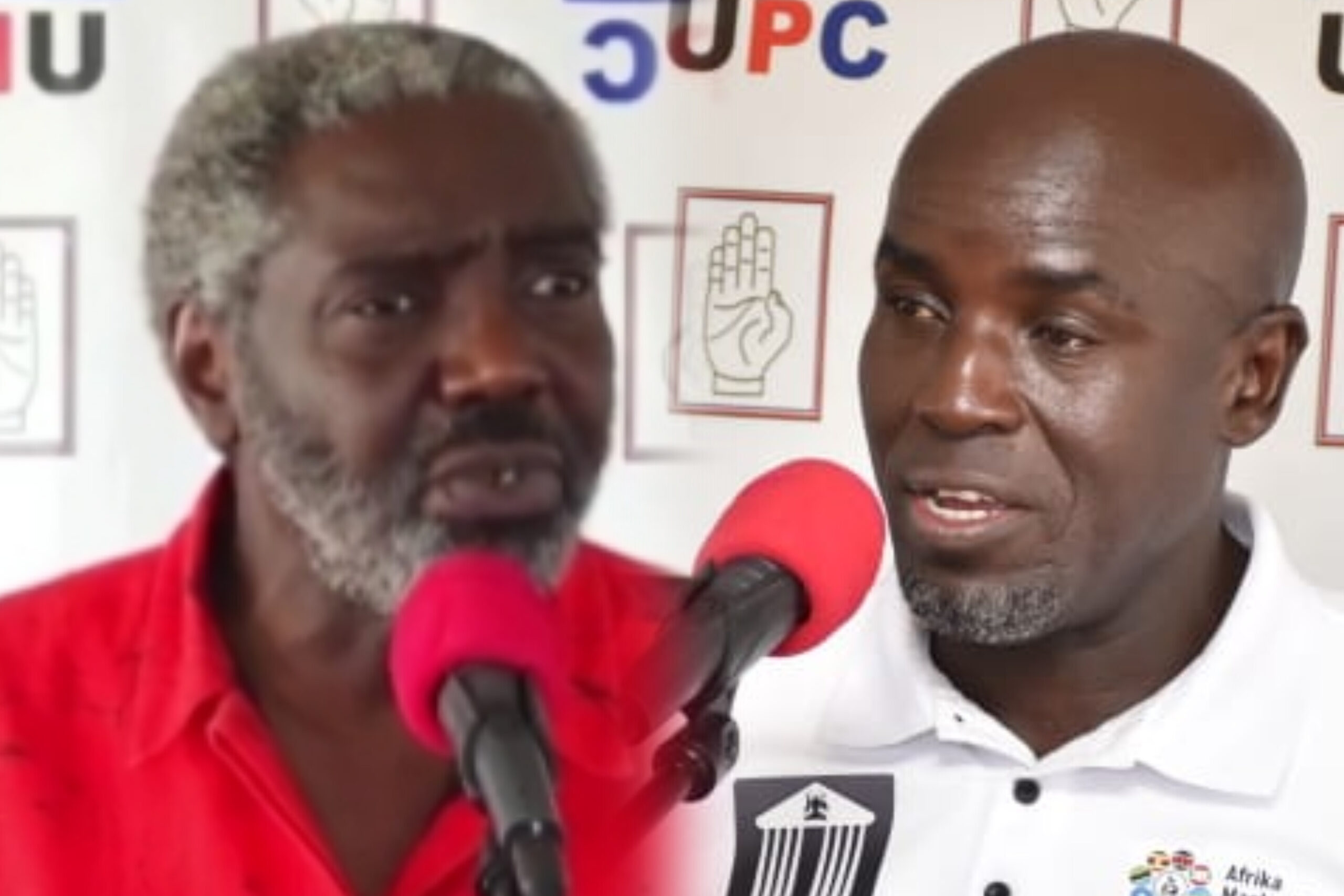
Jimmy James Akena Obote, the president of the Federation of Motorsport Clubs of Uganda (FMU), said governments were paying lip service to integration while citizens and traders continued to face unnecessary delays at border crossings.
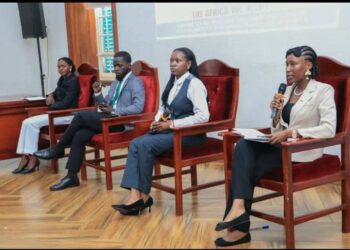
Speaking at Uganda House in Kampala on Wednesday, November 5, 2026, Akena said the free movement of people and goods was essential for building a functional East African federation.
“There’s a difference between saying and doing the right things. Right now, at every border post, you find unnecessary delays for people, communities and goods,” he said.
Akena challenged governments to improve road infrastructure and communication networks to facilitate trade beyond traditional routes, including expanding Uganda’s access to markets in Zambia and other countries.
He also called for greater investment in Kiswahili as a common regional language, but questioned Uganda’s preparedness to participate in deeper integration, citing concerns about school dropout rates.
“If more than half of our students are not reaching PLE, what are we doing to prepare the young Ugandan child to be part of that integration?” he asked.
 Dr Kisembo Ronex Tendo, a Ugandan Pan-Africanist and Group CEO of Afrika Mashariki Fest, also criticised the slow progress of regional integration, 26 years after the EAC was revived.
He said the first EAC, established in 1967 by Uganda’s Milton Obote, Tanzania’s Julius Nyerere and Kenya’s Jomo Kenyatta, achieved significant milestones within 10 years, including a common currency and regional airline.
Tendo questioned why the revived community had failed to establish a single currency despite the monetary union roadmap.
He attributed the slow progress to protectionism, non-tariff barriers and mistrust among regional leaders.
Tendo was speaking after the third edition of an ideological pilgrimage in which motorcyclists visited the ancestral homes of East Africa’s founding leaders and independence heroes, including Kenneth Kaunda in Lusaka, Zambia.
He said the initiative, which began in 2024 with President Yoweri Museveni’s support, was intended to encourage young people to reflect on the founding leaders’ vision and demand greater accountability from current leaders.
Tendo called on regional governments to translate commitments into practical action, arguing that unity was essential for Africa’s economic and political progress.