









By Ahirirwe Leticia,
NATIONAL
As we head for the 70th Session of the Commission on the Status of Women (CSW70) in New York during this important Women’s Month, we are reminded that the struggle for gender equality cannot be separated from the struggle for climate justice. Women’s Month is a time to celebrate progress, but also to confront the injustices that persist. For many women and girls in Uganda and across the Global South, justice remains out of reach.
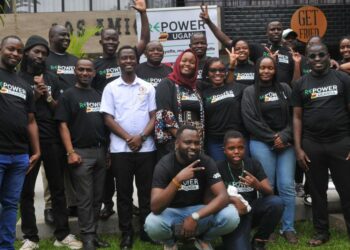
At Women for Green Economy Movement Uganda (WoGEM), we stand in solidarity with women and girls globally under the CSW70 priority theme: “Ensuring and strengthening access to justice for all women and girls, including by promoting inclusive and equitable legal systems and eliminating discriminatory laws, policies, and practices.” This theme could not be more urgent.
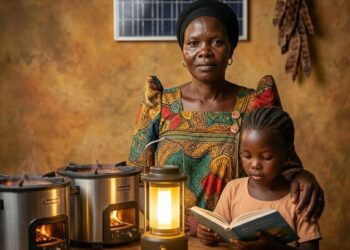
Across Uganda, the intersecting crises of climate change, gender-based violence (GBV), human rights violations, and shrinking civic space are disproportionately affecting women and girls, particularly in rural and marginalized communities. Rising temperatures, erratic rainfall, floods, and prolonged droughts are not abstract statistics, they are daily realities that undermine livelihoods, increase unpaid care work, and deepen poverty. Women walk longer distances for firewood and water, exposing them to sexual violence and domestic abuse. Girls drop out of school due to early pregnancies, forced marriages, and resource scarcity.
Yet, despite contributing the least to global greenhouse gas emissions, women and girls bear the greatest burden of fossil fuel dependence and climate breakdown.
The development of the East African Crude Oil Pipeline (EACOP) illustrates how extractive projects can deepen gender inequality and human rights violations. As the world’s longest heated crude oil pipeline, EACOP cuts across ten districts in Uganda, displacing communities, threatening water sources, and disrupting ecosystems and livelihoods. Women who are primary caregivers and custodians of land for household food production have been largely excluded from consultation and compensation processes. Compensation payments are often directed to male household heads, reinforcing patriarchal control over resources.
Women, youth, and persons with disabilities in oil-affected communities face land dispossession, food insecurity, and increased exposure to GBV.
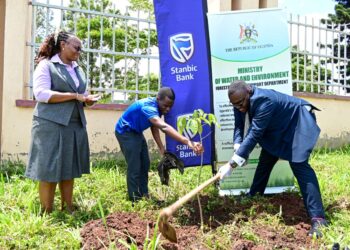
Meanwhile, environmental and women human rights defenders are facing growing intimidation. On 27 March 2025, environmental defender Stephen Kwikiriza was reportedly abducted, highlighting the escalating risks faced by climate activists. On 2 April 2025, students who peacefully marched to deliver a memorandum to Stanbic Bank Uganda condemning its financial support for EACOP were arrested, despite exercising their constitutional right to peaceful assembly.
Access to justice remains severely limited. Women human rights defenders are threatened or arrested for peaceful protest. Communities lack legal awareness and financial resources to challenge violations. Discriminatory land and inheritance systems, weak accountability mechanisms, and patriarchal norms continue to deny women equal control over land, energy, and economic opportunities, even though the 1995 Constitution of Uganda guarantees equality.
The mental health toll is immense. Prolonged detention of students and activists, intimidation, and economic insecurity have caused trauma and emotional distress. Women in oil-affected communities carry the compounded burden of unpaid care work, caregiving, and emotional labor, often while facing domestic violence for inquiring about compensation or land rights.
As we mark Women’s Month and prepare for CSW70, we must be clear: climate action without gender justice is neither just nor sustainable.
We therefore call on Member States, financial institutions, and global leaders to:
Strengthen access to justice for women and girls by protecting civic space and ending the criminalization of climate activism.
Immediately halt financing and development of new fossil fuel projects, including EACOP, and redirect investments toward community-centered renewable energy and green economic alternatives.
Ensure women’s full and meaningful participation in all climate, land, and compensation decision-making processes.
Prioritize intergenerational wellbeing, including psychosocial support and safe spaces for women human rights defenders and affected communities.
Increase public awareness and enforcement of women’s environmental and land rights, challenging patriarchal norms that exclude women from ownership and leadership.
Investing in renewable energy, climate-smart agriculture, tourism, and other green economic pathways offers not only climate resilience but also an opportunity to reduce unpaid care work and advance women’s economic empowerment.
At CSW70, we reaffirm that access to justice must extend beyond courtrooms. It must mean secure land rights, safe civic space, clean energy, protection from violence, and equal participation in shaping our collective future.
This Women’s Month, let us move beyond symbolic commitments. Let us build a world where women and girls are not on the frontlines of crisis, but at the center of power, policy, and progress.