











By Doreen Asasira, Environmentalist
Uganda’s wetlands once the country’s silent guardians against floods and climate shocks are disappearing at an alarming rate, leaving communities increasingly vulnerable to destructive floodwaters. The Auditor General’s Annual Report (2025) paints a stark picture: degraded wetlands now account for 6.3 percent of Uganda’s total land area, undermining the nation’s environmental resilience and exposing millions to climate risks.
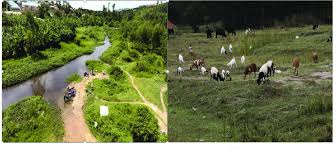
Wetlands cover approximately 33,762.6 square kilometers nationwide, but encroachment is accelerating. Apartment blocks, hotels, sand mining, washing bays, and large-scale farming are steadily consuming fragile ecosystems. Rice cultivation, sugarcane expansion, and livestock grazing have pushed deep into wetland zones, stripping away their natural flood-buffering capacity.
The consequences are already visible. Kampala and surrounding districts have faced flash floods, submerged roads, and damaged homes as stormwater overwhelms drainage systems. Wetlands normally act as sponges, absorbing excess rainfall and releasing it gradually. Once drained or paved over, rainwater rushes unchecked into settlements, triggering disasters.
Government efforts to protect wetlands have fallen short of the 4,150 square kilometers planned for demarcation, only 739.34 square kilometers (18%) were completed.
NEMA issued 319 restoration orders in 2024/25, but less than half were implemented.
Funding remains inadequate: the Ministry of Water and Environment received just UGX 660 million, far below the UGX 6 billion needed for nationwide demarcation.
Enforcement capacity is stretched thin, with only 45 environmental police officers tasked to safeguard over 8,600 gazetted wetlands across 146 districts and 11 cities.
Sedimentation, algal blooms, and polluted waterways are worsening flood impacts. Rural communities face declining fish stocks, reduced agricultural productivity, and contaminated water sources. Urban residents endure repeated flood damage, infrastructure breakdowns, and economic losses.
Uganda’s wetlands are more than ecological assets they are national infrastructure vital for climate resilience, food security, and sustainable development. The Auditor General’s findings are a wake-up call: without urgent investment in restoration, stronger enforcement of environmental laws, and public awareness campaigns, Uganda risks losing its natural water lifelines.
Wetlands are vanishing and floodwaters are rising. Protecting these ecosystems is no longer optional it is essential for Uganda’s survival and future prosperity.