









By Shallon Ainembabazi,
CLIMATE
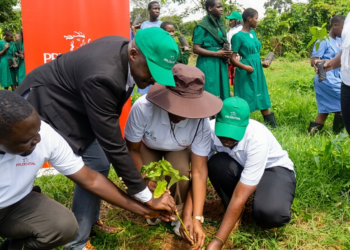
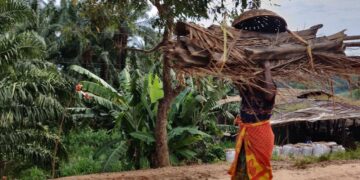
Across the world, women are standing on the frontlines of the climate crisis. They are protecting forests, defending rivers, organizing communities, and challenging destructive projects that threaten land and livelihoods. Yet behind their courage lies a silent burden marked by intimidation, Gender Based violence, emotional strain, and a lack of recognition.
Women environmental defenders are often the first to raise the alarm when ecosystems are under threat from opposing destructive mining projects to mobilizing communities around sustainable waste management and land protection their activism safeguards both people and the planet however, this work comes at a heavy cost.
Globally, violence against environmental defenders has reached alarming levels. Between 2012 and 2022, nearly 22000 environmental defenders were killed for protecting land and natural resources. Among them are women whose stories rarely make headlines. Studies analysing environmental conflicts worldwide have documented at least 261 cases recorded involving women environmental defenders with 81% women assassinated because of their environmental advocacy.
These numbers only tell part of the story but violence against women defenders is often underreported and many attacks never appear in official statistics. For many women, the threats go beyond physical harm.
Gender-based harassment, smear campaigns, online abuse, and legal intimidation are frequently used to silence their voices. In recent studies, researchers documented more than 1,500 online attacks every month against women environmental defenders across just five countries highlighting how digital spaces have become another battleground for activism.
Women also experience a different kind of violence one that is deeply rooted in gender discrimination. While men may face attacks linked to their activism women defenders often endure sexualized harassment, threats targeting their families, and social stigma meant to discredit them.
In some regions, the scale of the attacks is staggering. In parts of Central America alone, researchers documented 1,698 acts of violence against women environmental defenders between 2016 and 2019, including displacement, criminalization, and targeted intimidation.
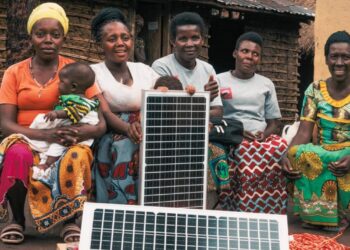
Despite these risks, women continue to lead environmental struggles across the globe. In many communities, they are not only activists but also farmers, caregivers, and community leaders. They carry the emotional burden of protecting their families while confronting powerful political and economic interests.
Yet the silent burden does not end with threats and violence. Women on the climate frontlines often face burnout, trauma, and isolation. The stress of defending their communities while navigating intimidation can take a serious toll on their mental and emotional well-being. Unfortunately, conversations about climate activism rarely acknowledge this hidden cost.
The world cannot afford to overlook the women defending our environment. Their courage sustains movements for climate justice, biodiversity protection, and sustainable livelihoods. When women defenders are silenced, communities lose critical voices advocating for environmental protection.
Protecting women environmental defenders must therefore become a global priority. Governments must strengthen legal protections, ensure accountability for attacks and safeguard civic space for environmental activism. Civil society and international institutions must also invest in psychosocial support systems that address the emotional toll of frontline activism.
Climate justice is not only about reducing emissions and protecting ecosystems. It is also about protecting the people who risk their lives to defend the earth. Women on the climate frontlines are not only fighting for the environment. They are fighting for the future of their communities and the survival of our planet. Recognizing their struggles, amplifying their voices, and ensuring their safety is not optional it is essential.
When women defenders carry the burden alone, the entire world loses.
#IWD2026 #GIVETOGAIN
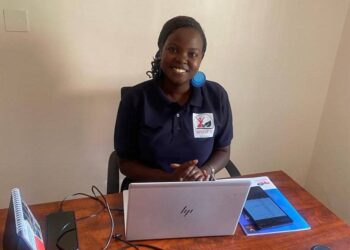
The writer is a Programs officer at Women for Green Economy Movement (WOGEM) Uganda.